 Whatsapp

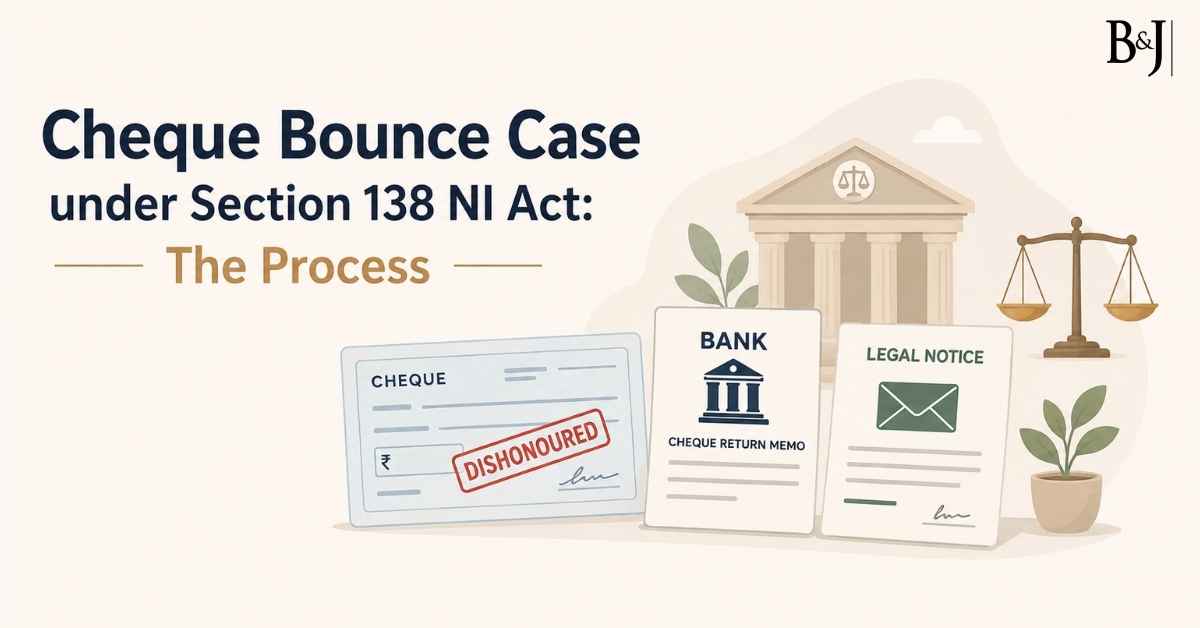
Cheque Bounce Case under Section 138 NI Act: The Process
A cheque bounce under Section 138 of the Negotiable Instruments Act, 1881 can result in criminal proceedings when a cheque is dishonoured due to insufficient funds or because it ex
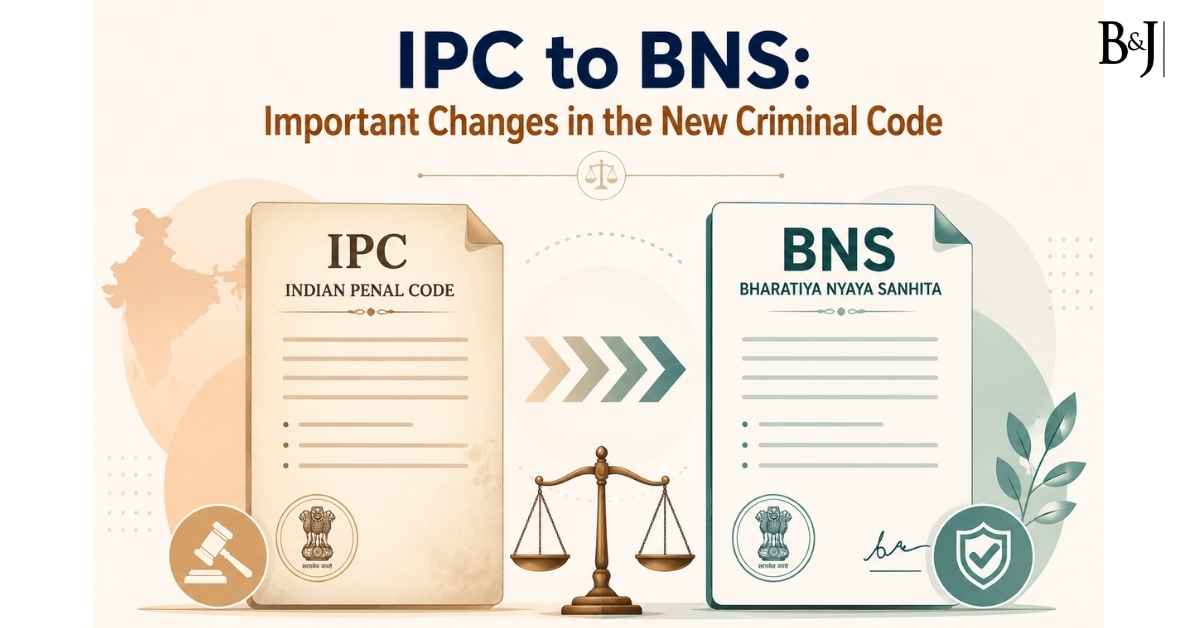
IPC to BNS: Important Changes in the New Criminal Code
The Indian Penal Code, 1860 (IPC) governed substantive criminal law in India for more than 160 years before being replaced by the Bharatiya Nyaya Sanhita, 2023 (BNS) on 1 July 2024
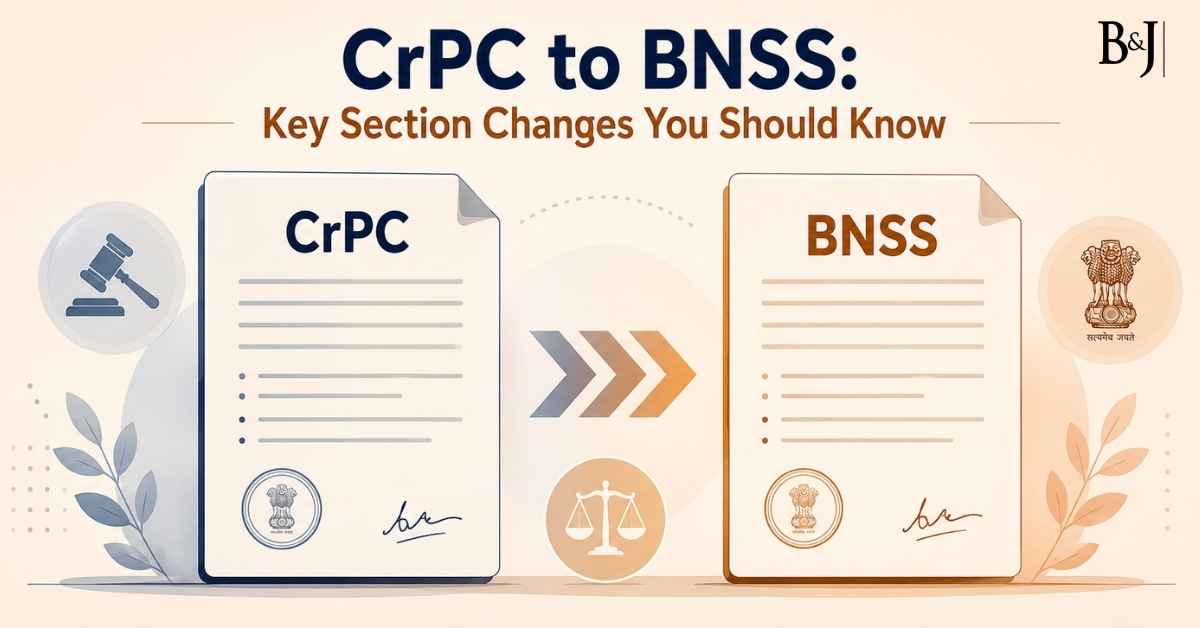
CrPC to BNSS: Key Section Changes You Should Know
The CrPC to BNSS section numbers have changed significantly. The Code of Criminal Procedure, 1973 contained 484 sections, while the Bharatiya Nagarik Suraksha Sanhita, 2023 (BNSS)
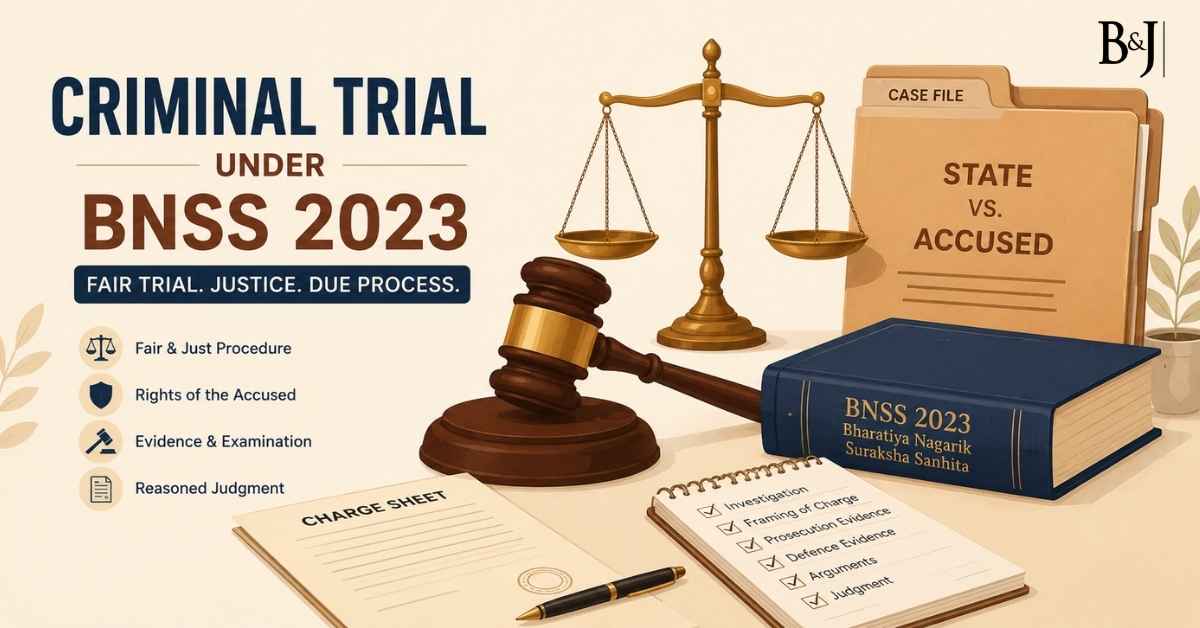
Stages of a Criminal Trial under BNSS 2023
On 1 July 2024, the Bharatiya Nagarik Suraksha Sanhita, 2023 (BNSS) replaced the Code of Criminal Procedure, 1973 (CrPC) as India’s primary criminal procedure law. While the basi
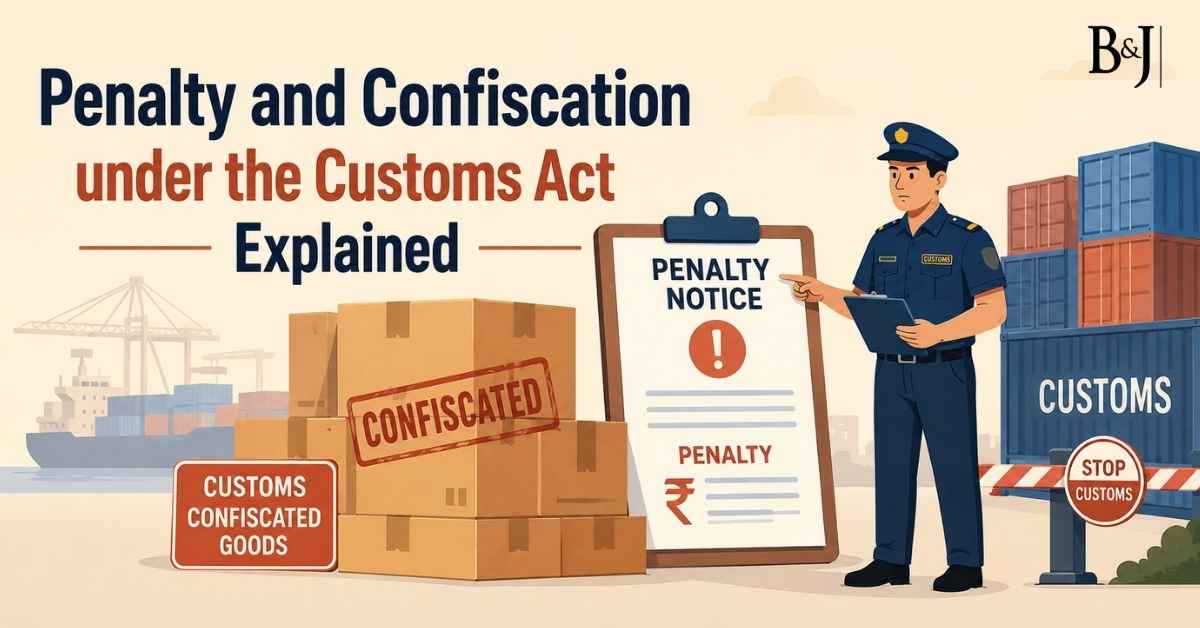
Penalty and Confiscation under the Customs Act Explained
Customs law violations can lead to two different consequences: confiscation of goods and penalty on persons. While confiscation operates against the goods, a penalty is imposed on
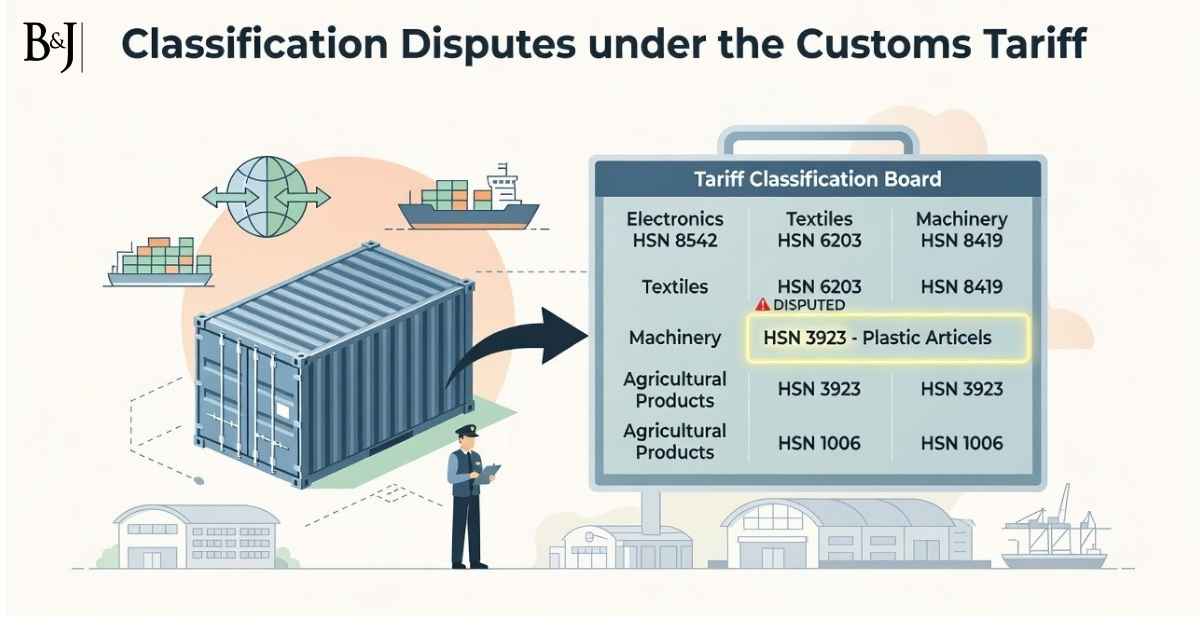
Classification Disputes under the Customs Tariff
Classification under the Customs Tariff Act, 1975 determines the applicable customs duty, exemptions, import licence requirements and other regulatory measures. A change in the HSN
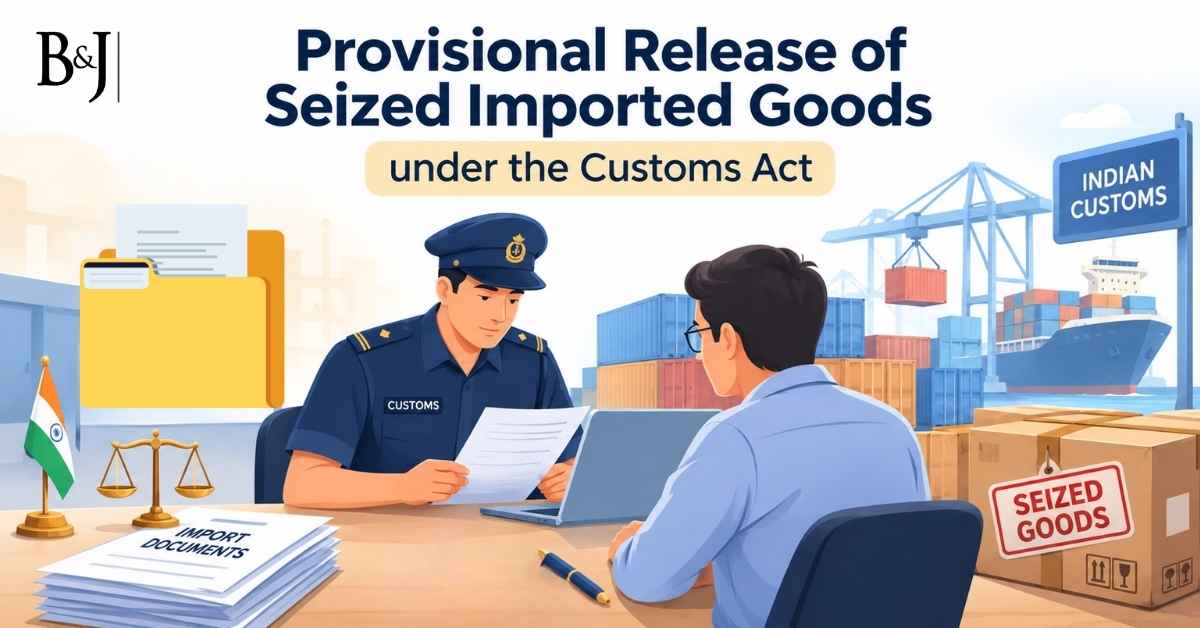
Provisional Release of Seized Imported Goods under the Customs Act
When Customs seizes an imported consignment, a prolonged hold can cause serious commercial losses. Demurrage and detention charges may continue to accrue, warehouse space remains o
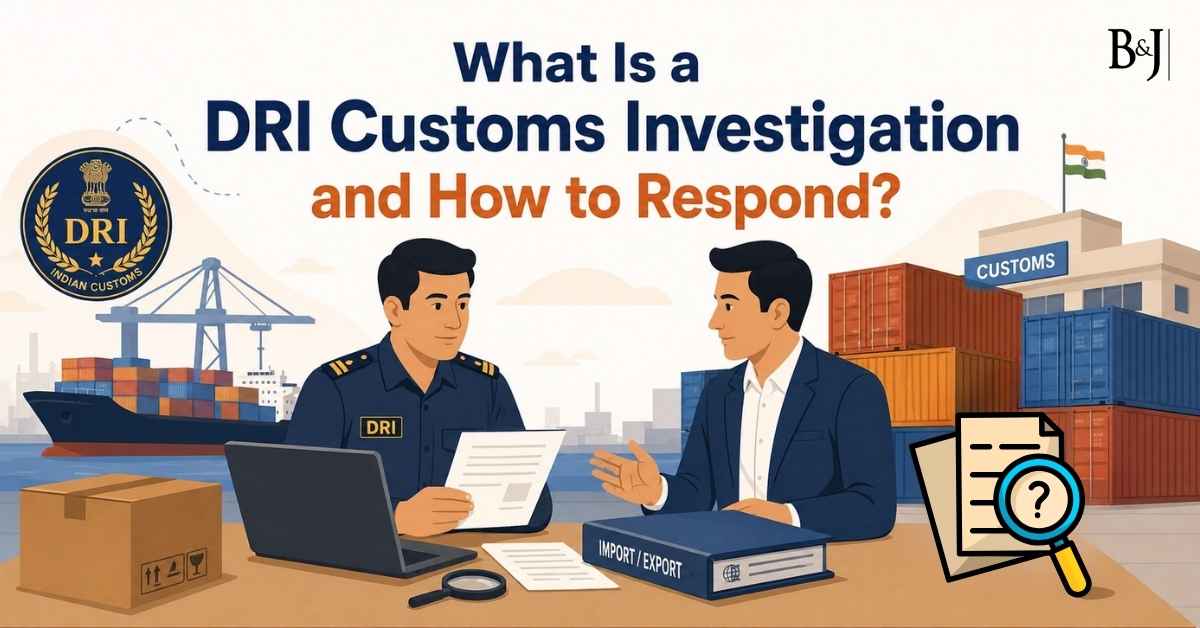
What Is a DRI Customs Investigation and How to Respond?
The Directorate of Revenue Intelligence (DRI) is India’s principal agency for investigating customs fraud, smuggling, and violations of customs law. A DRI customs investigation i
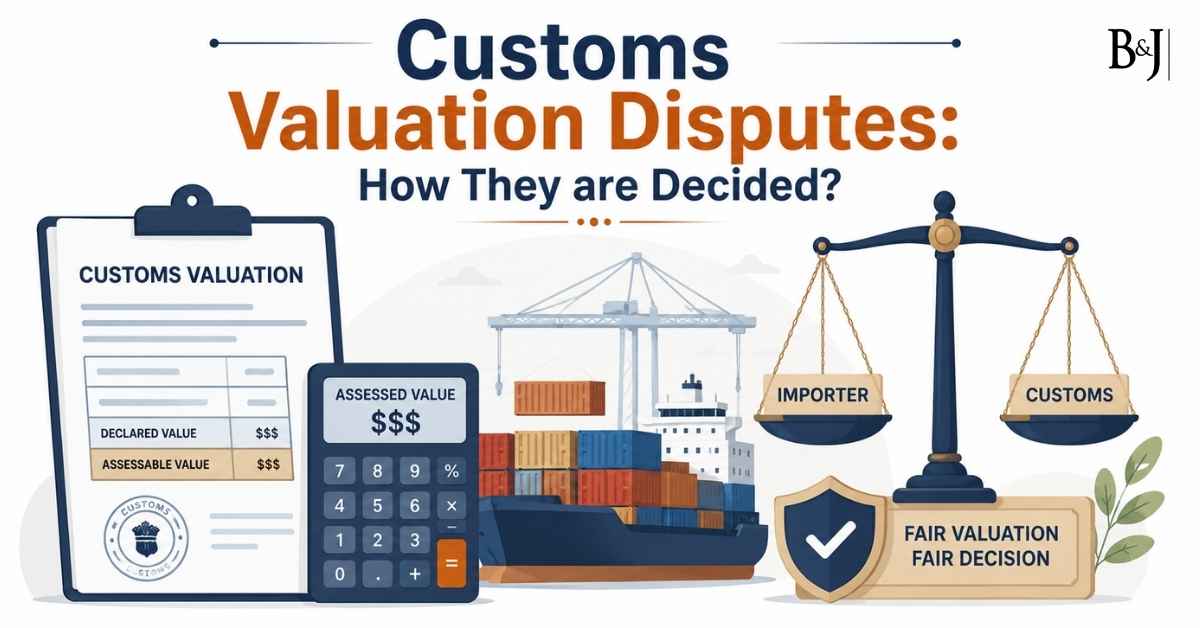
Customs Valuation Disputes: How They are Decided?
Customs valuation is one of the most frequently disputed issues in customs law and import transactions. Since customs duty is generally calculated on the assessable value of import
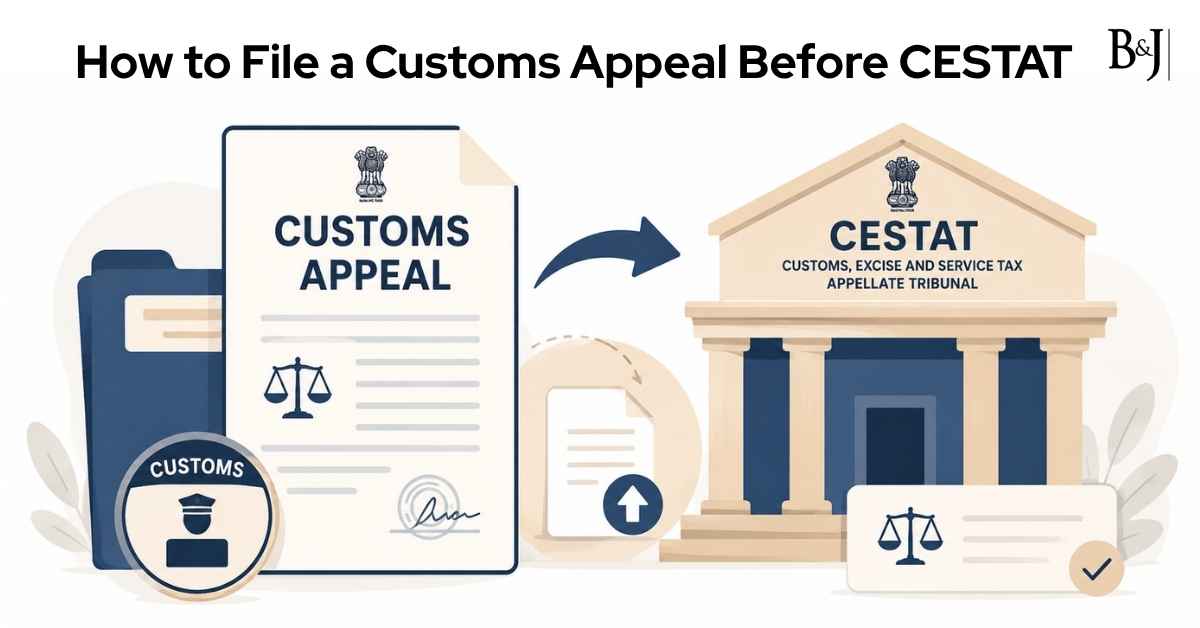
How to File a Customs Appeal Before CESTAT
The Customs, Excise and Service Tax Appellate Tribunal (CESTAT) is the main appellate forum for customs appeals in India. It deals with disputes involving valuation, classification
