 Whatsapp

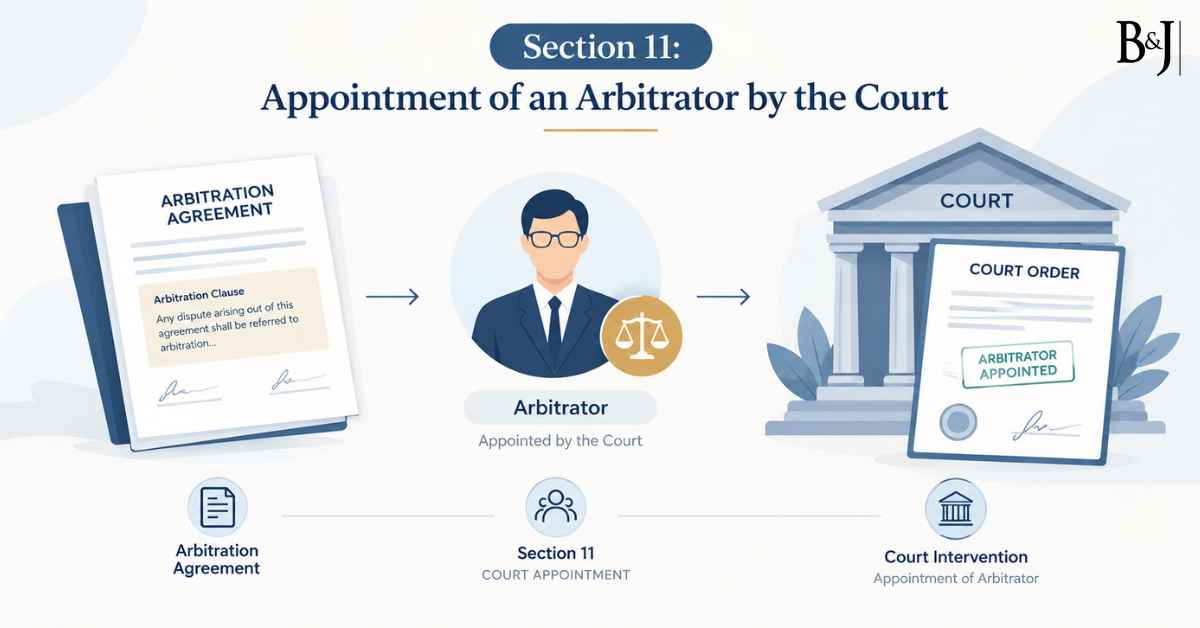
Section 11: Appointment of an Arbitrator by the Court
An arbitration agreement is only effective when it leads to a properly constituted arbitral tribunal. Where the agreed procedure for appointment of an arbitrator fails because a pa
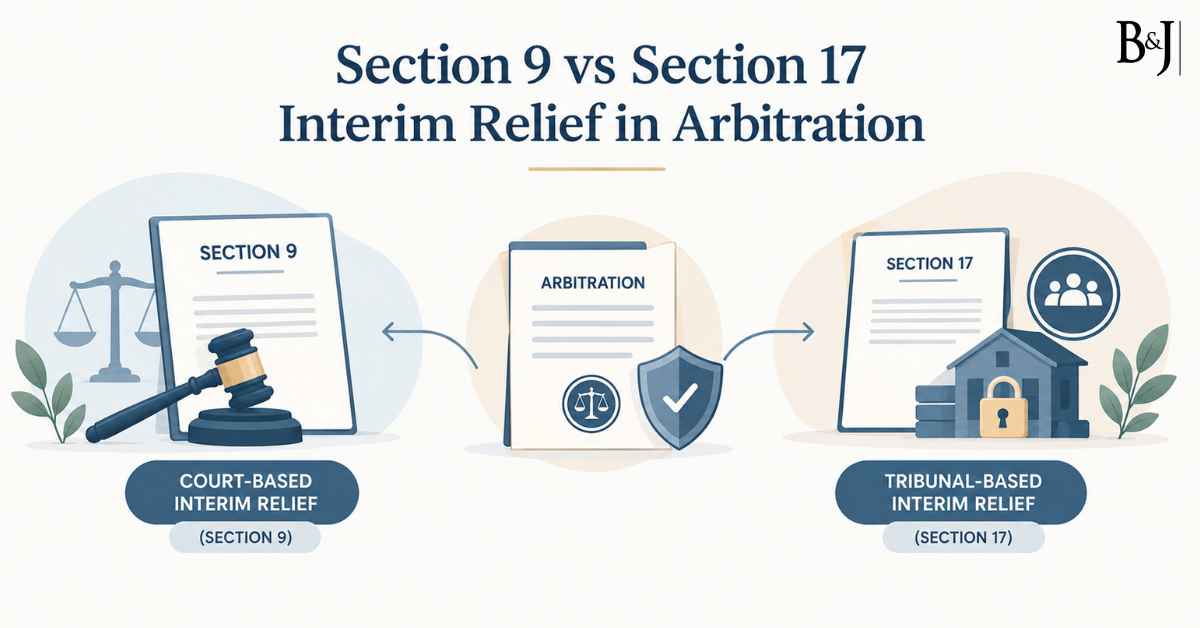
Section 9 vs Section 17 Interim Relief in Arbitration
Arbitration can take time, and during that period, assets may be dissipated, goods disposed of, bank guarantees encashed, or property transferred. Understanding Section 9 vs Sectio
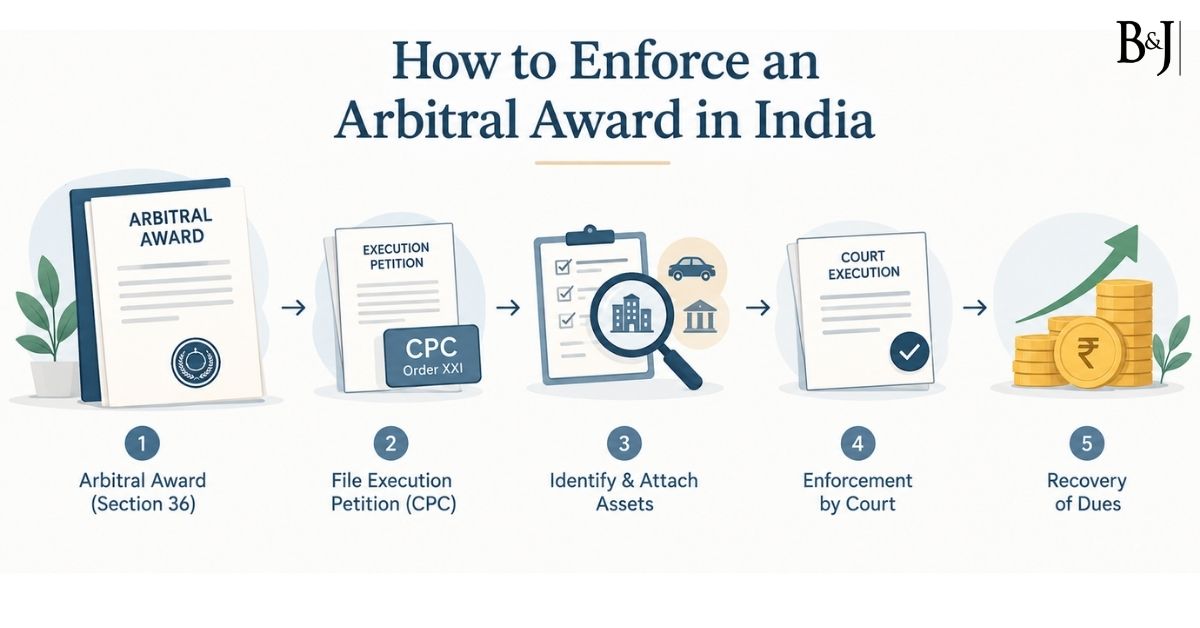
How to Enforce an Arbitral Award in India
An arbitral award that cannot be enforced is a document, not a remedy. The Arbitration and Conciliation Act, 1996 makes the enforcement of an arbitral award comparatively straightf
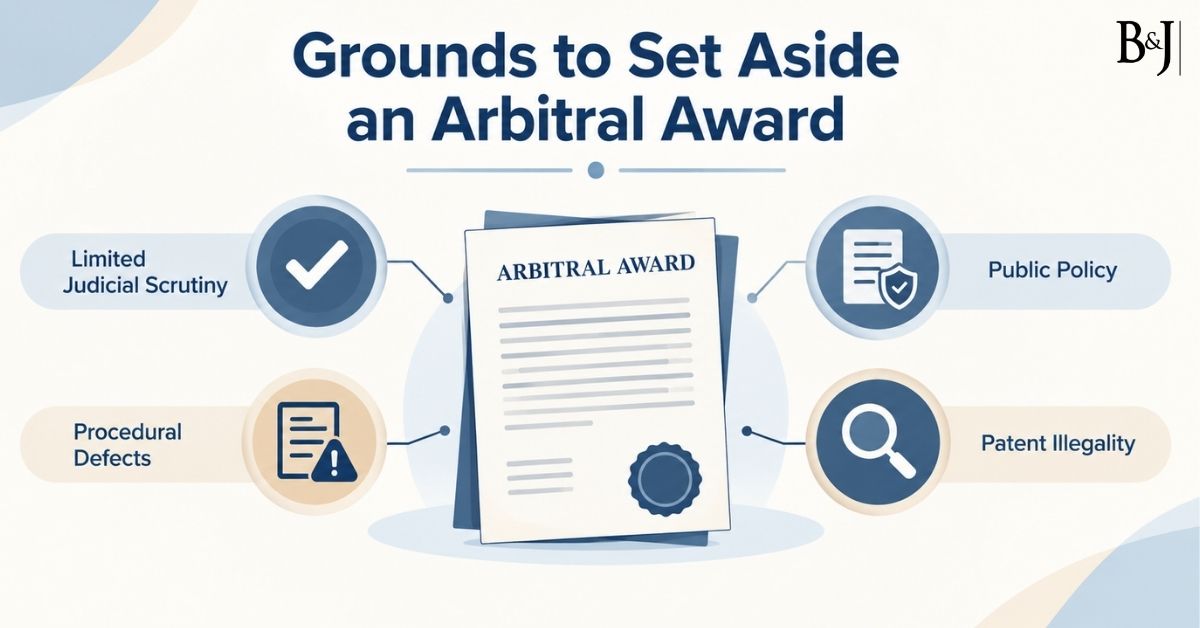
Grounds to Set Aside an Arbitral Award
Parties choose arbitration for finality. The Arbitration and Conciliation Act, 1996 gives effect to that choice by keeping the grounds to set aside an arbitral award narrow and exc
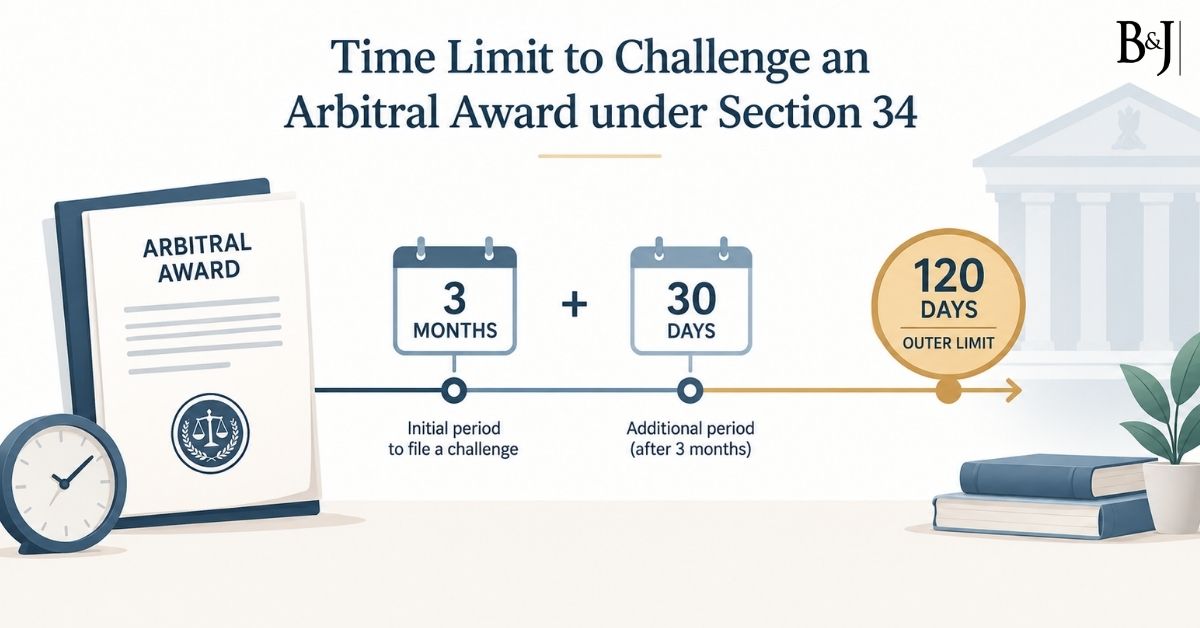
Time Limit to Challenge an Arbitral Award under Section 34
The time limit to challenge an arbitral award under Section 34 of the Arbitration and Conciliation Act, 1996 is one of the strictest in Indian law. It is short, computed from an ev
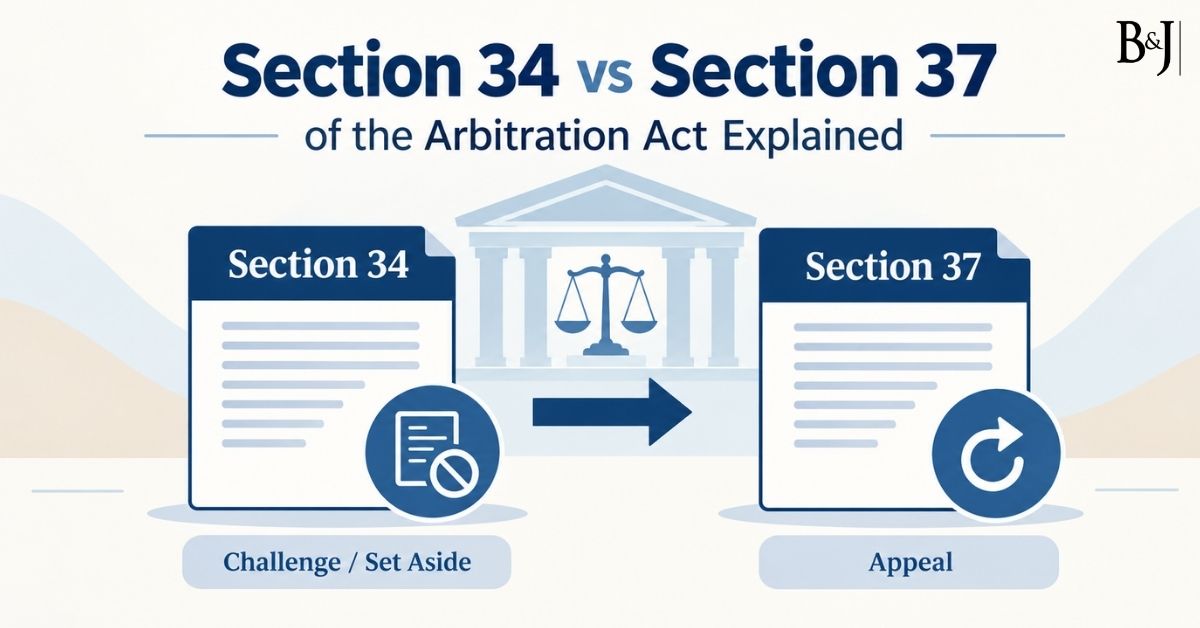
Section 34 vs Section 37 of the Arbitration Act Explained
An arbitral award is not a court decree, and the challenge to an arbitral award in India is governed by limited statutory grounds. Under the Arbitration and Conciliation Act, 1996,
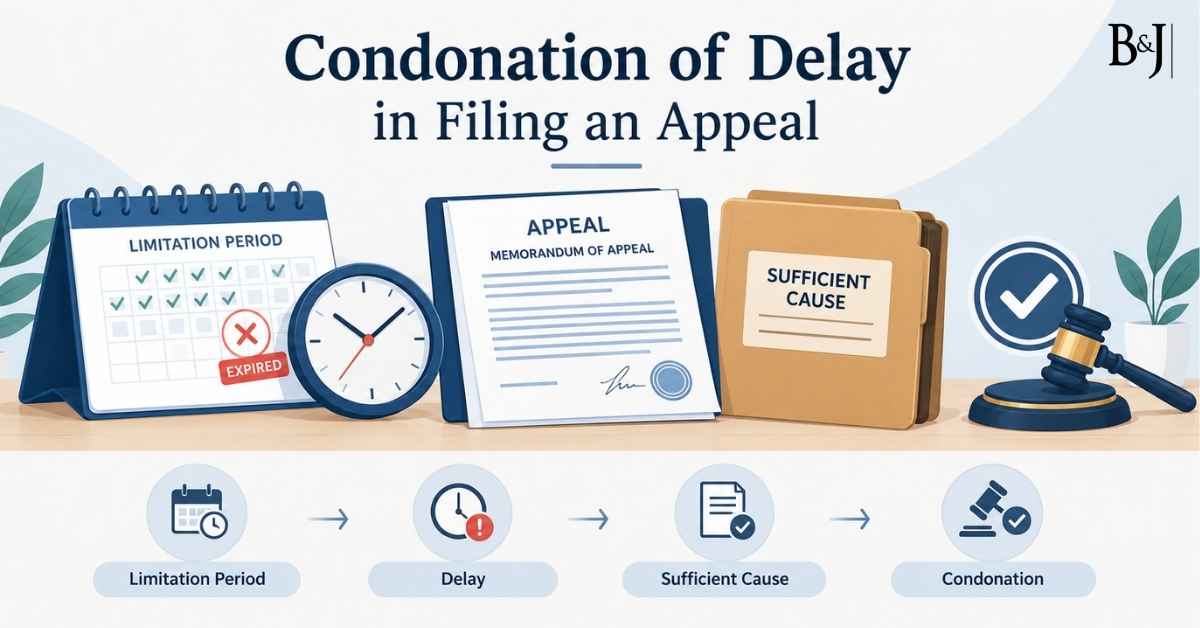
Condonation of Delay in Filing an Appeal
An appeal filed after the limitation period is not automatically barred, but it cannot be admitted as a matter of right. Condonation of delay in filing an appeal requires the appel
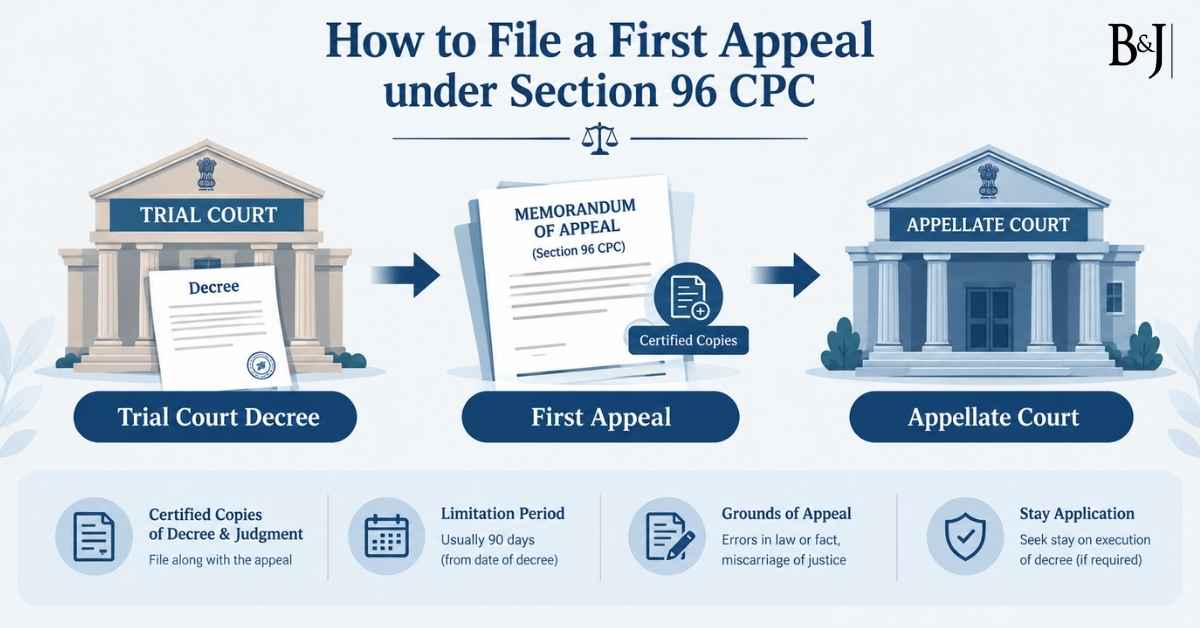
How to File a First Appeal under Section 96 CPC
A first appeal under Section 96 of CPC is the principal appellate remedy in civil litigation. It allows the appellate court to reconsider both the facts and the law involved in the
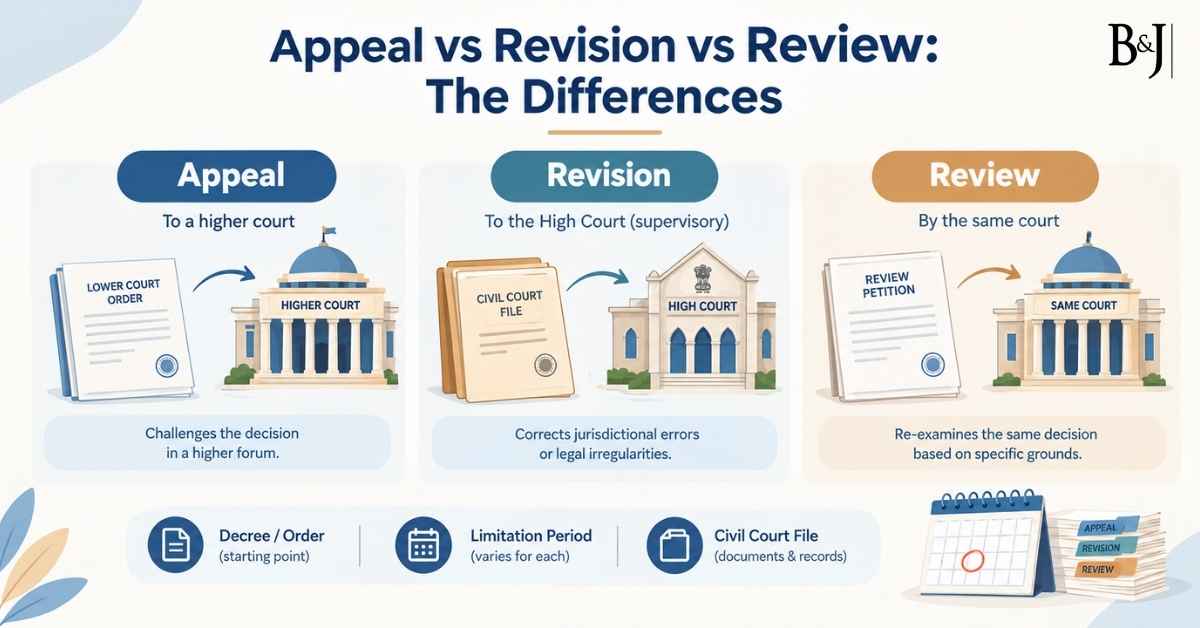
Appeal vs Revision vs Review: The Differences
Three remedies are commonly available against an adverse civil decision: appeal, review, and revision. They are often confused, but each differs in the court that hears it, the gro
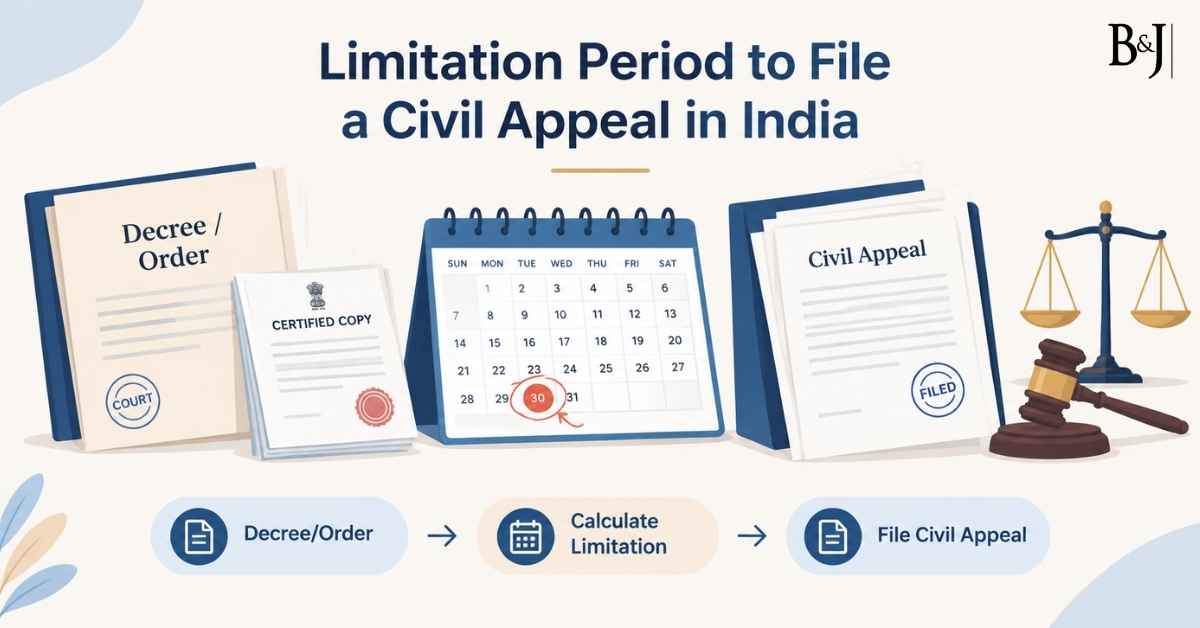
Limitation Period to File a Civil Appeal in India
An appeal filed even one day late may be barred unless the delay is properly explained and condoned. The limitation period for filing a civil appeal is governed by the Limitation A
