





SEBI Lawyer India | SAT Appeals, PFUTP, Insider Trading

SEBI is the regulator for the securities market in India. The main objective of SEBI is to protect the interests of investors in securities and to promote the development of the securities market. SEBI was established in 1988 and was given statutory powers in 1992 through the SEBI Act.

As a responsible citizen, it is our duty to protect the environment and preserve it for future generations. However, in today’s fast-paced world, environmental issues have become a global concern, and therefore, it is important to have a thorough understanding of the various laws and regulations that govern the environmental sector in India. At Bhatt & Joshi Associates, the best law firm in Gujarat, Ahmedabad for Environmental Law services, our team of experienced Environmental Lawyers provides expert litigation support to our clients at the NGT – National Green Tribunal, Gujarat High Court, and Supreme Court of India.

Functions of SEBI:

Constitution of SEBI:

SEBI is a statutory body and is governed by the Securities and Exchange Board of India Act, 1992. The SEBI Board is responsible for the administration of SEBI and is composed of a Chairman and eight other members, all of whom are appointed by the government.

Background of SEBI Act:

Before SEBI was established, the securities market in India was largely unregulated, with only a few basic regulations in place. In the late 1980s, there were a series of scams and controversies in the securities market, which led to calls for a stronger regulatory framework. The government then established SEBI in 1988 as an independent regulatory body for the securities market.

Role of SEBI in promoting investor protection

SEBI has played a significant role in promoting investor protection in the securities market. SEBI has introduced a number of regulations to protect the interests of investors, such as regulations on insider trading, takeovers, and disclosures.

Jurisdiction of SEBI

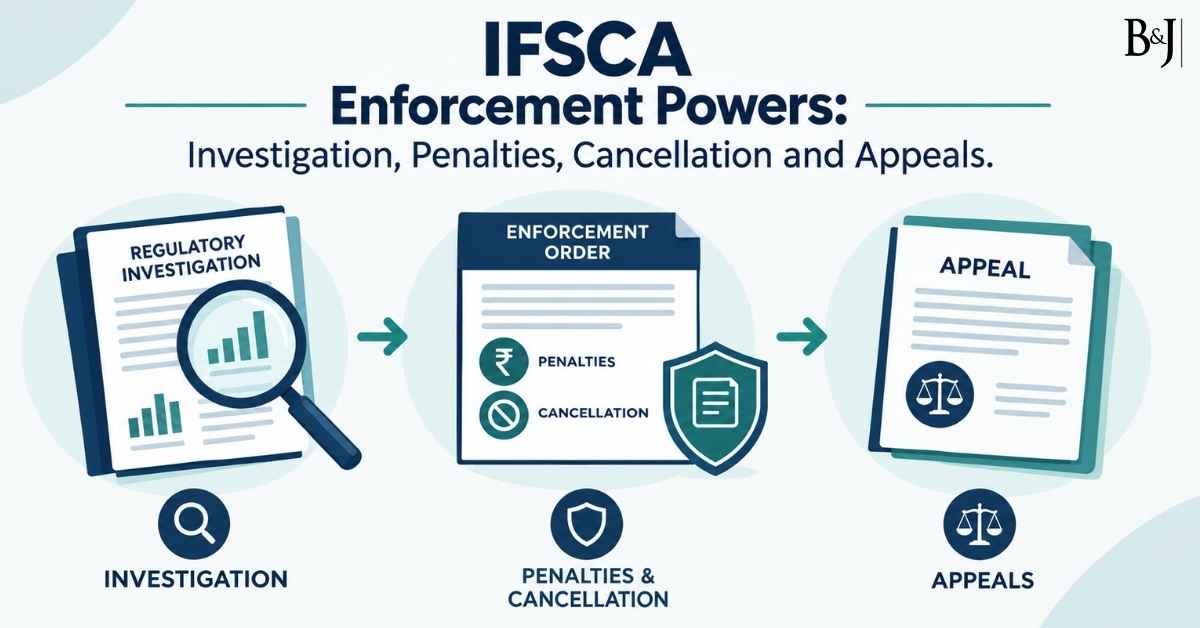
SEBI has wide powers to regulate and supervise the securities market in India. SEBI has the power to investigate and impose penalties for securities-related offences, and to initiate legal proceedings against offenders. SEBI also has the power to suspend or cancel the registration of intermediaries in the securities market.

Latest and landmark judgments on SEBI Act

There have been several landmark judgments on the SEBI Act in recent years. In 2018, the SEBI ordered a forensic audit of a company accused of fraudulent practices. In 2019, the SEBI ordered the freezing of the assets of a number of individuals accused of insider trading.

Litigation support services for SEBI-related matters

Bhatt & Joshi Associates is a leading law firm in Gujarat, Ahmedabad, providing litigation support to clients in SEBI-related matters. Our team of experienced lawyers has expertise in handling a wide range of SEBI-related matters, including regulatory compliance, investigations, and enforcement proceedings. We also provide legal advice and representation in appellate forums under the SEBI Act.

Conclusion

SEBI plays a crucial role in regulating and supervising the securities market in India. SEBI’s main objective is to protect the interests of investors in securities and to promote the development of the securities market. Bhatt & Joshi Associates is a leading law firm in Gujarat, Ahmedabad, providing litigation support to clients in SEBI-related matters. Our team of experienced lawyers has expertise in handling a wide range of SEBI-related matters and provides legal advice and representation in appellate forums under the SEBI Act.

To be yourself in a world that is constantly trying to make you something else is the greatest accomplishment.

Our Publications

Get in touch with Best SEBI Lawyers Gujarat

    Frequently asked questions

    1. Who are the best SEBI lawyers in India?

    Bhatt & Joshi Associates is a leading securities law firm with experienced SEBI lawyers handling SEBI investigations, adjudication proceedings, Show Cause Notices, settlement applications, SAT (Securities Appellate Tribunal) appeals, insider trading defence, PFUTP violations defence, and corporate disclosure compliance. The firm represents listed companies, promoters, intermediaries, and investors. Senior counsel for complex SEBI matters.

    2. What does a SEBI lawyer do?

    SEBI lawyer services: (1) Response to SEBI Show Cause Notices; (2) representation in SEBI adjudication and inquiry proceedings; (3) settlement applications under Section 15JB SEBI Act 1992; (4) SAT appeals under Section 15T against SEBI orders; (5) insider trading defence (PIT Regulations 2015); (6) PFUTP Regulations 2003 defence; (7) listed company disclosure compliance (LODR Regulations 2015); (8) takeover code (SAST Regulations 2011) compliance; (9) Supreme Court SLP. Bhatt & Joshi Associates handles complex securities matters from SCN response through SAT and SC.

    3. How to respond to SEBI Show Cause Notice?

    Response to SEBI SCN: (1) careful analysis of allegations and evidence cited; (2) gathering of supporting documents; (3) drafting comprehensive reply with grounds — typically within 21-30 days; (4) procedural objections if applicable (jurisdictional, limitation, natural justice); (5) substantive defence on merits; (6) suggesting settlement if appropriate; (7) personal hearing preparation. Quality of SCN response is critical — sets foundation for adjudication. Strong SCN replies can lead to settlement or favorable order. Bhatt & Joshi Associates drafts comprehensive SCN responses.

    4. Can SEBI penalty be appealed?

    Yes. SEBI penalties can be appealed to Securities Appellate Tribunal (SAT) under Section 15T SEBI Act 1992 within 45 days. Process: (1) SAT appeal with grounds, evidence; (2) condonation of delay possible on sufficient cause; (3) interim stay applications; (4) hearings; (5) SAT order — confirm, modify, or set aside SEBI order; (6) further appeal to Supreme Court under Section 15Z within 60 days. SAT has wide powers including penalty reduction. Significant penalty reductions common at SAT level. Bhatt & Joshi Associates handles SEBI-to-SAT-to-SC appeal chain.

    5. What is the SEBI settlement scheme?

    SEBI settlement scheme under Section 15JB of SEBI Act 1992 enables consent-based resolution of regulatory violations. Features: (1) application by alleged violator; (2) consideration by Settlement Committee; (3) settlement terms — payment of monetary amount, undertakings, voluntary actions; (4) Settlement Order without admission/denial of allegations; (5) no further proceedings on same facts. Benefits: (1) faster resolution; (2) avoiding adverse adjudication; (3) lower penalty than potential maximum; (4) market continuity. Bhatt & Joshi Associates advises on settlement application strategy and negotiation.

    6. What is insider trading defence?

    Insider trading defence under SEBI (PIT) Regulations 2015: (1) absence of UPSI possession at trade time; (2) trade made before UPSI generation; (3) UPSI was generally available information; (4) Chinese Wall procedures followed; (5) trades pre-cleared by compliance; (6) bonafide need under specific exceptions (trading plans Section 5(2)); (7) Section 6 affirmative defences; (8) absence of mens rea (limited applicability). Burden shifts to accused once basic facts proved. Bhatt & Joshi Associates defends insider trading allegations through SEBI proceedings and SAT appeals.

    7. How long does SEBI investigation take?

    SEBI investigation timelines: (1) initial preliminary inquiry — 2-6 months; (2) detailed investigation — 6-18 months; (3) SCN issuance after investigation; (4) adjudication proceedings — 6-12 months from SCN; (5) total case timeline — 1-3 years from start to final order; (6) appeals add further 1-2 years per level. Cooperation with investigation expedites; non-cooperation prolongs. Recent SEBI initiatives emphasise faster disposal. Bhatt & Joshi Associates manages clients through entire SEBI proceeding lifecycle from investigation to final appeal.