




Aviation

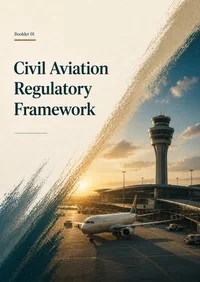
The aviation sector in India has seen a significant growth in recent years, making it one of the fastest-growing aviation markets in the world. The Indian aviation sector has gone through a significant transformation over the past few decades, with the government playing a crucial role in the development of the industry. In this context, Bhatt & Joshi Associates, a leading law firm in India, provides regulatory and litigation support to its prospective clients from the aviation sector.

Regulatory Support:

The aviation sector is heavily regulated, with various government agencies and bodies overseeing its functioning. The Directorate General of Civil Aviation (DGCA) is the primary regulatory body that regulates civil aviation in India. The Ministry of Civil Aviation is responsible for the formulation and implementation of national policies and programs for the development and regulation of the civil aviation sector in the country. The Airports Authority of India (AAI) is responsible for the management, maintenance, and development of civil aviation infrastructure in the country.

At Bhatt & Joshi Associates, our lawyers provide regulatory support to clients from the aviation sector in matters related to obtaining regulatory approvals, licensing, compliance with safety and security regulations, aircraft and crew leasing, and ground handling. Our lawyers assist clients in navigating the complex regulatory framework in the aviation sector in India.

Litigation Support:

The aviation sector is also prone to various disputes and conflicts, which may result in litigation. At Bhatt & Joshi Associates, we provide litigation support to clients from the aviation sector in a range of matters, including:

Accident and Incident Investigations:

Our lawyers assist clients in dealing with investigations conducted by the DGCA and other regulatory bodies in the event of accidents and incidents.

Insurance Claims:

Our lawyers have extensive experience in handling insurance claims arising out of aviation accidents and incidents.
 

Contractual Disputes:

Our lawyers provide legal support in contractual disputes involving aviation industry players, such as airlines, aircraft lessors, and airports.

Tax Disputes:

Our lawyers provide legal support in tax disputes involving aviation industry players, such as airlines and airports.

Legal Framework of Aviation Sector in India:

The Indian aviation sector is governed by a range of laws and regulations, including the Aircraft Act, 1934, the Aircraft Rules, 1937, The Air Corporations Act, 1953, The Air Corporations (Transfer Of Undertakings And Repeal) Act, 1994, and the Civil Aviation Requirements (CARs). The National Civil Aviation Policy, 2016 provides a comprehensive framework for the development of the aviation sector in India. The Indian government has also entered into bilateral air services agreements with various countries, which provide a legal framework for air transport services between India and those countries.

Apart from the above laws, the aviation sector is also governed by various other laws, such as the Consumer Protection Act, 2019, the Foreign Exchange Management Act, 1999, and the Competition Act, 2002. Our lawyers have extensive knowledge and expertise in the legal framework governing the aviation sector and provide comprehensive legal support to our clients.

In conclusion, the aviation sector in India presents significant opportunities for growth, but it is also highly regulated and prone to various disputes and conflicts. At Bhatt & Joshi Associates, we provide regulatory and litigation support to clients from the aviation sector to help them navigate the complex legal framework and achieve their business objectives.

Equal justice under law is not merely a caption on the facade of the Supreme Court building, it is perhaps the most inspiring ideal of our society.

Our Publications

Get in touch with Best Commercial Court Lawyers in Ahmedabad

    Frequently asked questions

    1. When should I consider hiring a civil lawyer?

    You should consider hiring a civil lawyer when facing legal disputes related to contracts, property, personal injury, family matters, or any non-criminal matter where you need legal advice or representation.

    2. What is a civil lawyer?

    A civil lawyer represents clients in non-criminal legal matters, dealing with disputes between individuals, organizations, or both, over rights, responsibilities, and liabilities.

    3. Can a civil lawyer help with contract disputes?

    Yes, one of the primary areas of expertise for many civil lawyers is contract law. They can assist with drafting, reviewing, and disputing the terms of contracts.

    4. How do civil lawyers differ from criminal lawyers?

    While both handle legal disputes, civil lawyers focus on non-criminal cases, often involving private disputes between individuals or organizations. Criminal lawyers, on the other hand, represent individuals or the state in cases involving potential criminal penalties.

    5. How are damages determined in civil cases?

    Damages are determined based on the actual loss suffered, potential future losses, and sometimes, punitive measures. The nature and amount depend on the specifics of the case and jurisdictional guidelines.

    6. What is the usual process of a civil lawsuit?

    The typical process involves the filing of a complaint, response from the other party, discovery (exchange of relevant information), negotiations, potential settlement discussions, and if unresolved, a trial. The exact process can vary by jurisdiction.

    7. Can a civil lawyer assist in mediation or alternative dispute resolution?

    Yes, many civil lawyers are trained in alternative dispute resolution methods like mediation and arbitration, offering solutions outside the traditional courtroom setting.

    8. How long does a typical civil lawsuit last?

    The duration of a civil lawsuit varies based on the case’s complexity, the court’s schedule, and the willingness of parties to settle. It can range from a few months to several years.