






Electronics Lawyer India | PLI, BIS, MeitY Compliance
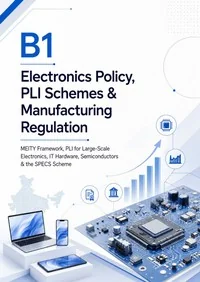
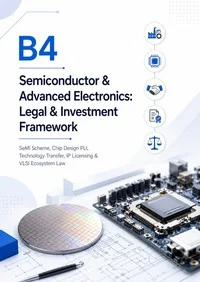
The electronics manufacturing sector in India has been growing rapidly over the past few years. The Government of India’s initiatives such as Make in India, Digital India, and the National Policy on Electronics have played a significant role in promoting the growth of this sector. In this article, we will provide an overview of the electronics manufacturing sector in India and the various laws and regulations governing the sector. We will also introduce Bhatt & Joshi Associates, a leading law firm providing regulatory compliance and litigation services to clients in the electronics manufacturing sector.
Overview of the Electronics Manufacturing Sector in India
The electronics manufacturing sector in India has been growing at a rapid pace, with a focus on mobile devices, consumer electronics, and semiconductors. The sector is expected to reach USD 400 billion by 2025. The Indian electronics market is dominated by mobile devices, which account for more than 50% of the total market share.
The Government of India has launched several initiatives to promote the growth of the electronics manufacturing sector. These initiatives include the Make in India program, the National Policy on Electronics, and the Digital India program. The Make in India program aims to encourage companies to manufacture their products in India, while the National Policy on Electronics aims to make India a hub for electronics manufacturing.
Government Policies and Incentives
The Government of India has launched several policies and incentives to promote the growth of the electronics manufacturing sector. One of the most significant policies is the Production Linked Incentive (PLI) scheme, which was introduced in 2020. The scheme provides incentives to companies that manufacture mobile phones and other electronic components in India. The PLI scheme is expected to attract investment of around USD 1 billion and create job opportunities for more than 200,000 people.
Other government initiatives that aim to boost the electronics manufacturing sector in India include the Modified Special Incentive Package Scheme (M-SIPS) and the Electronics Development Fund (EDF). The M-SIPS provides financial incentives to companies that invest in the manufacturing of electronic products in India, while the EDF aims to promote innovation and research in the electronics sector.
Laws and Regulations Governing Electronics Manufacturing Sector
The electronics manufacturing sector in India is governed by various laws and regulations, which include the Foreign Direct Investment (FDI) policy, the Information Technology Agreement (ITA), and the Export-Import (EXIM) policy. The FDI policy allows 100% FDI in the electronics sector under the automatic route. The ITA allows duty-free imports of certain electronic products, while the EXIM policy regulates the export and import of electronic goods.
Regulatory Compliance and Litigation Services at Bhatt & Joshi Associates for Electronics Manufacturing Sector
Bhatt & Joshi Associates is a leading law firm in India that provides regulatory compliance and litigation services to clients in the electronics manufacturing sector. The firm has a team of experienced lawyers who have in-depth knowledge of the laws and regulations governing the sector.
The firm provides a wide range of services, including regulatory compliance, due diligence, mergers and acquisitions, and dispute resolution. Bhatt & Joshi Associates also assists clients in obtaining necessary licenses and approvals from regulatory authorities.
Conclusion:
In conclusion, the electronics manufacturing sector in India is growing at a rapid pace, and the government’s policies and incentives are expected to further boost its growth. Bhatt & Joshi Associates can assist clients in the electronics manufacturing sector in complying with the various laws and regulations governing the sector. The firm’s experienced lawyers can provide clients with the necessary legal support and guidance to ensure compliance with the regulations and avoid any legal disputes.
Equal justice under law is not merely a caption on the facade of the Supreme Court building, it is perhaps the most inspiring ideal of our society.
Get in touch with Best Commercial Court Lawyers in Ahmedabad
Rejection of Books under Section 145(3) and Best-Judgment Assessment under Section 144: When May the Taxman Set Aside Your Accounts, and What May He Put in Their Place?
Imagine a trader in semi-precious stones who has maintained a cash book, purchase register and sales
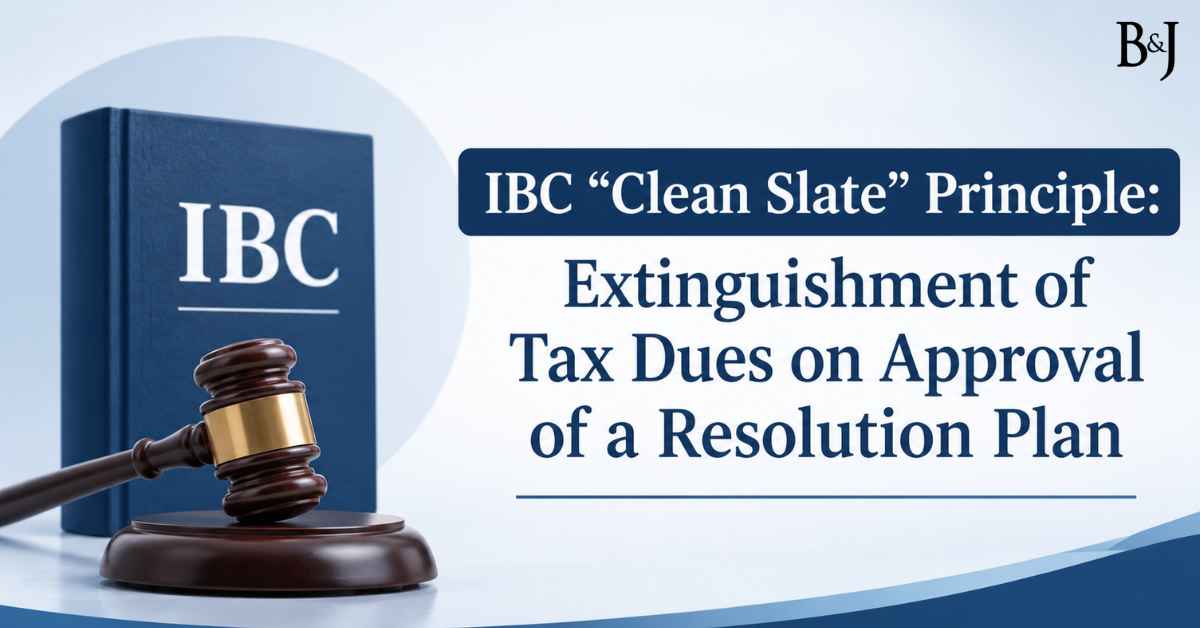
IBC “Clean Slate” Principle: Extinguishment of Tax Dues on Approval of a Resolution Plan
The question goes to the heart of what an insolvency resolution is for. If old, unquantified liabili
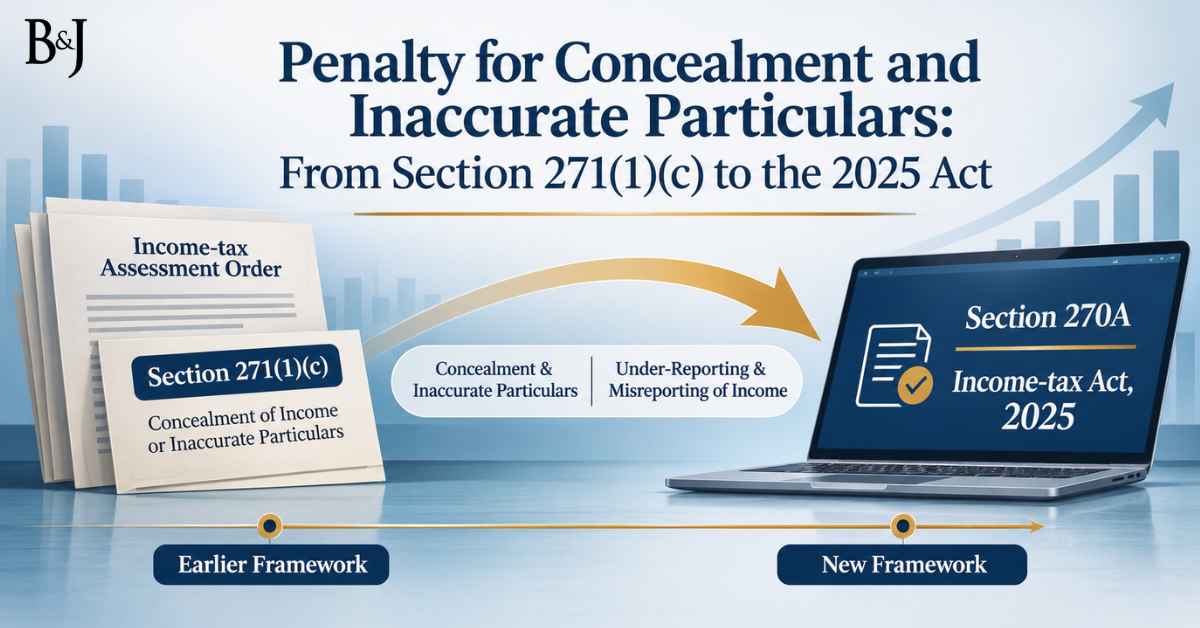
Penalty for Concealment and Inaccurate Particulars: Section 271(1)(c), Section 270A, and the Road to the 2025 Act
A Deduction That Failed, And A Penalty That Followed Consider a manufacturing company that borrows m
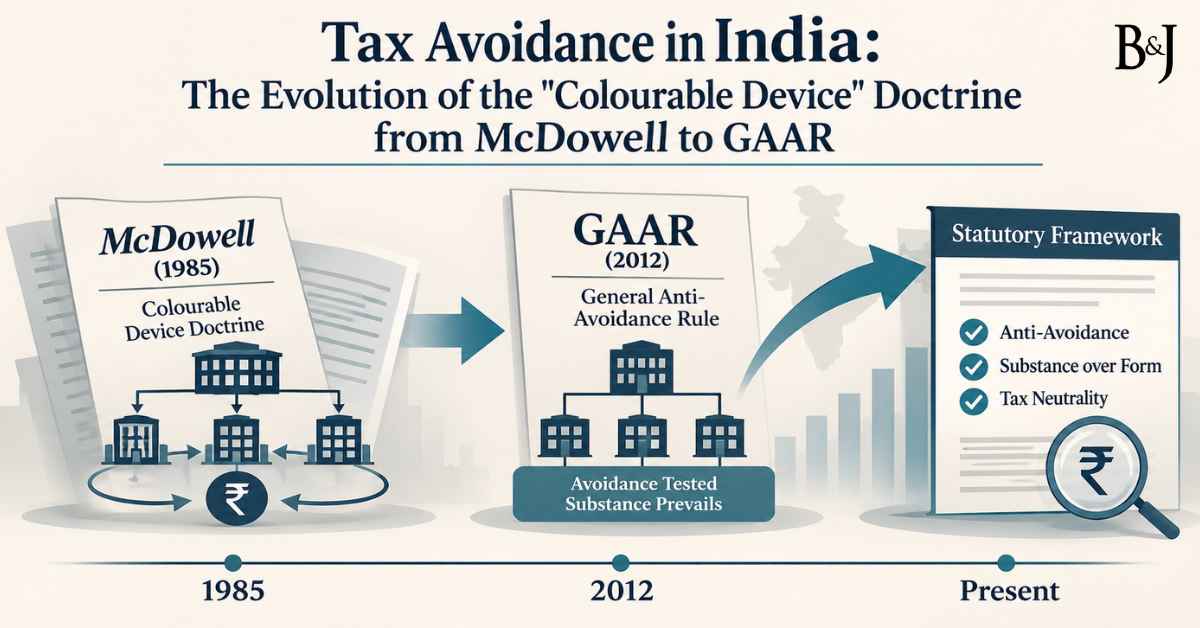
Tax Avoidance in India: The Evolution of the “Colourable Device” Doctrine from McDowell to GAAR
One sentence from a 1985 sales-tax judgment has been cited in Indian tax litigation more often than
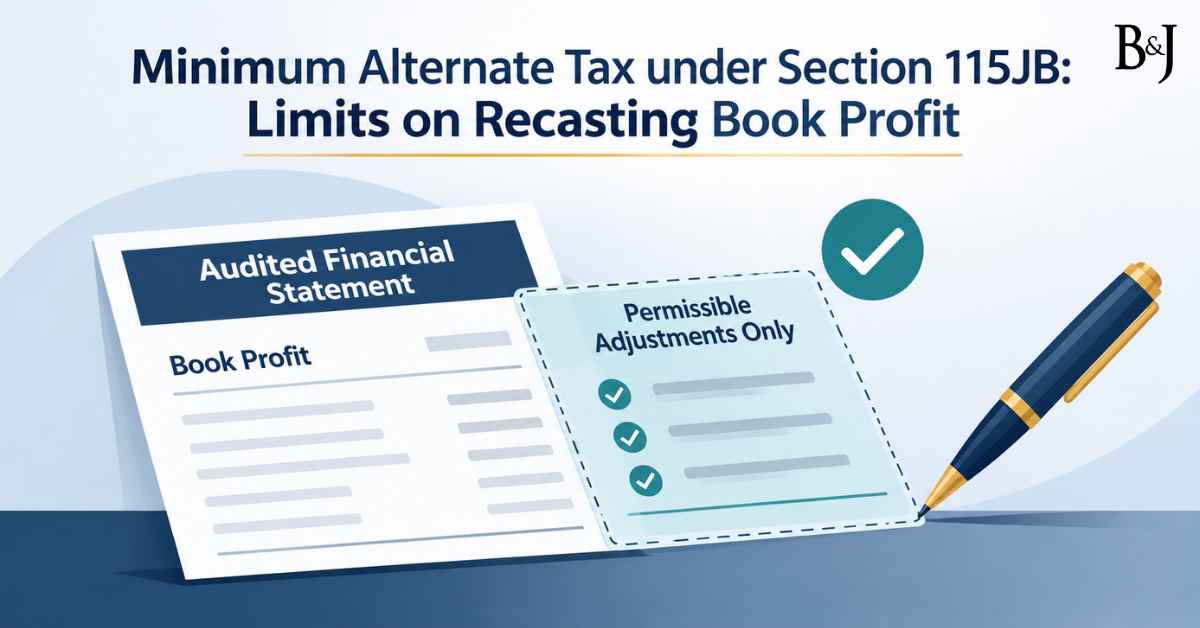
Minimum Alternate Tax under Section 115JB: How Far May the Assessing Officer Recast Book Profit?
An Illustration Imagine a manufacturing company that reports, in its audited accounts, a profit of R

Indexation on Inherited Property and Dissolved Firms: Whose Clock Counts?
Consider two quite different taxpayers. The first is a woman who inherits a plot of land from her fa
Section 43CB of Income Tax Act and ICDS: When Is a Builder’s Income Taxable?
How ICDS, section 43CB and the courts decide when a builder’s income accrues – percentag

Capital Gains on Self-Generated Goodwill: Section 55 and the Machinery Provision
B.C. Srinivasa Setty, PNB Finance and the section 55 machinery: when a self-generated intangible esc

Book Entries and Income Tax: When Accounting Treatment Does Not Decide Tax Liability
A proposition that cuts both ways, an exception where Parliament has reversed it, and the awkward ca

Whatsapp

