 Whatsapp

Default Bail Under Section 187 BNSS: Latest 2026 High Court Rulings
Executive Summary Default bail under Section 187 of the Bharatiya Nagarik Suraksha Sanhita 2023 (BNSS) is one of the most significant procedural safeguards in Indian criminal law,
Criminal Appeals in Gujarat: From Sessions Court to High Court Under Section 415 BNSS
Executive Summary The right of a convicted person to challenge a judgment and sentence before a superior court is among the most fundamental procedural guarantees in any system of
Cheque Bounce (Section 138 NI Act) Defence in Gujarat: Process, Defences & Timeline
Executive Summary The offence of cheque bounce under Section 138 of the Negotiable Instruments Act, 1881 (NI Act) constitutes one of the most frequently litigated categories of cri
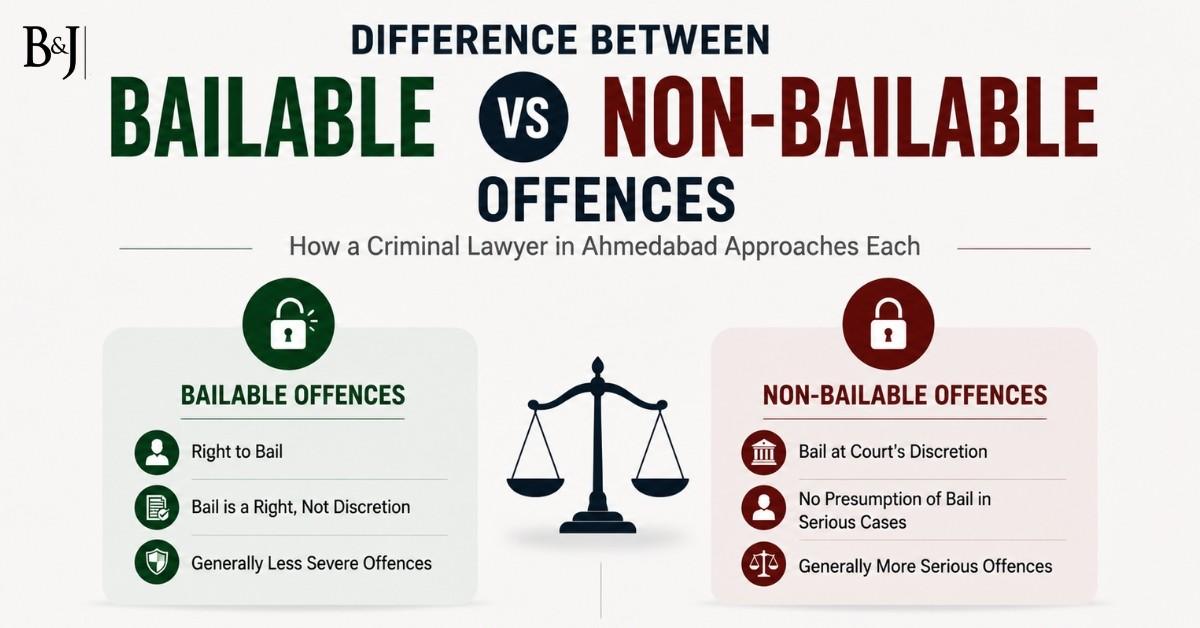
Difference Between Bailable and Non-Bailable Offences: How a Criminal Lawyer in Ahmedabad Approaches Each
Executive Summary For any person who finds themselves entangled in the criminal justice system in India, the classification of the offence with which they are concerned as either b
Anticipatory Bail Before the Gujarat High Court Under Section 482 BNSS: Grounds, Procedure, Timeline
Executive Summary Anticipatory bail gujarat high court proceedings under Section 482 of the Bharatiya Nagarik Suraksha Sanhita 2023 (BNSS) represent one of the most consequential p
Abetment of Suicide under Section 108 BNS: Ingredients, Proof Standards and Evidentiary Value of a Suicide Note
Introduction: From Section 306 IPC to Section 108 BNS The Bharatiya Nyaya Sanhita, 2023 (BNS) came into force on 1 July 2024, and Section 108 BNS substantially carries forward the
Supreme Court On NDPS Section 50 Compliance: Latest 2026 Rulings On Mandatory Search Procedures
Introduction: The Criticality Of Procedural Safeguards In Narcotics Prosecutions The Narcotic Drugs and Psychotropic Substances (NDPS) Act, 1985, is a draconian statute by design,
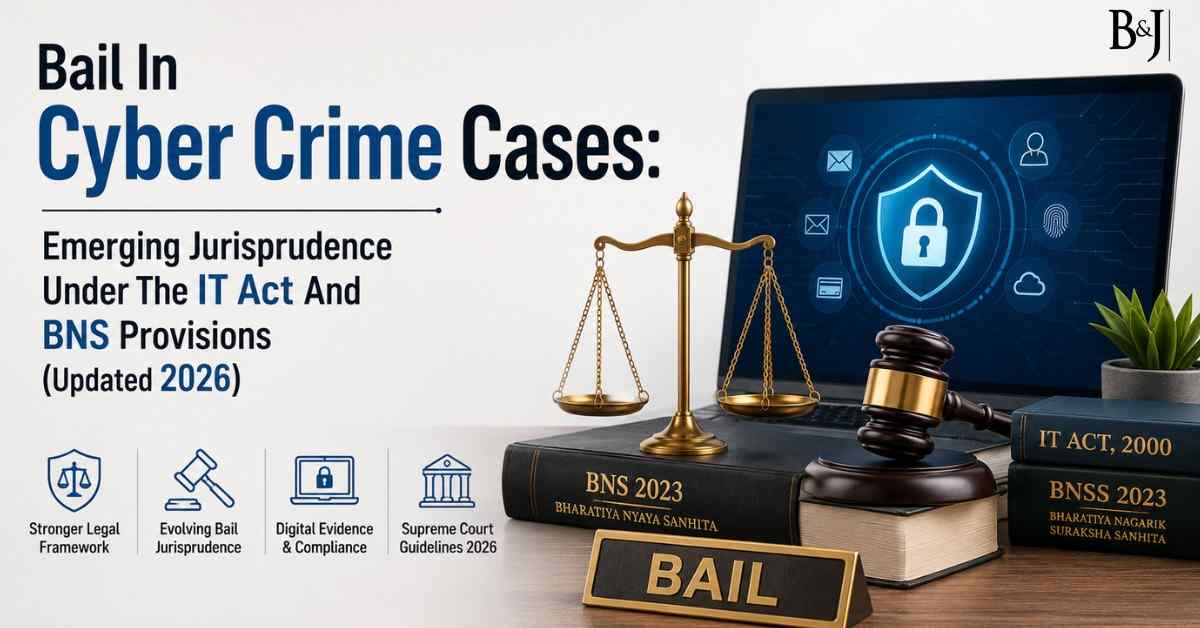
Bail In Cyber Crime Cases: Emerging Jurisprudence Under The IT Act And BNS Provisions (Updated 2026)
Introduction: The Shifting Paradigm In Cyber Jurisprudence The enforcement of the Bharatiya Nyaya Sanhita, 2023 (BNS) and the Bharatiya Nagarik Suraksha Sanhita, 2023 (BNSS) on Jul
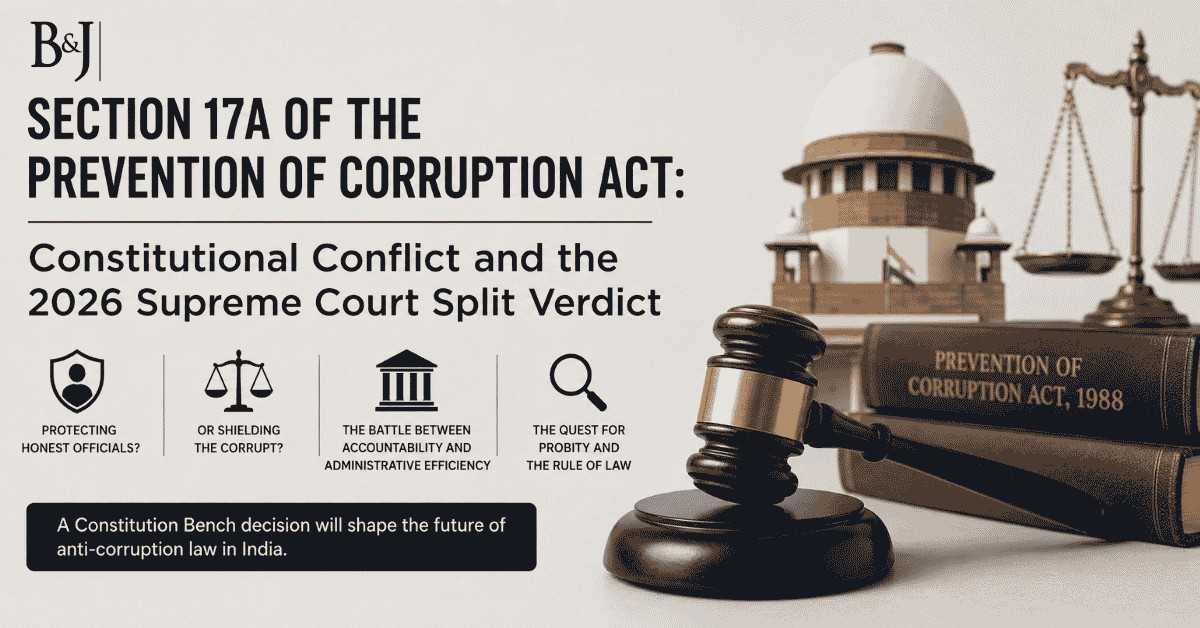
Supreme Court On Section 17A of the Prevention of Corruption Act: Split Verdict Analysis & Jurisprudential Implications (2026)
Introduction: The Legislative Intent And Constitutional Conflict Section 17A of the Prevention of Corruption Act, 1988 (PC Act), inserted via the 2018 Amendment, mandates investiga
Bharatiya Nyaya Sanhita (BNS), 2023 Vs. Indian Penal Code (IPC), 1860: A Section-Wise Comparative Analysis Of Key Substantive Changes (Updated 2026)
Introduction: The Decolonisation Of Indian Substantive Law On July 1, 2024, the Indian penal landscape underwent a historic transformation with the enforcement of the Bharatiya Nya
