 Whatsapp

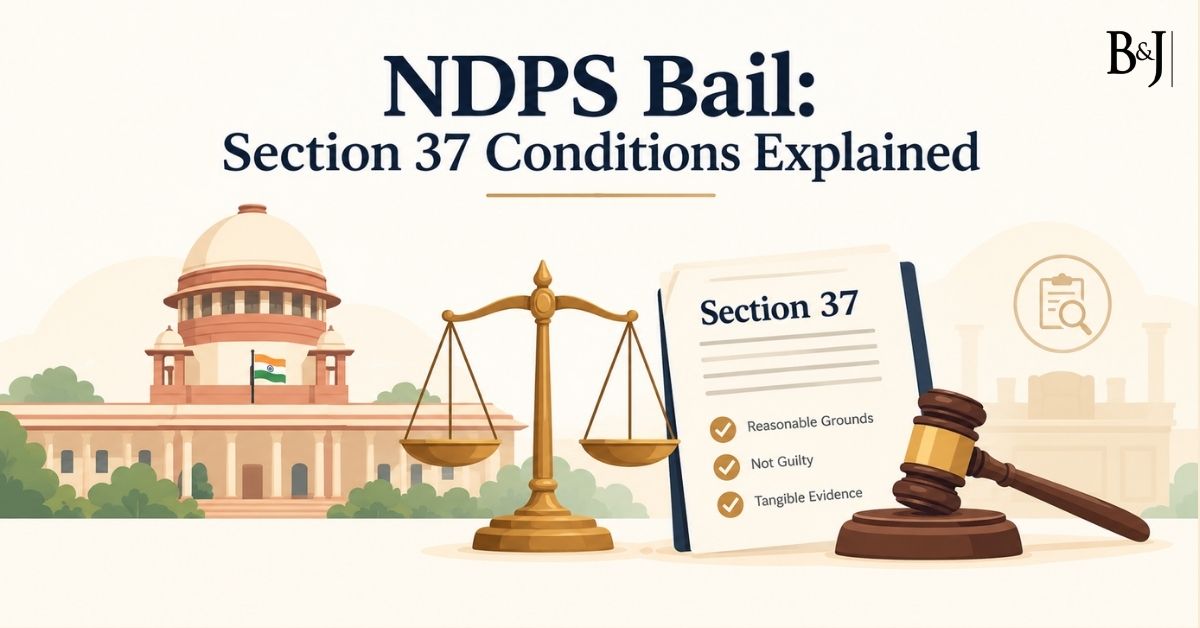
NDPS Bail: Section 37 Conditions Explained
Bail under the Narcotic Drugs and Psychotropic Substances Act, 1985 (NDPS Act) follows stricter rules than ordinary criminal law. While bail is generally the rule, NDPS bail can be
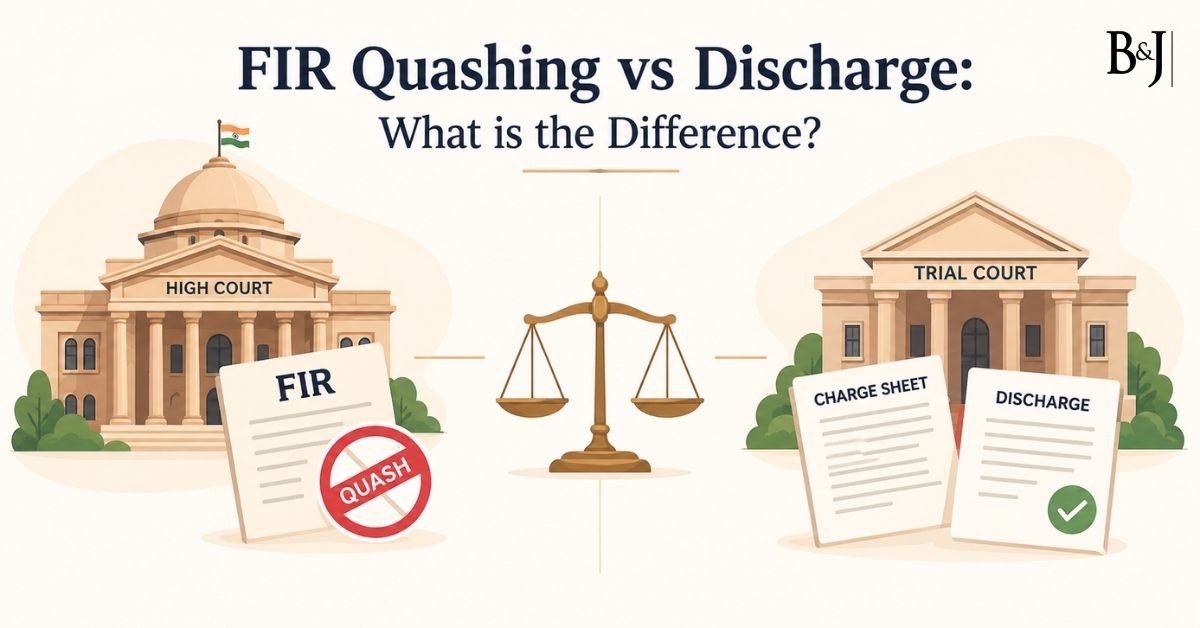
FIR Quashing vs Discharge: What is the Difference?
Both quashing and discharge can bring a criminal case to an end before trial, leaving the accused without a conviction. However, discharge vs quashing of an FIR involves two fundam
How to Quash a 498A FIR in Gujarat
The offence of cruelty by a husband or his relatives was governed by Section 498A of the Indian Penal Code, 1860. For offences committed on or after 1 July 2024, the corresponding
Quashing an FIR on Compromise or Settlement
Parties settle. A commercial dispute is resolved, a matrimonial matter ends in divorce by mutual consent, or a neighbourhood quarrel is amicably settled — yet the criminal case m
Grounds for Quashing an FIR: What Courts Consider?
Quashing an FIR is not granted merely because the accused denies the allegations or believes the case is weak. The High Court may quash an FIR or criminal proceedings where continu
Can an FIR be Quashed After the Chargesheet is Filed?
Yes. Quashing an FIR after a charge sheet is filed is still possible. The filing of a charge sheet does not take away the High Court’s inherent power to quash criminal proceeding
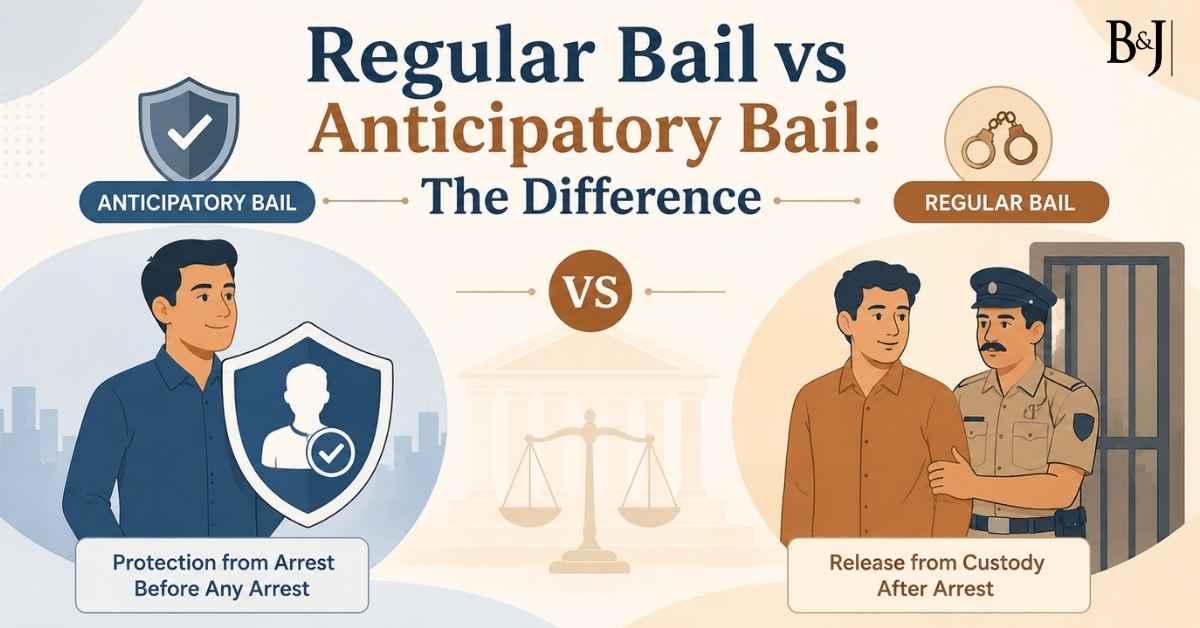
Regular Bail vs Anticipatory Bail: The Difference
Both anticipatory bail and regular bail are legal remedies that protect a person’s liberty, but they apply at different stages of a criminal case. The key distinction is arrest:
How to Get Anticipatory Bail in Gujarat (Step by Step)
Anticipatory bail is a pre-arrest legal remedy that allows a person to seek protection from arrest when they have reason to believe they may be arrested for a non-bailable offence.
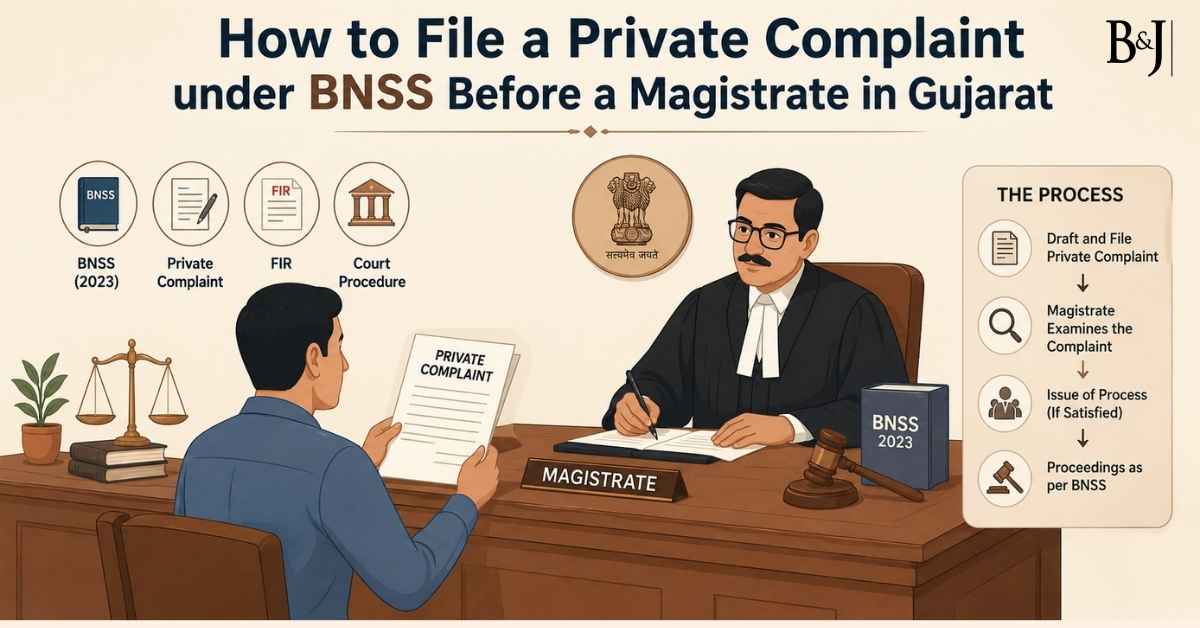
Cognizable vs Non-Cognizable Offences: The Difference
The distinction between cognizable and non-cognizable offences under the BNSS determines what the police can do after a crime is reported. It affects whether an FIR can be register
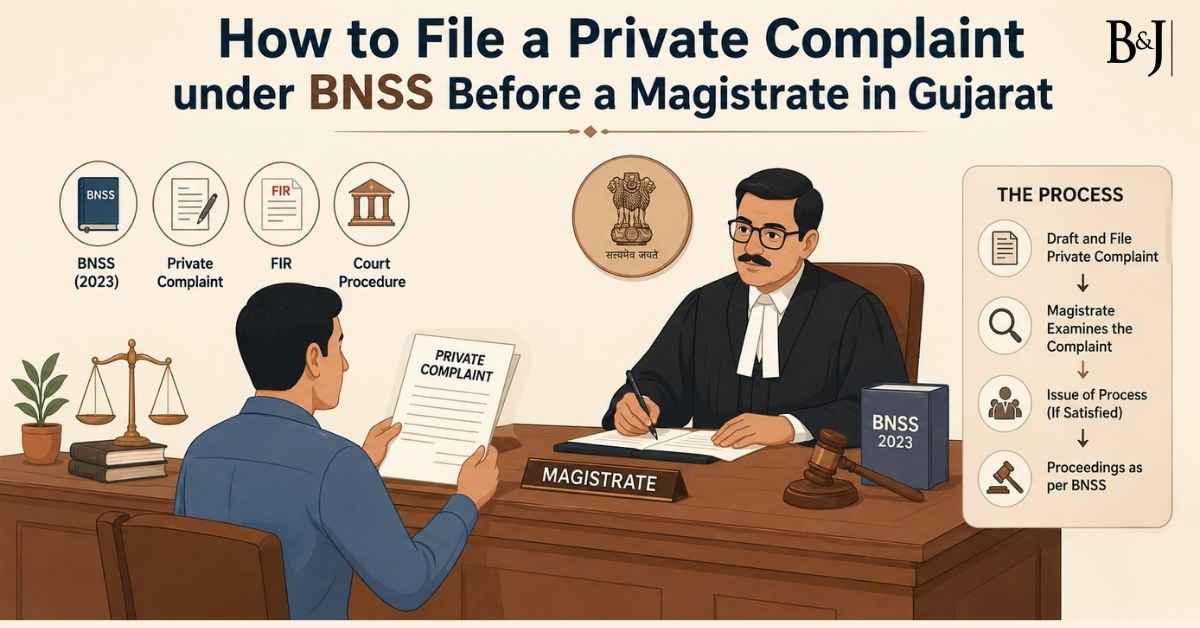
How to File a Private Complaint under BNSS Before a Magistrate in Gujarat
Not every criminal case begins with the police. Where an FIR is refused, the offence is non-cognizable, or the complainant prefers to proceed directly, a private complaint to a Mag
