 Whatsapp

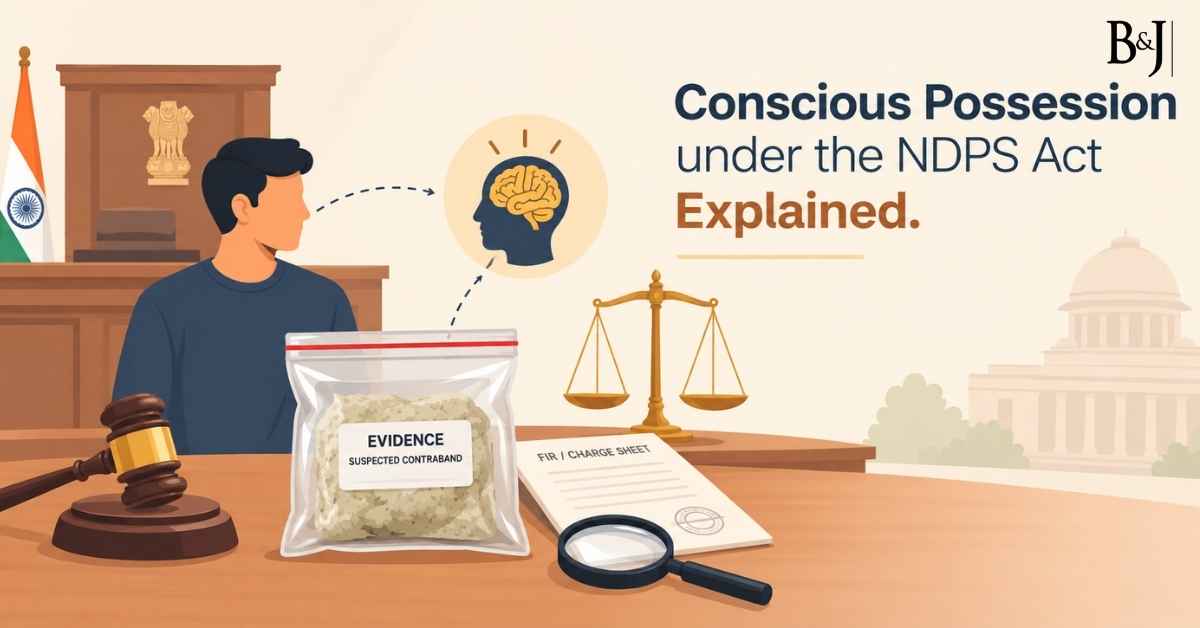
Conscious Possession under the NDPS Act Explained
The Narcotic Drugs and Psychotropic Substances Act, 1985 (NDPS Act) punishes the unlawful possession of narcotic drugs and psychotropic substances. However, possession under the ND
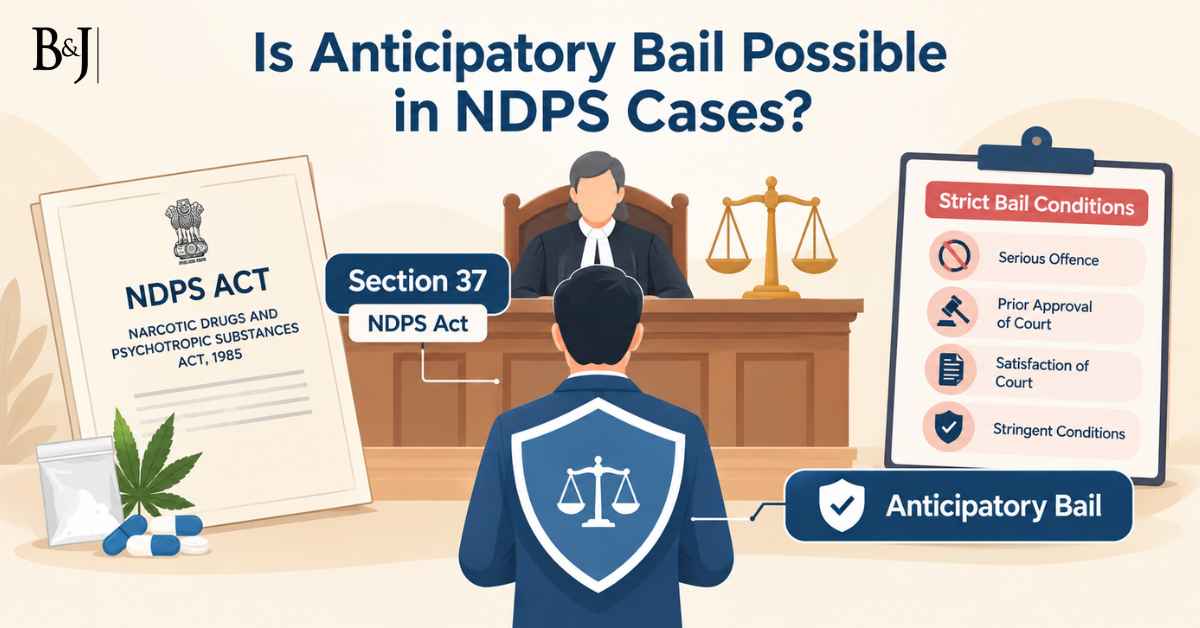
Is Anticipatory Bail Possible in NDPS Cases?
Anticipatory bail is available in NDPS matters. There is no provision in the Narcotic Drugs and Psychotropic Substances Act, 1985 that excludes it. But that answer requires immedia
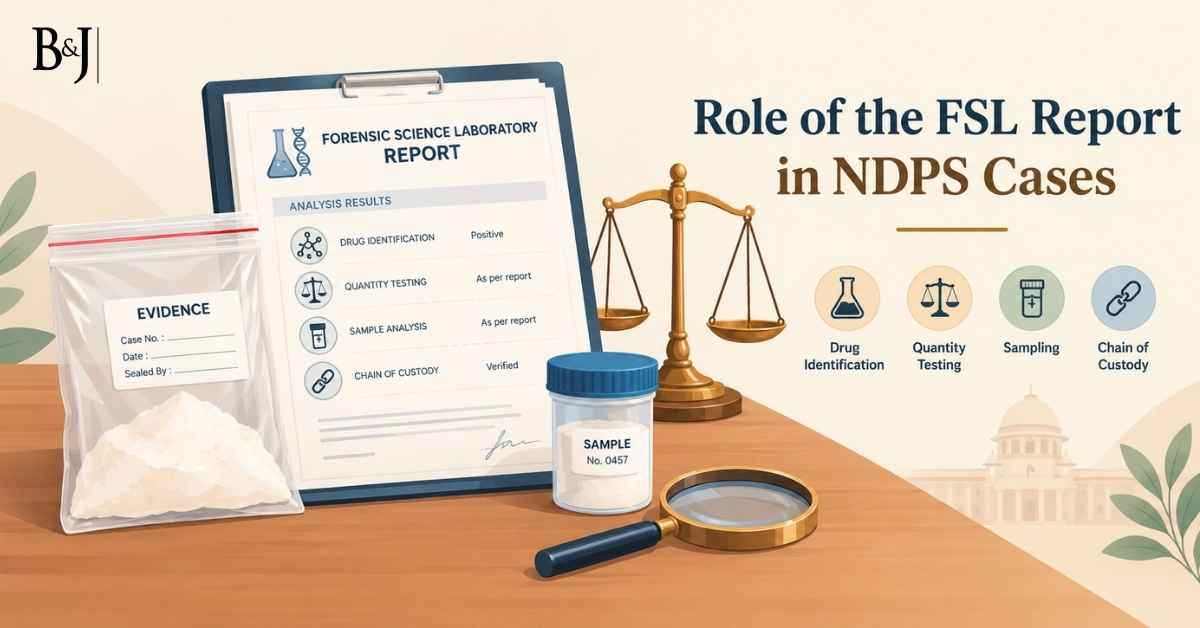
Role of the FSL Report in NDPS Cases
In most criminal trials, a forensic report is one piece of evidence among many. In an NDPS case, however, the Forensic Science Laboratory (FSL) report can be central to proving the

Section 50 NDPS: Search and Seizure Rights of the Accused
Section 50 of the Narcotic Drugs and Psychotropic Substances Act, 1985 (NDPS Act) confers one of the most litigated rights in Indian criminal law. It is a short provision, and non-
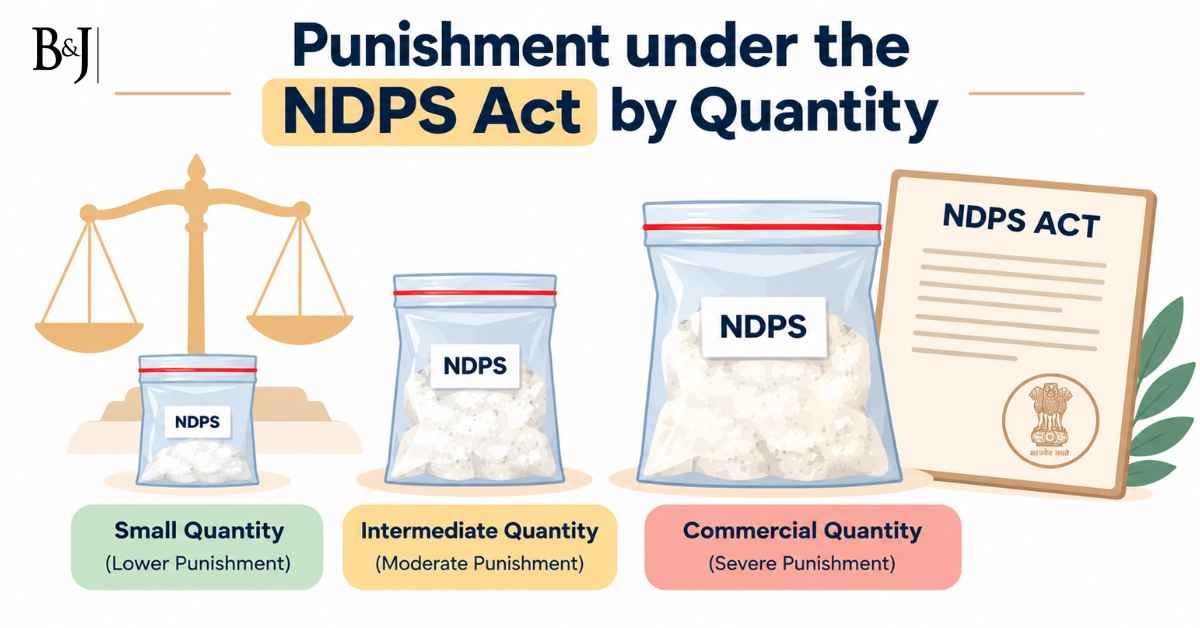
Punishment under the NDPS Act by Quantity
The Narcotic Drugs and Psychotropic Substances Act, 1985 (NDPS Act) does not prescribe the same punishment for every drug offence. Since the 2001 amendment, punishment under the ND
How to Get Bail in a Commercial-Quantity NDPS Case
Bail in a commercial-quantity case under the Narcotic Drugs and Psychotropic Substances Act, 1985 (NDPS Act) is among the hardest applications in Indian criminal practice. Section
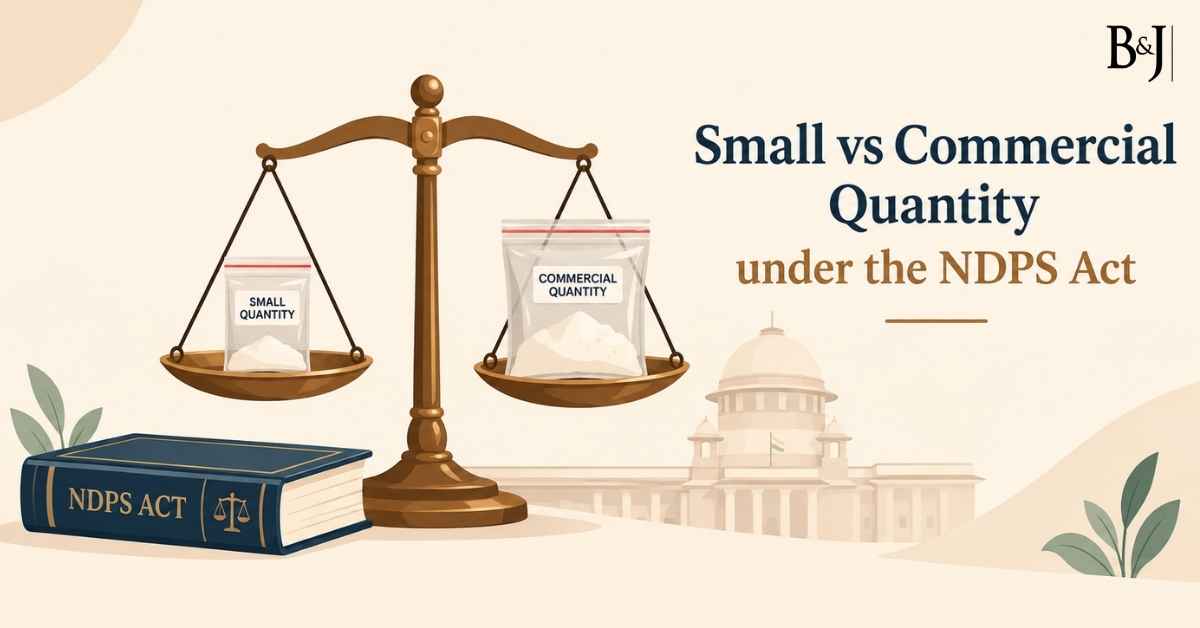
Small vs Commercial Quantity under the NDPS Act
In an NDPS case, one of the most important questions is whether the seized substance falls under small quantity, intermediate quantity, or commercial quantity under the NDPS Act. T
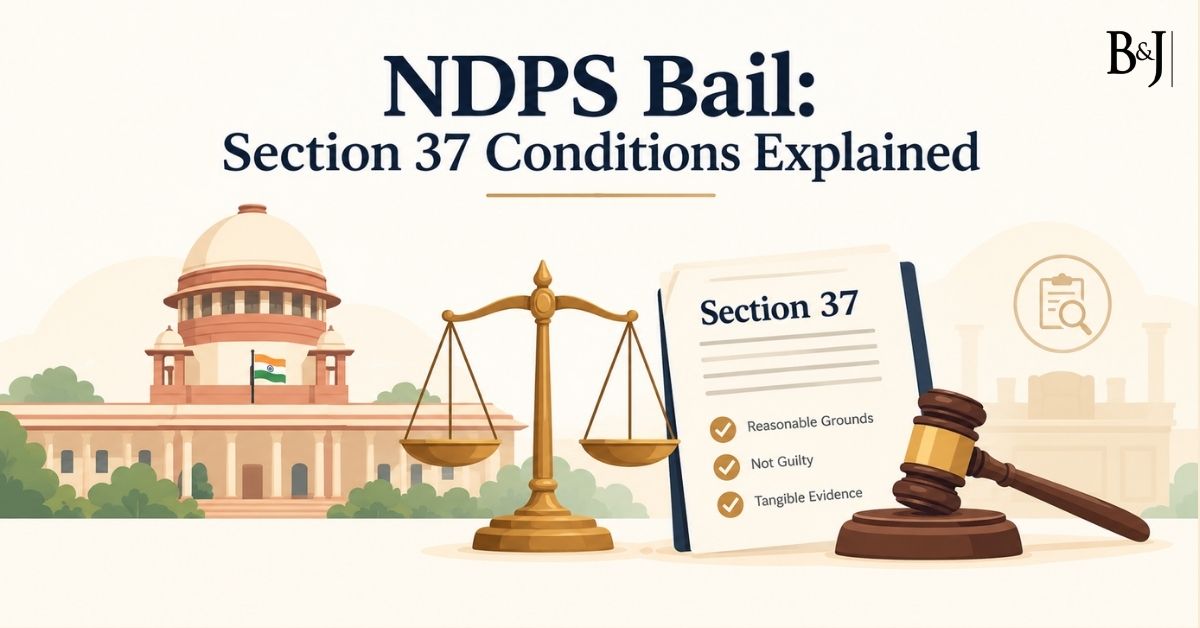
NDPS Bail: Section 37 Conditions Explained
Bail under the Narcotic Drugs and Psychotropic Substances Act, 1985 (NDPS Act) follows stricter rules than ordinary criminal law. While bail is generally the rule, NDPS bail can be
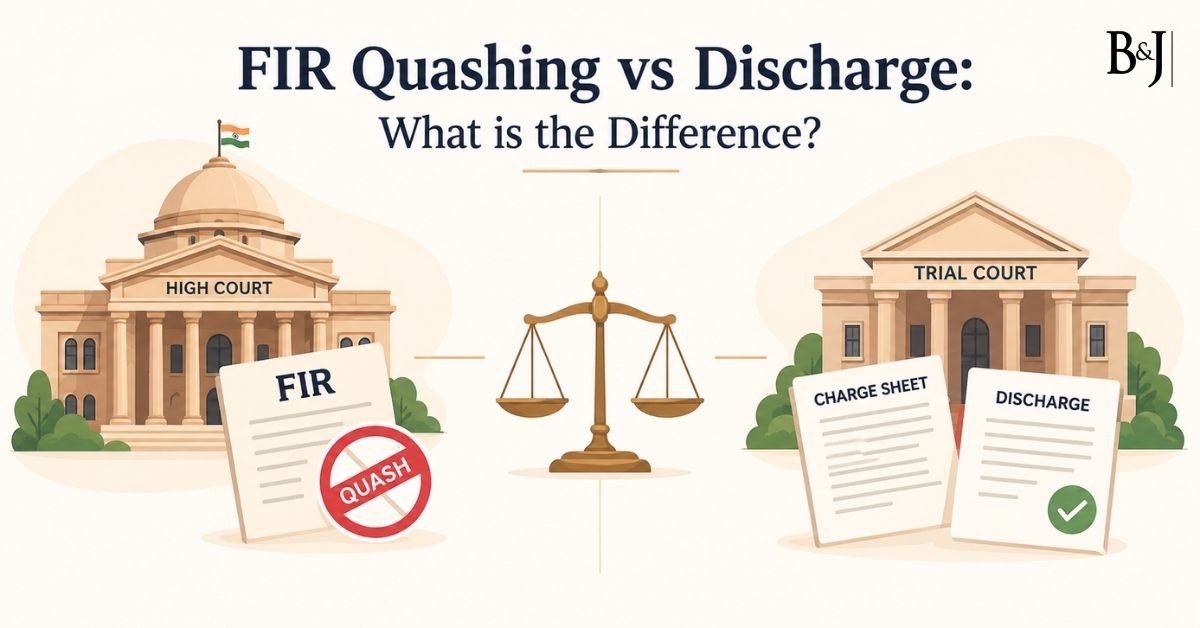
FIR Quashing vs Discharge: What is the Difference?
Both quashing and discharge can bring a criminal case to an end before trial, leaving the accused without a conviction. However, discharge vs quashing of an FIR involves two fundam
How to Quash a 498A FIR in Gujarat
The offence of cruelty by a husband or his relatives was governed by Section 498A of the Indian Penal Code, 1860. For offences committed on or after 1 July 2024, the corresponding
