 Whatsapp

Habeas Corpus Petition: Grounds and Procedure in India
Habeas corpus is the oldest and most direct of the constitutional remedies. Its Latin name — “you shall have the body” — describes what the writ does: it commands t
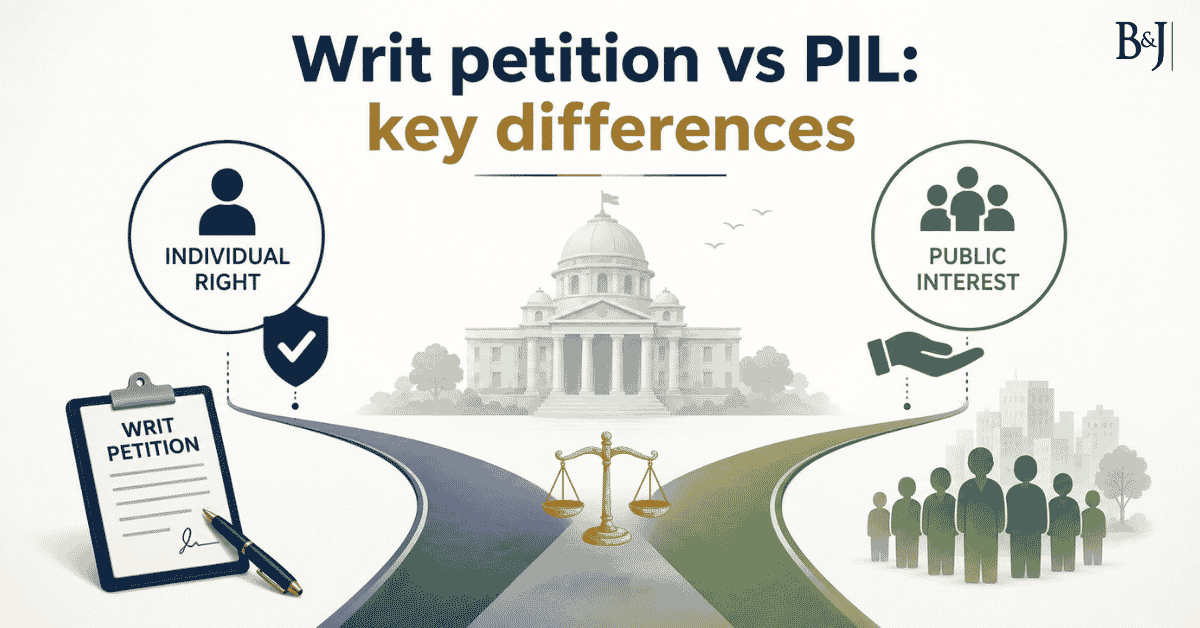
Writ petition vs PIL: key differences
A persistent misconception in the PIL vs writ petition debate is that they are separate species of proceeding. They are not. A PIL is a writ petition — one filed under Article 32
Nari Shakti Vandan Adhiniyam (106th Constitutional Amendment): Women’s Reservation Implementation Timeline And Procedural Roadblocks (2026)
Introduction: The Constitutional Promise Of Women’s Political Representation On April 16, 2026, the Ministry of Law and Justice, Government of India, issued a formal gazette noti
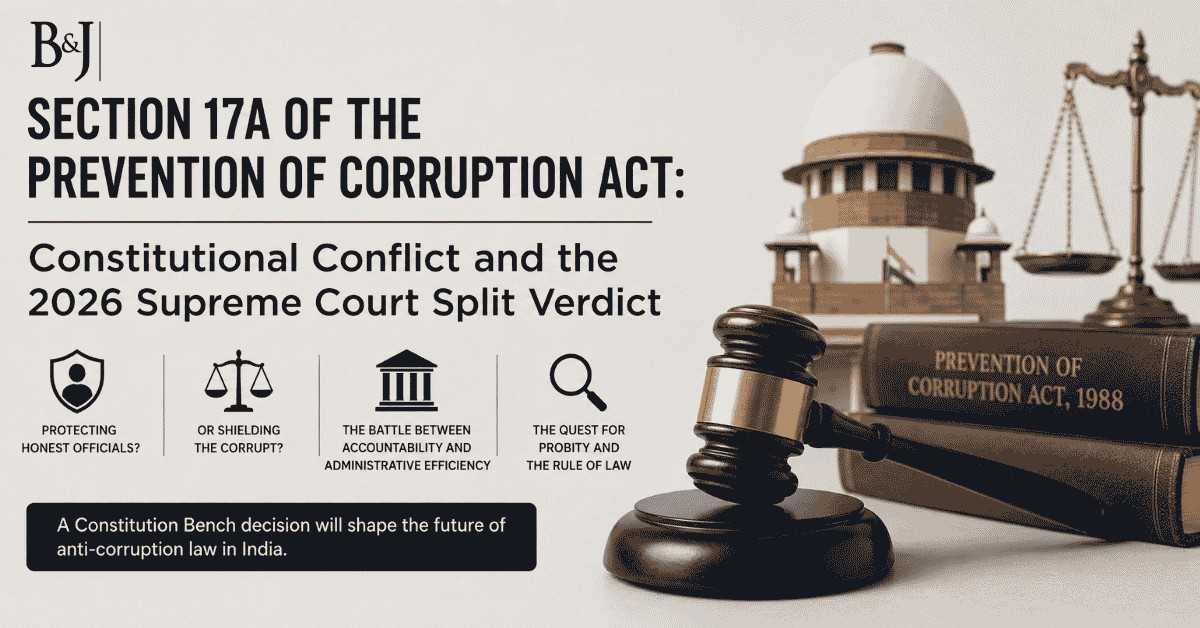
Supreme Court On Section 17A of the Prevention of Corruption Act: Split Verdict Analysis & Jurisprudential Implications (2026)
Introduction: The Legislative Intent And Constitutional Conflict Section 17A of the Prevention of Corruption Act, 1988 (PC Act), inserted via the 2018 Amendment, mandates investiga

Supreme Court Larger Bench Rule: When a 3-Judge Bench Recalls a 2-Judge Bench – India’s Unresolved Doctrine on Co-Equal Bench Powers
Introduction Few questions in Indian constitutional procedure are as persistently contested yet practically consequential as this: what exactly can a bench of three judges do to a
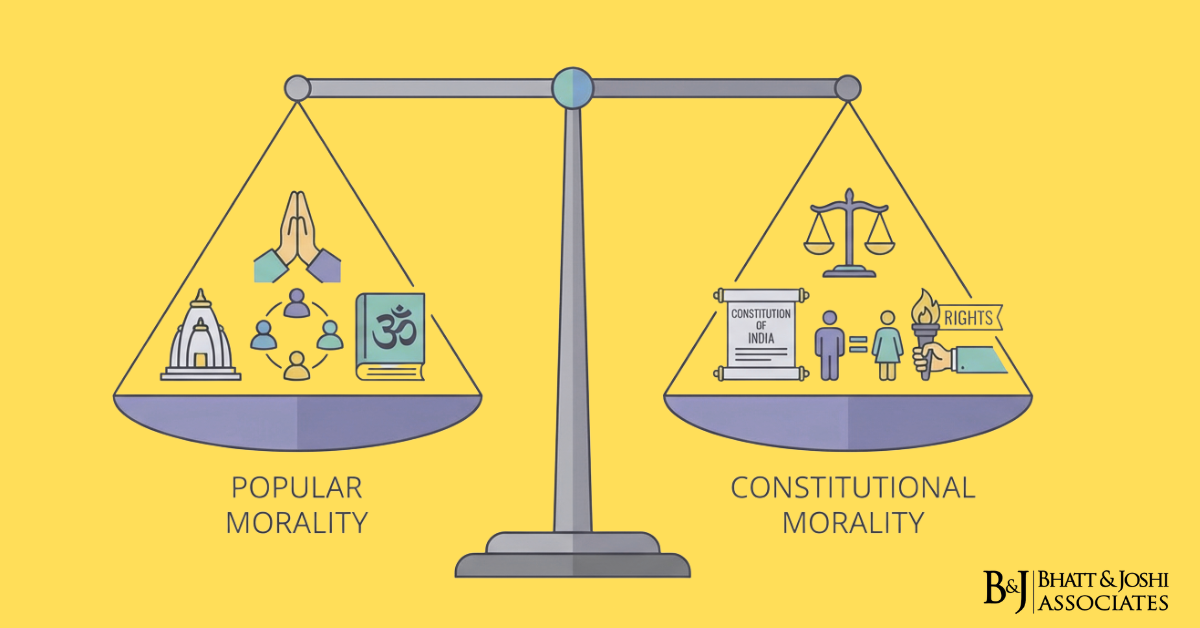
Constitutional Morality Vs Popular Morality: A Judicial Discourse on Rights and Freedoms in India
Introduction The tension between constitutional morality and popular morality represents one of the most significant debates in contemporary Indian jurisprudence. This conflict ari
Basic Structure Doctrine vs Parliamentary Sovereignty: The Constitutional Equilibrium in Indian Democracy
Introduction The Indian Constitution represents a delicate balance between flexibility and rigidity, between the need for evolutionary change and the preservation of fundamental va
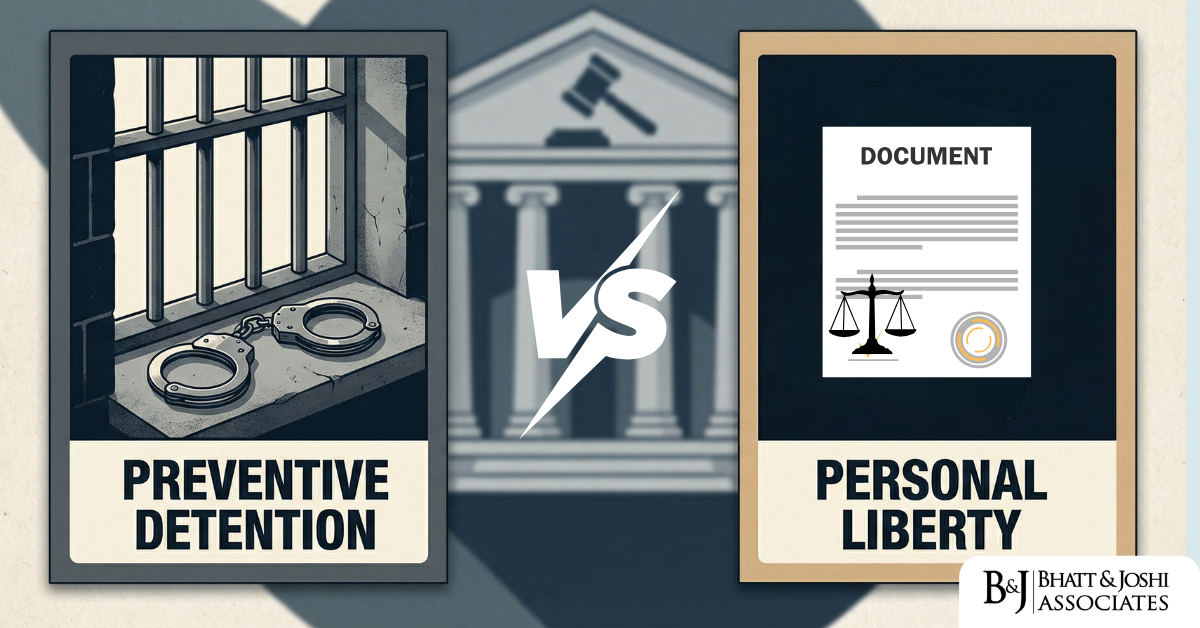
Preventive Detention Laws vs Due Process Guarantees in India: A Constitutional Analysis
Introduction The intersection of preventive detention laws and due process guarantees represents one of the most contentious areas in Indian constitutional jurisprudence. Preventiv
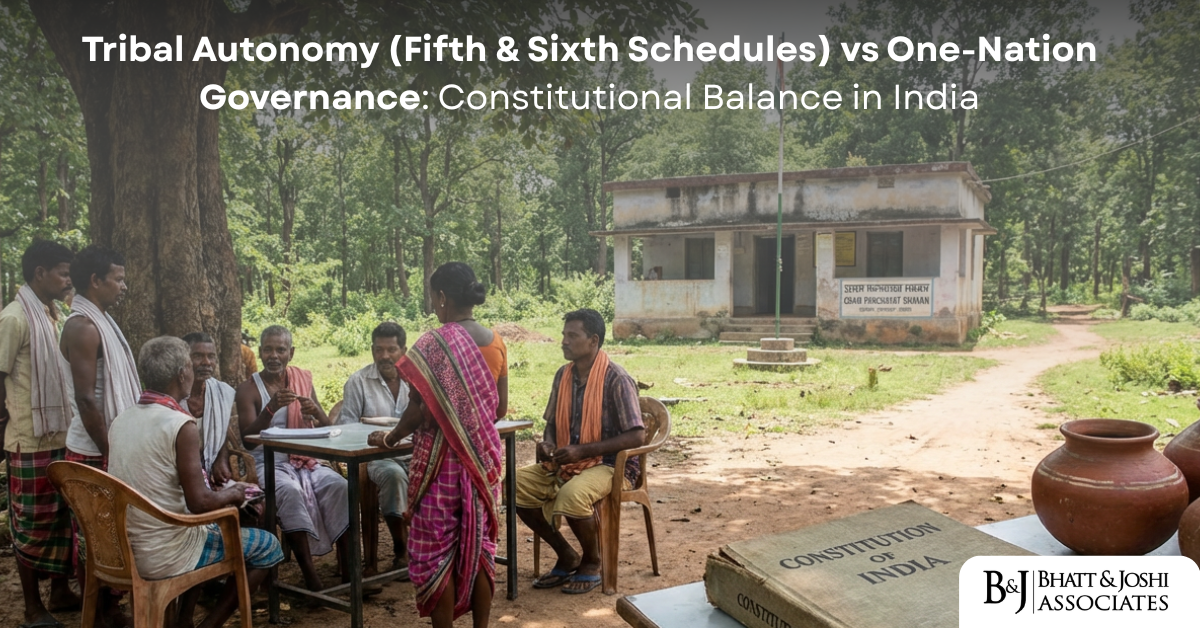
Tribal Autonomy (Fifth & Sixth Schedules) vs One-Nation Governance: Constitutional Balance in India
Introduction India’s constitutional architecture reflects a delicate equilibrium between unified national governance and the protection of tribal rights, a principle central
R N Ravi Supreme Court Judgement: Can the Court Reconsider Its Stand? President Murmu’s Advisory Reference and the Tamil Nadu Bills Debate
Introduction President Droupadi Murmu’s unprecedented move to seek an advisory opinion from the Supreme Court of India under Article 143(1) has reignited a fundamental debate on
