 Whatsapp

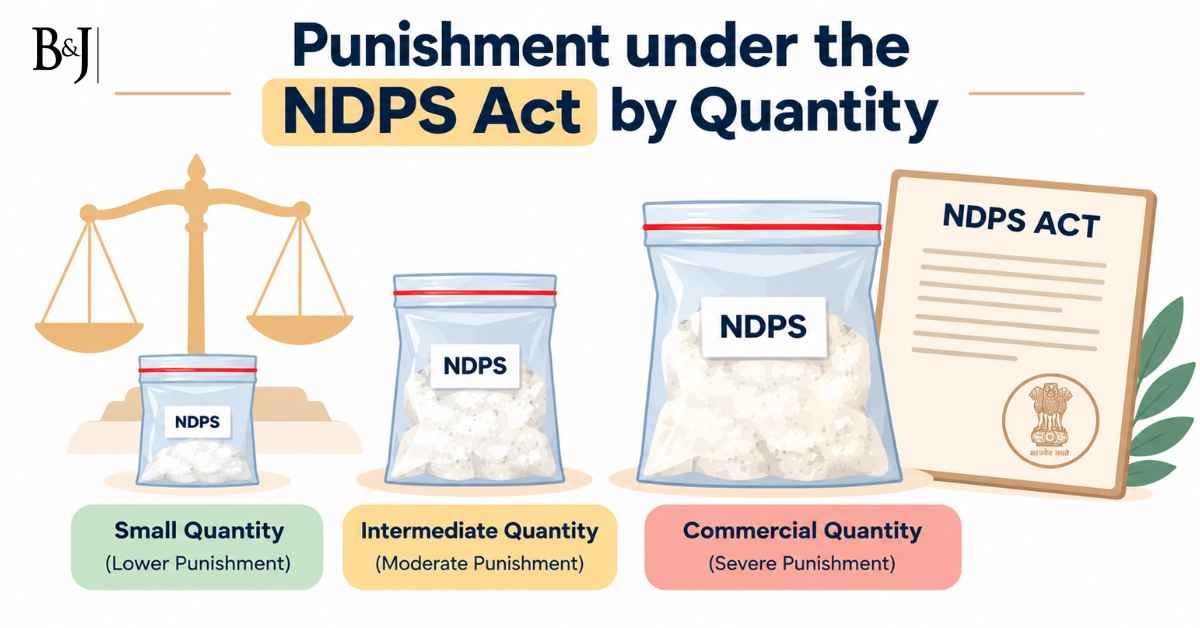
Punishment under the NDPS Act by Quantity
The Narcotic Drugs and Psychotropic Substances Act, 1985 (NDPS Act) does not prescribe the same punishment for every drug offence. Since the 2001 amendment, punishment under the ND
How to Get Bail in a Commercial-Quantity NDPS Case
Bail in a commercial-quantity case under the Narcotic Drugs and Psychotropic Substances Act, 1985 (NDPS Act) is among the hardest applications in Indian criminal practice. Section
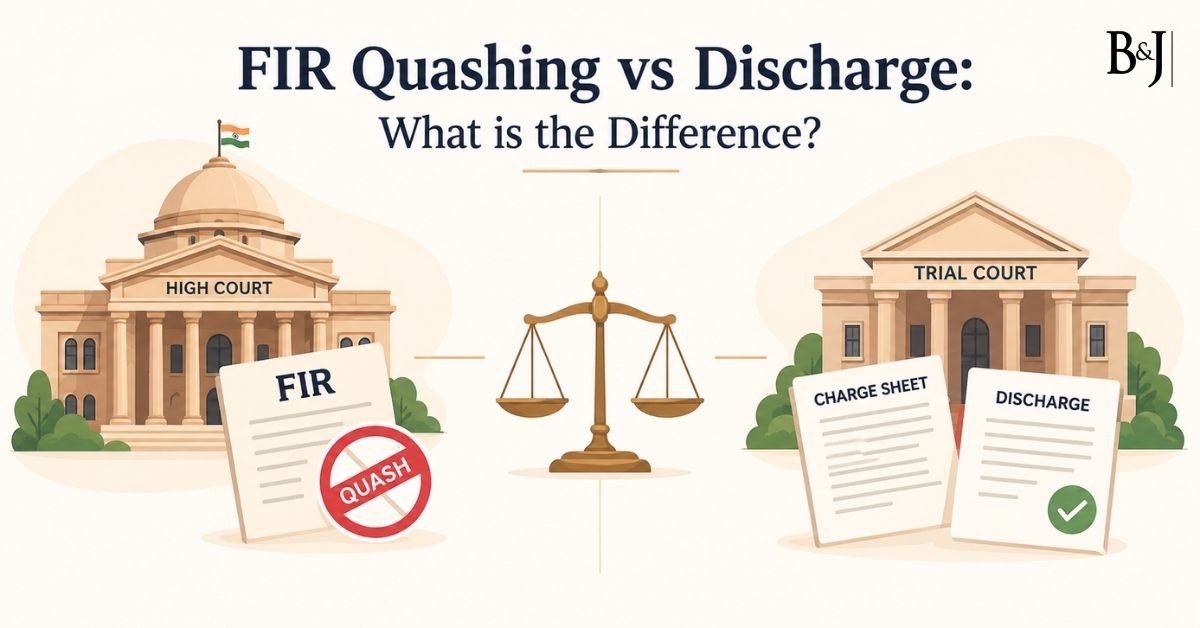
FIR Quashing vs Discharge: What is the Difference?
Both quashing and discharge can bring a criminal case to an end before trial, leaving the accused without a conviction. However, discharge vs quashing of an FIR involves two fundam
How Long Does It Take to Get Bail in Gujarat?
How long does bail take in India? This is often the first question a family asks, but there is no fixed timeline. The bail process in India depends on the offence, the court, the c
Is Anticipatory Bail Possible in Economic Offences?
The short answer is yes — anticipatory bail is available in economic offences. There is no general statutory bar. The longer and more useful answer is that courts approach such a
Grounds for Cancellation of Anticipatory Bail
An order granting anticipatory bail can be cancelled in appropriate circumstances. However, bail cannot be cancelled merely because another court might have reached a different con
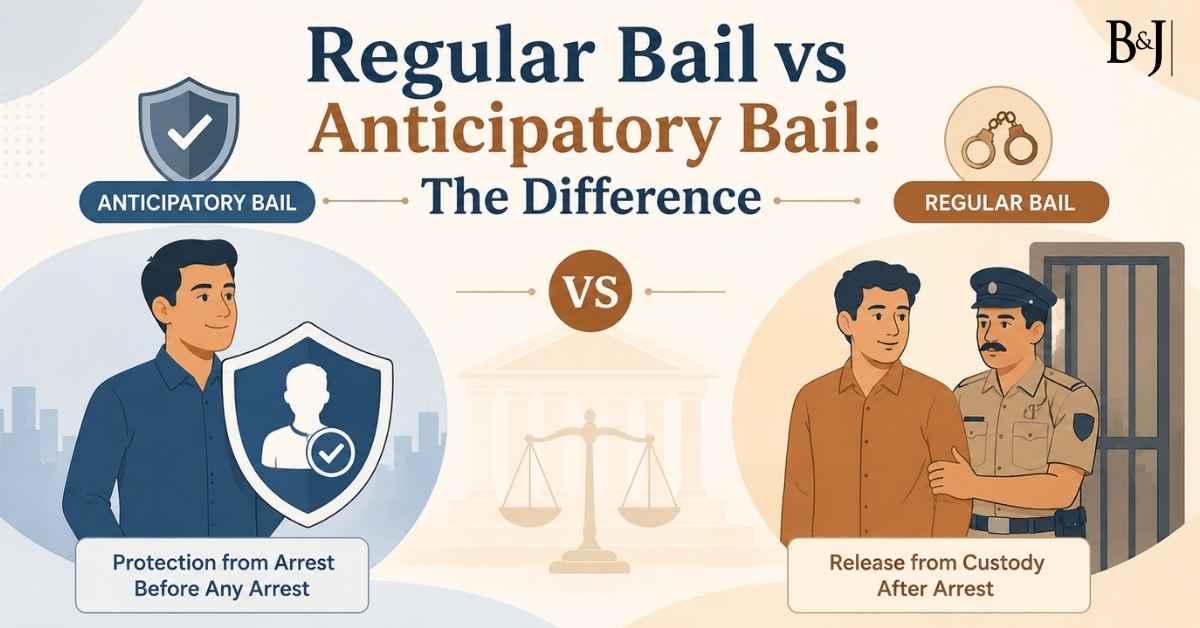
Regular Bail vs Anticipatory Bail: The Difference
Both anticipatory bail and regular bail are legal remedies that protect a person’s liberty, but they apply at different stages of a criminal case. The key distinction is arrest:
How to Get Anticipatory Bail in Gujarat (Step by Step)
Anticipatory bail is a pre-arrest legal remedy that allows a person to seek protection from arrest when they have reason to believe they may be arrested for a non-bailable offence.
Cognizable vs Non-Cognizable Offences: The Difference
The distinction between cognizable and non-cognizable offences under the BNSS determines what the police can do after a crime is reported. It affects whether an FIR can be register
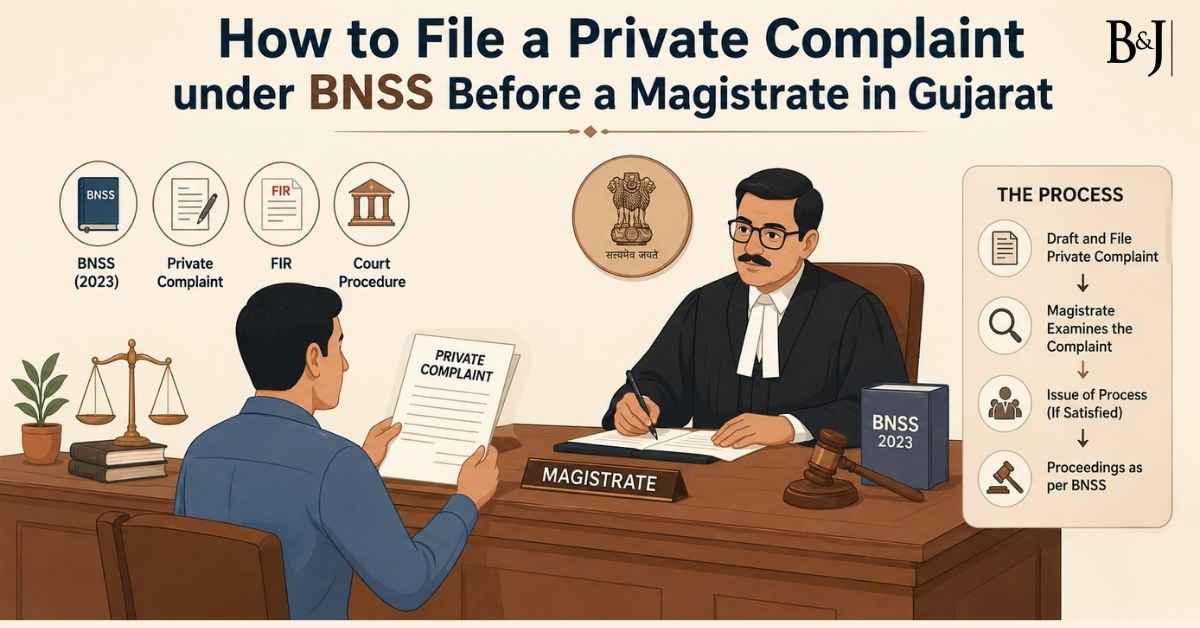
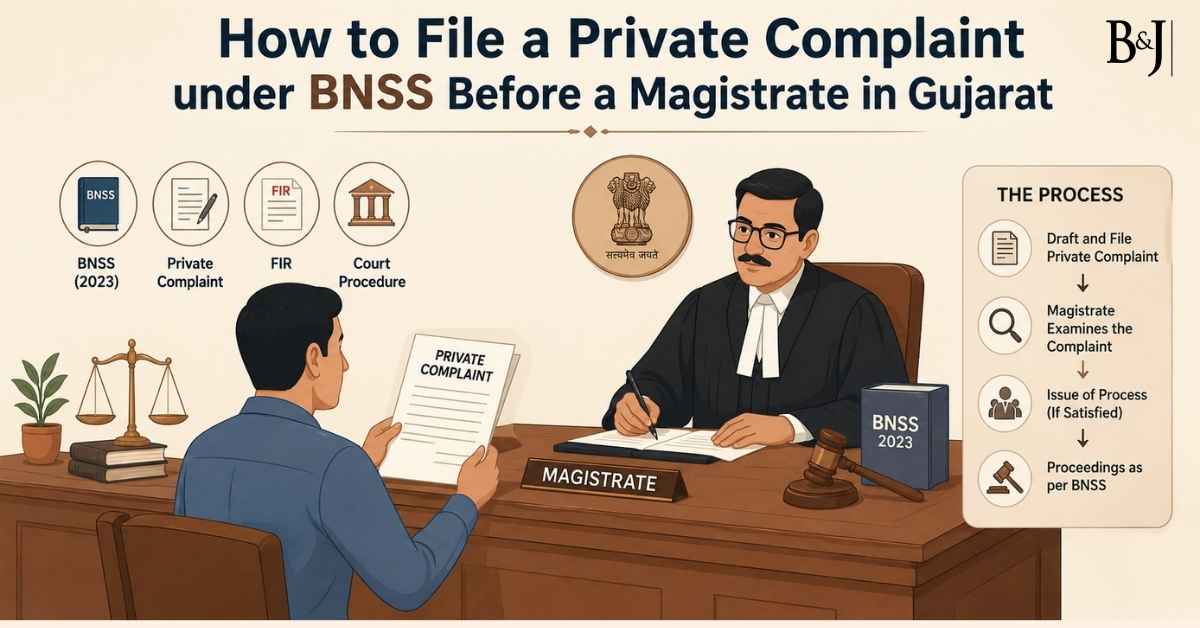
How to File a Private Complaint under BNSS Before a Magistrate in Gujarat
Not every criminal case begins with the police. Where an FIR is refused, the offence is non-cognizable, or the complainant prefers to proceed directly, a private complaint to a Mag
