 Whatsapp



Cross-Border Mergers, Reverse Flips and GIFT IFSC
Indian law generally does not permit a foreign company to directly re-domicile to India. Instead, a foreign entity may merge into a surviving Indian company under Section 234 of th
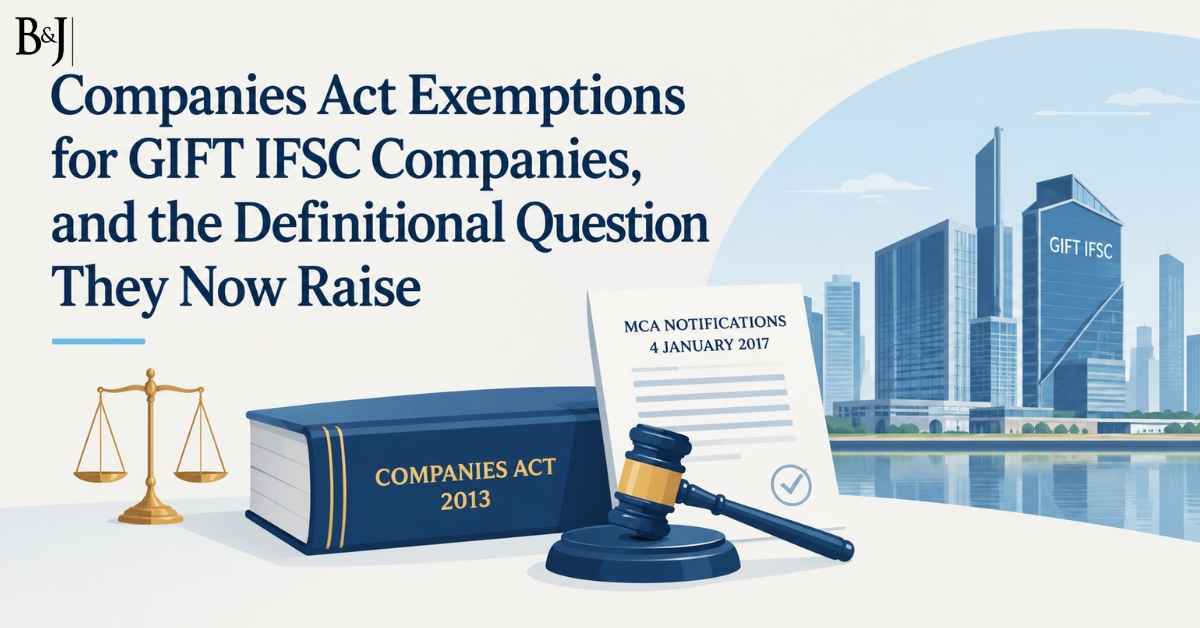
Companies Act Exemptions for GIFT IFSC Companies, and the Definitional Question They Now Raise
A company incorporated in GIFT IFSC remains an Indian company governed by the Companies Act, 2013. However, the MCA notifications dated 4 January 2017 provide specific exemptions,

Inside India, Outside for FEMA: The Legal Status of a GIFT IFSC Unit
A company incorporated in GIFT IFSC is an Indian company. For foreign exchange purposes, however, it is treated as a person resident outside India. It also sits within a Special Ec
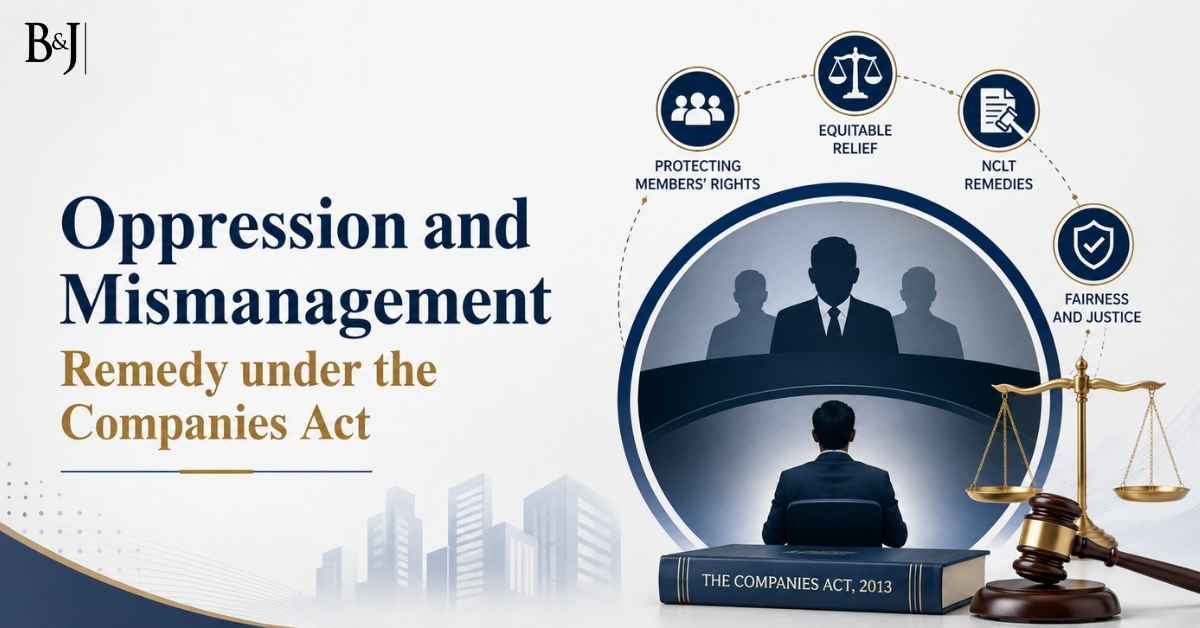
Oppression and Mismanagement Remedy under the Companies Act
Company law generally leaves the running of a company to the majority. Directors are appointed by majority vote, resolutions are carried by majority, and a shareholder who disagree
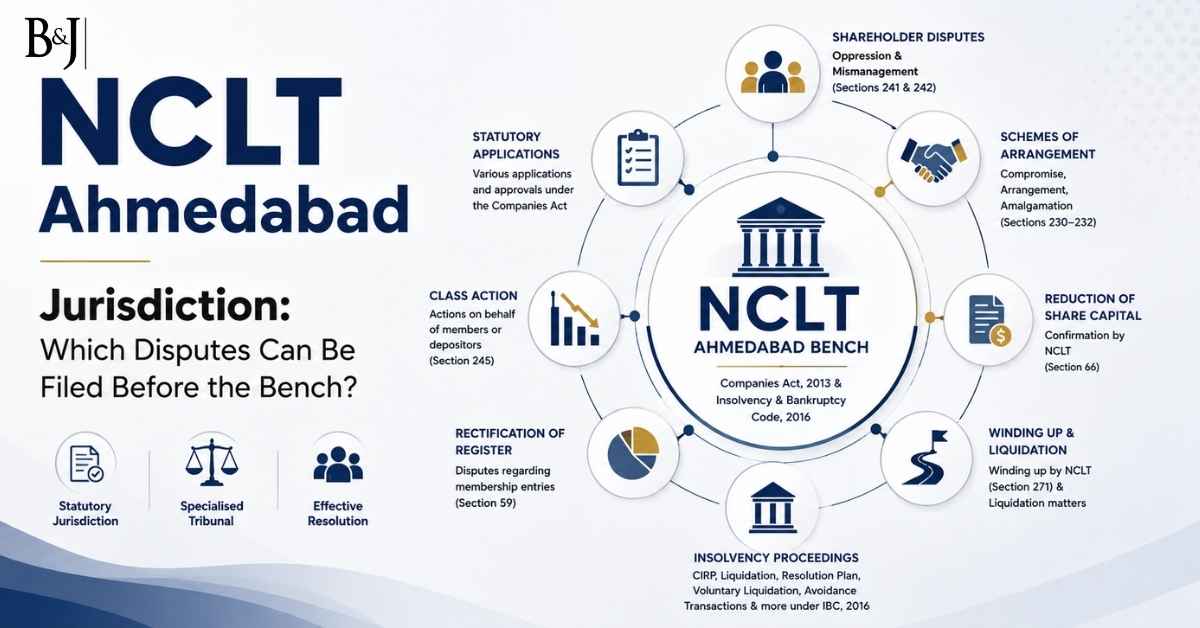
NCLT Ahmedabad Jurisdiction: Which Disputes Can Be Filed Before the Bench?
The National Company Law Tribunal (NCLT) is a key forum for corporate disputes in India, particularly matters arising under the Companies Act, 2013 and the Insolvency and Bankruptc
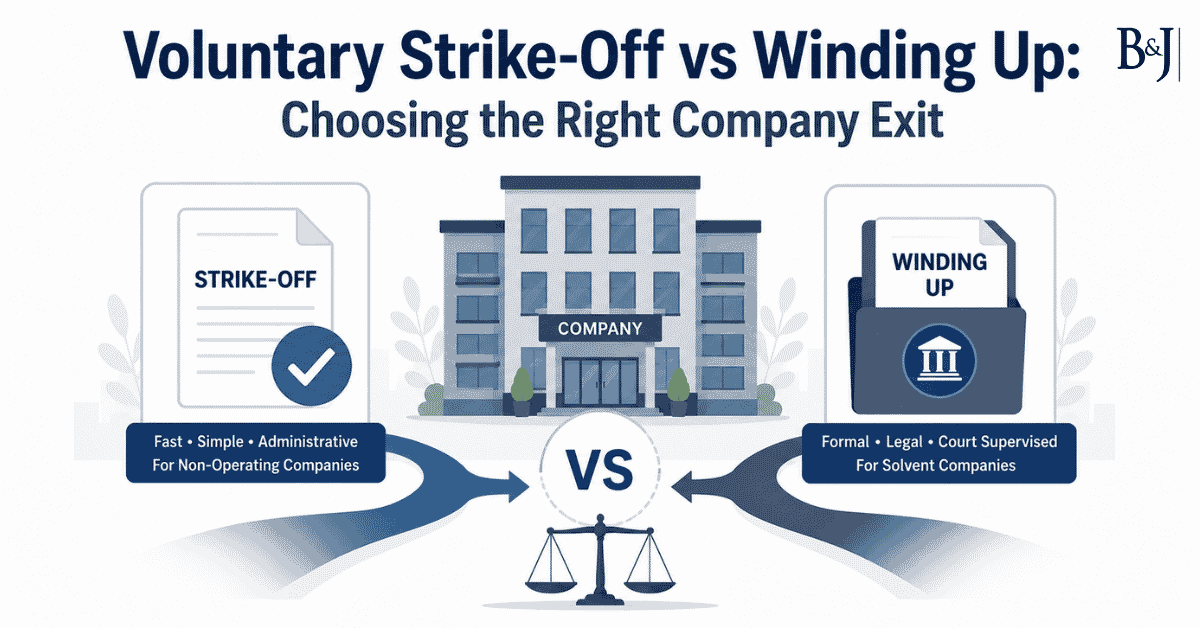
Voluntary Strike-Off vs Winding Up: Choosing the Right Company Exit
Executive Summary The decision between voluntary strike off vs winding up company exit routes under Indian corporate law is one of the most consequential choices available to the d
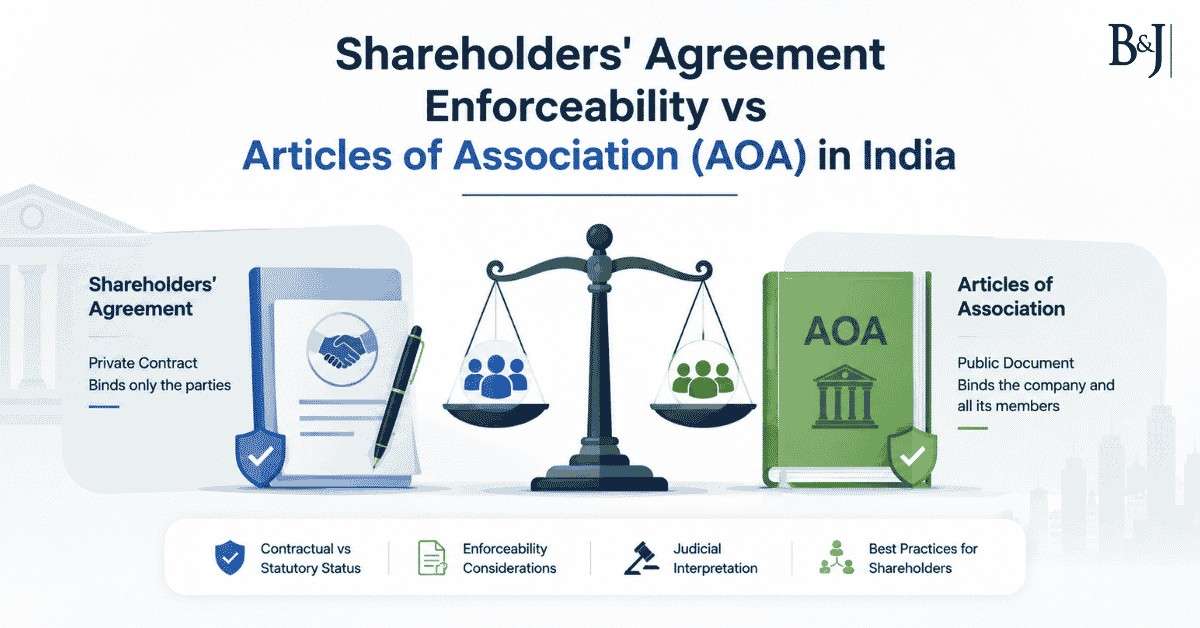
Shareholders’ Agreement Enforceability vs Articles of Association (AOA) in India
Executive Summary The tension between a shareholders’ agreement vs AoA (Articles of Association) is one of the most consequential — and frequently litigated — questions i

Lifting the Corporate Veil in India: Director’s Personal Liability Under the Companies Act 2013
Executive Summary The doctrine of corporate personality — the principle that a company is a legal person separate and distinct from its members and officers — is the cornerston
Section 241 and 242 of the Companies Act, 2013: Oppression & Mismanagement — Who Has Standing to File? (2026 NCLAT Update)
Introduction: The Statutory Remedy Against Majority Rule Corporate democracy functions on the fundamental principle of majority rule. However, when the majority abuses its power to

Private Complaints Against Corporate Fraud: The SFIO Mandate Under Companies Act 2013
Introduction Corporate fraud has emerged as one of the most challenging dimensions of white-collar crime in contemporary India, eroding investor confidence and undermining the inte