 Whatsapp


Stay on Arrest & Transit Anticipatory Bail in Gujarat: When and How to Seek It
Executive Summary The intersection of inter-state criminal enforcement and fundamental personal liberty generates a specific class of legal predicament in which an individual prese
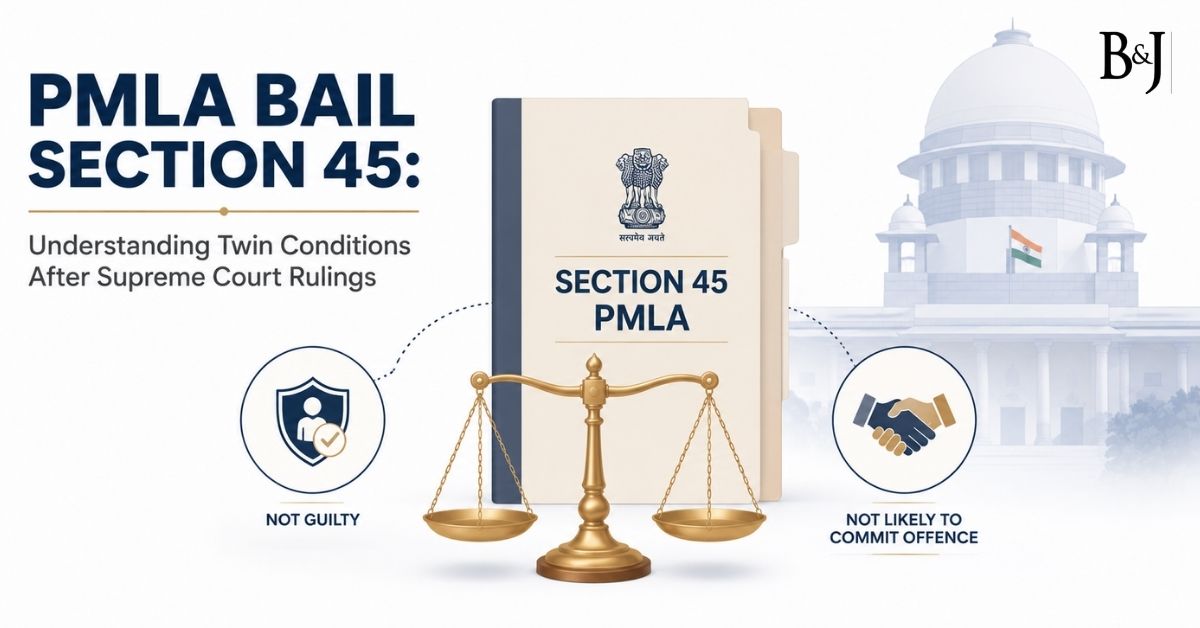
PMLA Bail: How the Twin Conditions Under Section 45 Work After Recent Supreme Court Rulings (2026)
Executive Summary The grant of bail in cases registered under the Prevention of Money Laundering Act, 2002 (PMLA) is among the most heavily contested procedural questions in Indian
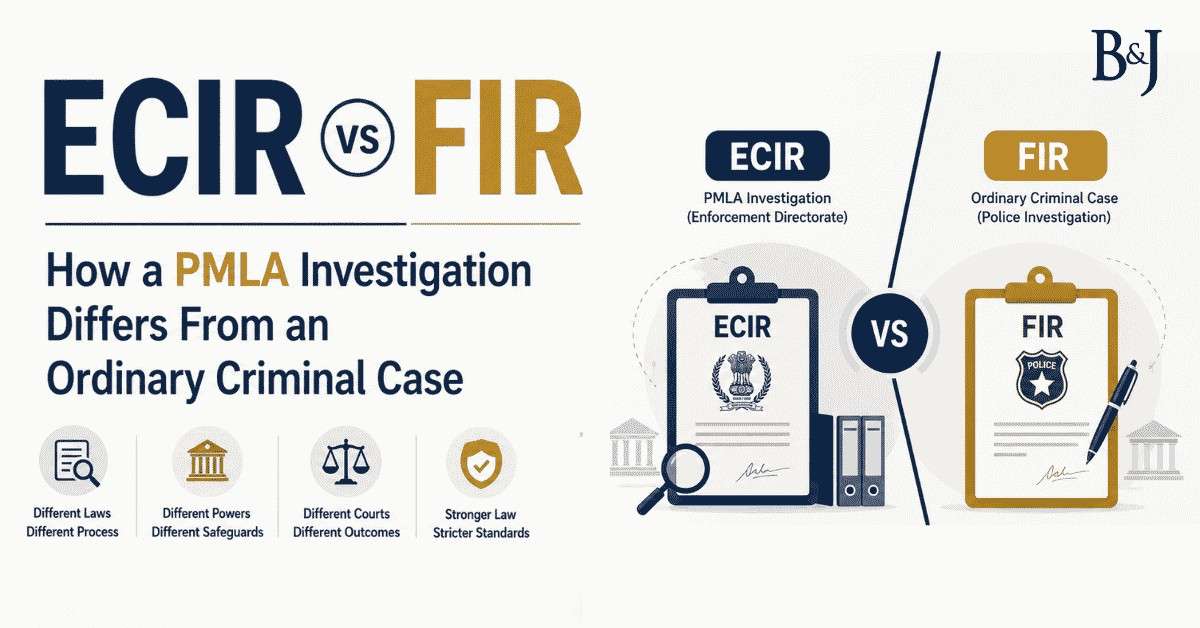
ECIR vs FIR: How a PMLA Investigation Differs From an Ordinary Criminal Case
Executive Summary The distinction between an ECIR vs FIR — between the Enforcement Case Information Report registered by the Directorate of Enforcement under the Prevention of Mo
Criminal Appeals in Gujarat: From Sessions Court to High Court Under Section 415 BNSS
Executive Summary The right of a convicted person to challenge a judgment and sentence before a superior court is among the most fundamental procedural guarantees in any system of
Bharatiya Nyaya Sanhita (BNS), 2023 Vs. Indian Penal Code (IPC), 1860: A Section-Wise Comparative Analysis Of Key Substantive Changes (Updated 2026)
Introduction: The Decolonisation Of Indian Substantive Law On July 1, 2024, the Indian penal landscape underwent a historic transformation with the enforcement of the Bharatiya Nya

What Happens After Arrest in India? A Simple Guide to Remand, Custody, and Default Bail
Introduction When a person is arrested in India, a countdown begins. Most people — and even many families of those arrested — have no idea that the law places strict time limit
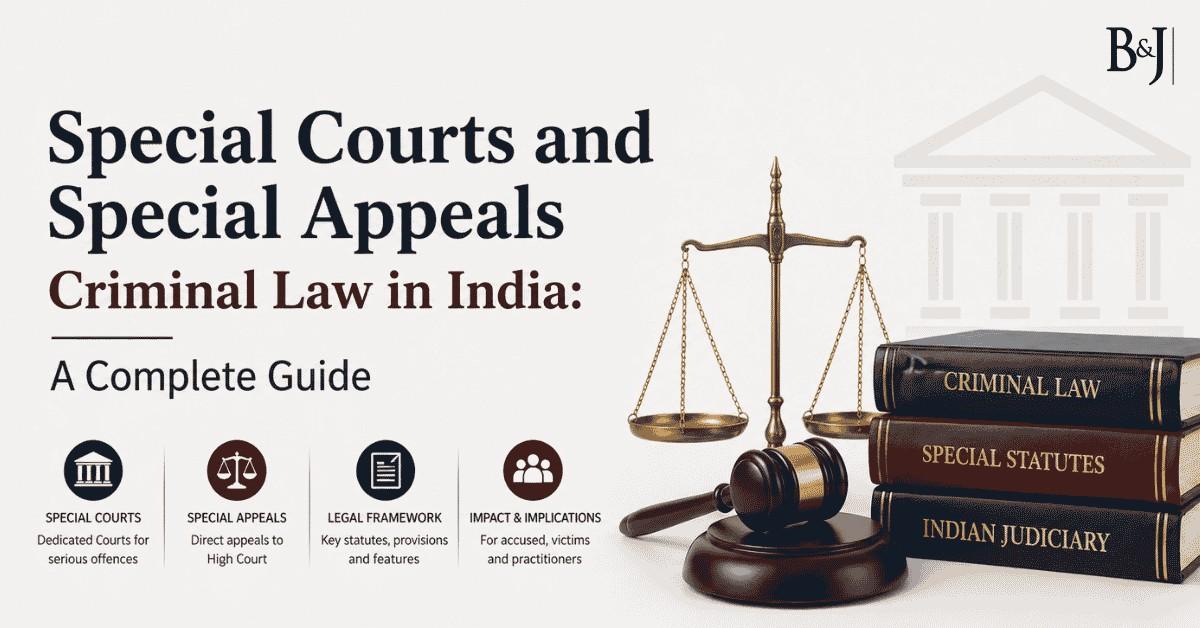
Special Courts and Appeals in Criminal Law in India: A Complete Guide
Abstract India’s criminal justice system operates on a layered appellate hierarchy under the Bharatiya Nagarik Suraksha Sanhita (BNSS), 2023 and its predecessor, the Code of
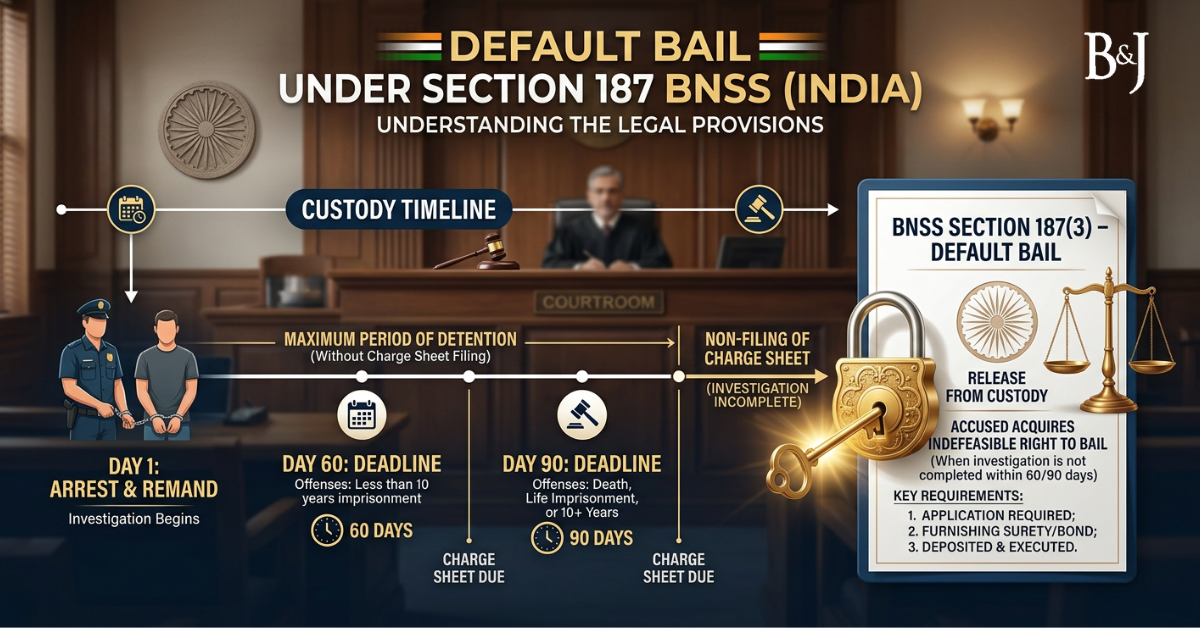
Section 187(3) BNSS Default Bail: 60/90 Day Rule Guide
Introduction The enactment of the Bharatiya Nagarik Suraksha Sanhita, 2023 marks a structural shift in India’s criminal procedure regime, replacing the Code of Criminal Procedure
High Court Must Independently Apply Its Mind on SC/ST Act Charges in Appeal Under Section 14A: Supreme Court Emphasizes Active Appellate Scrutiny
Introduction The appellate jurisdiction of High Courts under the Scheduled Castes and Scheduled Tribes (Prevention of Atrocities) Act, 1989, has been a subject of evolving jurispru
Judicial Restraint on Witness Multiplication: Bail in NDPS Cases and Right to Speedy Trial Under Article 21
Introduction The Supreme Court of India has consistently emphasized that prolonged incarceration without trial constitutes a violation of fundamental rights guaranteed under Articl
