Whatsapp

Critical Issues Under GST: Essential GST Compliance Guide for Taxpayers
A comprehensive guide to the challenges and solutions for GST compliance

Introduction
The Goods and Services Tax (GST) regime, implemented in India on July 1, 2017, represents one of the most significant tax reforms in the country’s economic history. This comprehensive indirect tax system replaced multiple central and state taxes, including excise duty, service tax, Value Added Tax (VAT), and various other levies, creating a unified tax structure across the nation. While GST has simplified the tax landscape by eliminating the cascading effect of taxes and promoting ease of doing business, it has also introduced complex compliance requirements that demand careful attention from taxpayers.
The Central Goods and Services Tax Act, 2017 (CGST Act), along with corresponding state legislations, governs the GST framework in India [1]. The statute encompasses various provisions dealing with registration, returns, input tax credit, assessment, audit, appeals, and penalties. Non-compliance with these provisions can result in substantial financial penalties, interest charges, and protracted litigation, making it imperative for taxpayers to understand and navigate these critical areas effectively.
This comprehensive analysis examines the most pressing compliance challenges faced by taxpayers under the GST regime, providing detailed insights into the legal framework, procedural requirements, and practical implications of various provisions. The discussion covers essential areas including scrutiny and audit procedures, return filing obligations, appeal mechanisms, input tax credit regulations, e-way bill requirements, and other significant compliance issues that require meticulous attention.
GST Scrutiny and Audit Framework
Understanding the Scrutiny Process
The scrutiny of GST returns forms a fundamental component of the tax administration mechanism under the CGST Act. Section 61 of the CGST Act, 2017 empowers the proper officer to scrutinize returns and related particulars furnished by taxpayers to verify their correctness [2]. This provision allows tax authorities to identify discrepancies in the returns filed and seek explanations from taxpayers regarding any irregularities observed.
The scrutiny process operates through a systematic selection mechanism where tax authorities can choose cases based on various risk parameters. These parameters include excess claims of input tax credit compared to previous periods, short payment of tax liability, delayed payment of taxes resulting in interest liability, mismatches in Tax Deducted at Source (TDS) data, and other indicators suggesting potential non-compliance. The authorities issue notices through Form GST ASMT-10, communicated via the GST portal or registered email addresses, requiring taxpayers to provide explanations or additional documents within specified timeframes.
The legal framework ensures that taxpayers receive adequate opportunity to respond to scrutiny notices. Upon receipt of a notice, taxpayers can either accept the discrepancy and make payment through Form GST DRC-03 or provide detailed explanations for the observed variations through appropriate response channels. However, failure to respond within the prescribed time limit can result in ex-parte orders being passed against the taxpayer, leading to tax demands, penalties, and interest charges.
Audit Provisions Under GST
The audit mechanism under GST operates at multiple levels, each serving distinct purposes in ensuring compliance and tax collection efficiency. Section 65 of the CGST Act, 2017 provides for departmental audit, which can be conducted by the Commissioner or any authorized officer [3]. The audit covers financial years or parts thereof, with mandatory 15 working days’ advance notice through Form GST ADT-01.
The audit process involves comprehensive examination of books of accounts, documents, and other relevant records to verify the correctness of turnover declared, taxes paid, input tax credit claimed, and refunds availed. Section 65(7) of the CGST Act specifically states that where audit results in detection of tax not paid or short paid, or input tax credit wrongly availed, the proper officer may initiate action under Sections 73 or 74 of the Act.
Special audit provisions under Section 66 of the CGST Act allow authorities to direct registered persons to get their accounts audited by chartered accountants or cost accountants in complex cases requiring professional expertise. This provision serves as an additional tool for tax authorities to ensure accurate determination of tax liabilities in intricate business scenarios.
Preventive Measures and Best Practices
To effectively navigate scrutiny and audit challenges, taxpayers must maintain comprehensive documentation supporting their tax positions. This includes preserving all invoices, contracts, agreements, bank statements, and other relevant documents that substantiate the transactions reported in GST returns. Regular internal audits and compliance reviews help identify potential issues before they attract departmental attention.
Taxpayers should establish robust internal control systems to ensure accurate data capture and return filing. Implementation of GST-compliant accounting software and regular reconciliation of books of accounts with GST returns significantly reduces the risk of discrepancies. Additionally, seeking professional advice from qualified tax consultants or chartered accountants helps in addressing complex issues and ensuring compliance with evolving GST regulations.
GST Returns Filing: Accuracy and Timeliness
Regulatory Framework for Returns
The filing of accurate and timely GST returns constitutes a cornerstone of GST compliance. Section 39 of the CGST Act, 2017 mandates that every registered person shall file a return for each tax period [4]. The return filing system operates through various forms, each designed for specific types of taxpayers and transactions. Regular taxpayers primarily file GSTR-3B monthly returns, while composition dealers file GSTR-4 quarterly returns.
The significance of accurate return filing cannot be overstated, as errors or omissions can trigger various compliance issues. Rule 88B read with Section 50(1) of the CGST Act creates substantial liability for taxpayers who fail to report taxable supplies in the correct tax period, even if the tax is paid subsequently through input tax credit. This provision requires payment of interest from the date when the tax should have been paid until the actual payment date, regardless of whether the tax was discharged through available credit.
Consequences of Inaccurate Filing
The legal framework imposes strict consequences for inaccurate or delayed filing of returns. Late filing attracts late fees under Section 47 of the CGST Act, with penalties ranging from Rs. 50 to Rs. 200 per day of delay for each return (CGST and SGST/UTGST combined). For nil return filers, the maximum late fee is capped at Rs. 200, while for returns declaring positive liability, the fee is Rs. 200 per day.
Beyond monetary penalties, inaccurate returns can lead to scrutiny, assessment proceedings, and denial of input tax credit claims. The interconnected nature of the GST system means that errors in one taxpayer’s return can affect the credit availability for their customers, creating a cascading effect throughout the supply chain.
Return Filing Best Practices
Effective return filing requires systematic data collection and validation processes. Taxpayers should implement monthly closing procedures to ensure all transactions are captured accurately and completely. Regular reconciliation between books of accounts and GST returns helps identify discrepancies early, allowing for timely corrections through subsequent returns or rectification processes.
The use of technology-enabled solutions, including GST-compliant accounting software and automated reconciliation tools, significantly enhances accuracy and reduces manual errors. Taxpayers should also maintain detailed transaction logs and supporting documentation to substantiate the information provided in returns, particularly for high-value transactions or unusual business activities.
GST Appeals: Protecting Taxpayer Rights
Appellate Hierarchy and Procedures
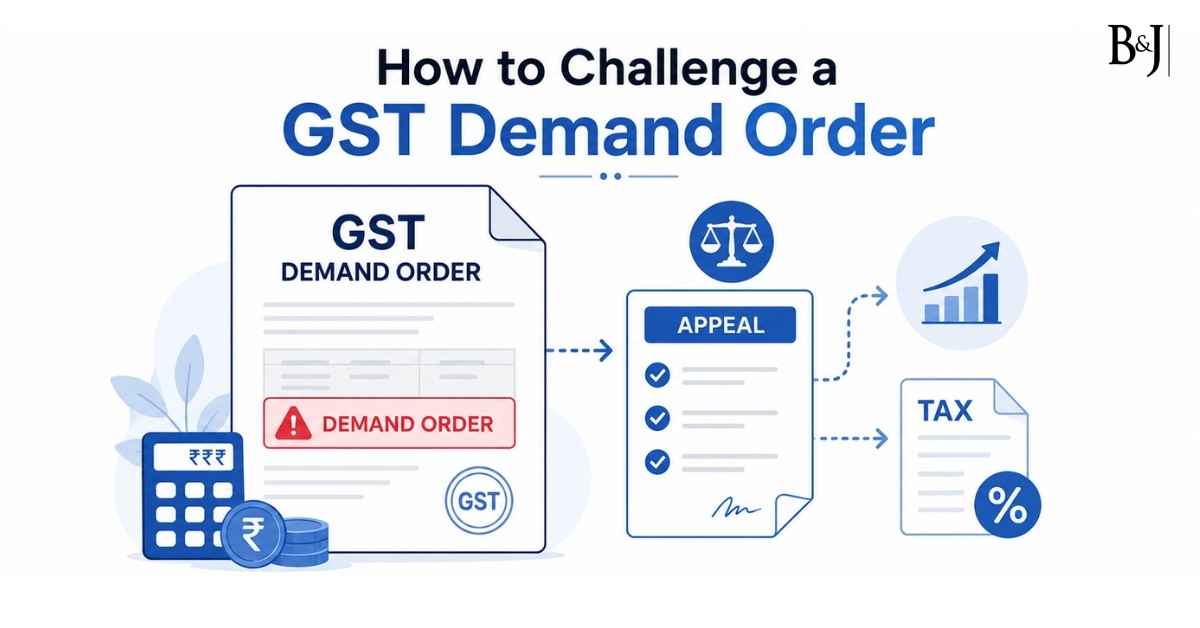
The GST appellate system provides taxpayers with structured mechanisms to challenge adverse orders passed by tax authorities. The appellate hierarchy consists of multiple tiers, each with specific jurisdiction and time limitations. The first appellate authority, typically the Commissioner (Appeals), hears appeals against orders passed by officers below the rank of Commissioner within three months of the order’s communication.
The Appellate Tribunal represents the second tier of appeal, entertaining cases against orders passed by the first appellate authority or specific orders by Commissioners under Section 107(6) of the CGST Act [5]. Appeals to the Tribunal must be filed within three months of receiving the impugned order, with provisions for one month’s condonation of delay in exceptional circumstances.
Higher judicial forums include High Courts and the Supreme Court, which hear appeals on substantial questions of law. High Court appeals must be filed within 180 days, while Supreme Court appeals require filing within 90 days of the High Court order.
Critical Time Limitations
The most critical aspect of GST appeals lies in strict adherence to prescribed time limits. Unlike some other legal provisions, GST appellate authorities have limited powers to condone delays beyond the specified condonation periods. After the one-month condonation period expires, appellate authorities cannot entertain appeals regardless of the genuineness of the reasons for delay.
This stringent approach has created significant challenges for taxpayers who may be unaware of orders passed against them, particularly in cases of ex-parte assessments. Many taxpayers have discovered adverse orders only when enforcement actions are initiated, by which time the appeal periods have expired, leaving them with no recourse except approaching High Courts under writ jurisdiction.
Strategic Considerations
Effective appeal management requires proactive monitoring of all proceedings and orders. Taxpayers should establish systems to track all notices, orders, and communications from tax authorities. Regular checking of the GST portal and maintaining updated contact information with tax authorities helps ensure timely receipt of important communications.
Professional representation by experienced tax lawyers or consultants becomes crucial in complex appellate proceedings. The technical nature of GST law and procedural requirements necessitates expert guidance to frame effective appeals and present compelling arguments before appellate authorities.
Input Tax Credit: Eligibility and Restrictions
Legal Framework for ITC
Input Tax Credit (ITC) represents one of the most significant features of the GST system, designed to eliminate the cascading effect of taxes by allowing businesses to claim credit for taxes paid on inputs used in their business operations. Section 16 of the CGST Act, 2017 prescribes the eligibility conditions and restrictions for claiming ITC [6].
The fundamental conditions for ITC eligibility include possession of valid tax invoices, receipt of goods or services, payment of consideration within 180 days, and filing of returns under Section 39. Additionally, the supplier must have filed their returns and declared the outward supply, with details being communicated to the recipient through the common portal.
Time Limitations and Compliance Requirements
Section 16(4) of the CGST Act imposes strict time limitations for claiming ITC. Taxpayers must claim ITC before the 30th of November following the financial year in which the invoice was issued, or before filing the annual return for that financial year, whichever is earlier [7]. This provision has created significant compliance challenges, particularly for businesses with complex supply chains or delayed invoice processing systems.
The 180-day payment rule under Section 16(2)(c) requires taxpayers to pay their suppliers within 180 days of invoice receipt; failing which, the claimed ITC must be reversed along with applicable interest. This provision has created cash flow challenges for many businesses and requires careful monitoring of payment schedules.
Common Pitfalls and Compliance Issues
Several issues commonly arise in ITC compliance that can result in penalties and interest charges. Non-payment of tax by suppliers automatically disqualifies the recipient from claiming ITC, even if the recipient had no knowledge of the supplier’s non-compliance. Cancellation of supplier registration retrospectively affects ITC claims, often discovered only during scrutiny or audit proceedings.
Mismatches between supplier and recipient data frequently occur due to timing differences in return filing, errors in invoice details, or system glitches. These mismatches can result in reversal of ITC claims and additional compliance requirements for reconciliation.
The eligibility restrictions under Section 17 of the CGST Act create additional complexity, particularly regarding blocked credits for personal use items, business promotion expenses, and certain capital goods. Taxpayers must carefully evaluate the business use of goods and services to determine ITC eligibility accurately.
E-way Bill Compliance and Penalties
Regulatory Framework
The e-way bill system, implemented as part of the GST regime, serves as an electronic document facilitating the movement of goods from one place to another. Rule 138 of the CGST Rules, 2017 mandates e-way bill generation for inter-state movement of goods worth more than Rs. 50,000, while intra-state thresholds vary by state notification [8].
The e-way bill contains essential details including invoice numbers, dates, values, quantities, HSN codes, transporter details, and vehicle numbers. This electronic documentation system enables tax authorities to monitor goods movement and ensure compliance with GST provisions throughout the supply chain.
Penalty Provisions and Enforcement
Non-compliance with e-way bill requirements attracts severe penalties under various sections of the CGST Act. Section 122 of the CGST Act prescribes penalties for general offences, including situations where goods are transported without proper e-way bills [9]. The penalty amount equals the greater of Rs. 10,000 or the tax amount sought to be evaded.
Section 129 of the CGST Act provides for detention, seizure, and release of goods transported in contravention of e-way bill rules. This section empowers tax officers to intercept conveyances and verify e-way bill compliance, with provisions for imposing penalties and collecting taxes on irregular movements.
However, judicial interpretations have clarified that minor errors in e-way bills should not attract penalties under Section 129. The Delhi High Court has ruled that inevitable technical errors should not be penalized, particularly when there is no intent to evade taxes.
Compliance Best Practices
Effective e-way bill compliance requires systematic processes for generation, updating, and cancellation of e-way bills. Businesses should establish clear protocols for different types of movements, including direct supplies, stock transfers, and job work arrangements. Integration of e-way bill generation with ERP systems helps ensure accuracy and reduces manual errors.
Regular training of personnel involved in logistics and transportation operations ensures proper understanding of e-way bill requirements. Monitoring of e-way bill validity periods and timely extensions for long-distance transportation prevents compliance issues during goods movement.
Additional Critical Compliance Areas
E-invoicing Requirements
The e-invoicing system mandates electronic generation of B2B invoices through the common portal for taxpayers with turnover exceeding prescribed thresholds. Currently applicable to taxpayers with annual turnover above Rs. 5 crores, e-invoicing aims to standardize invoice formats and reduce tax evasion through real-time validation.
The system generates unique Invoice Reference Numbers (IRN) for each invoice, which must be used for corresponding e-way bill generation. Non-compliance with e-invoicing requirements can result in penalties and difficulties in claiming input tax credit by recipients.
Business Promotion Expenses
Business promotion expenses present complex ITC eligibility issues under GST. Section 17(5)(h) of the CGST Act restricts ITC on goods or services used for advertisement, sponsorship, and similar activities. However, the scope of this restriction remains subject to interpretation, particularly regarding expenses that have dual purposes or indirect business benefits.
Taxpayers must carefully evaluate the primary purpose of promotional activities and maintain detailed documentation supporting their ITC positions. Professional advice becomes essential for determining eligibility in borderline cases.
Annual Return and Reconciliation
Section 44 of the CGST Act requires filing of annual returns in Form GSTR-9, along with reconciliation statements in Form GSTR-9C for taxpayers above specified turnover thresholds. These returns require detailed reconciliation between financial statements and GST returns, highlighting discrepancies and providing explanations for variations.
The annual return process often reveals compliance gaps and requires rectification of errors identified throughout the financial year. Taxpayers must maintain comprehensive records and conduct periodic reconciliations to ensure smooth annual return filing.
Conclusion
The GST regime, while simplifying India’s tax structure, has introduced complex compliance requirements that demand meticulous attention from taxpayers. Success in GST compliance requires understanding of legal provisions, implementation of robust internal controls, and proactive management of various compliance obligations.
Taxpayers must prioritize accuracy in return filing, timely claiming of input tax credit, proper e-way bill compliance, and vigilant monitoring of notices and orders from tax authorities. The interconnected nature of GST compliance means that errors in one area can cascade into multiple issues, making comprehensive compliance management essential.
Professional guidance from qualified tax consultants, implementation of technology-enabled compliance systems, and regular training of personnel involved in GST processes significantly enhance compliance effectiveness. As the GST system continues to evolve, staying updated with regulatory changes and judicial interpretations becomes crucial for maintaining compliance and avoiding penalties.
The critical issues discussed in this analysis represent the most challenging aspects of GST compliance that require immediate attention from taxpayers. By understanding these issues and implementing appropriate preventive measures, businesses can navigate the GST landscape successfully while minimizing compliance risks and associated costs.
References
[1] The Central Goods and Services Tax Act, 2017.
[2] ClearTax. (2025). GST SOP on GST returns scrutiny for FY 2019-20, 2018-2019 and FY 2017-2018. Available at: https://cleartax.in/s/gst-sop-on-gst-returns-scrutiny-for-fy-2017-2018-fy-2018-2019
[3] ClearTax. (2025). Audit under GST- When You Might Get Audited by Tax Officers? Available at: https://cleartax.in/s/audit-under-gst
[4] SAG Infotech. (2025). Scrutiny of GST Returns Under Section 61 of the CGST Act. Available at: https://blog.saginfotech.com/scrutiny-gst-returns-section-61-cgst-act
[5] TaxGuru. (2023). New Guidelines For Scrutiny of GST Returns. Available at: https://taxguru.in/goods-and-service-tax/guidelines-scrutiny-gst-returns.html
[6] ClearTax. (2024). Input Tax Credit under GST – Conditions To Claim. Available at: https://cleartax.in/s/input-tax-credit-under-gst
[7] ClearTax. (2024). Section 16(4) of CGST Act: Time Limit for Availing Input Tax Credit. Available at: https://cleartax.in/s/section-16-4-of-cgst-act
[8] CaptainBiz. (2025). E-Way Bill in GST: Compliance & Penalties. Available at: https://www.captainbiz.com/blogs/e-way-bill-penalty-in-gst-compliance-and-consequences
[9] ClearTax. (2025). Section 122 of the CGST Act: Penalties and Offences. Available at: https://cleartax.in/s/section-122-of-cgst-act-penalties-offences