 Whatsapp

The Fault-Based Divide: When Demurrage and Detention Waiver under HCCAR 2009 & SCMTR 2018 Are Granted — and When They Are Refused
A Case Law Digest of the Key Judicial Tests Under HCCAR 2009 and SCMTR 2018 Introduction The demurrage and detention waiver regime under Indian customs law is not a blanket entitle
SCMTR 2018, Regulation 10(1)(l): The Authorized Carrier’s Obligation to Waive Container Detention Charges
Introduction When imported goods arrive at an Indian port and the shipping line detains or holds containers for customs verification, importers often face container detention charg
HCCAR 2009, Regulation 6(1)(l): The CCSP’s Mandatory Obligation to Waive Demurrage on Seized Goods
Introduction Of all the provisions that protect importers from unjust financial losses caused by customs investigations, Regulation 6(1)(l) of the Handling of Cargo in Customs Area
Section 69 of the Customs Act, 1962: Re-Exporting Warehoused Goods Without Paying Import Duty
Introduction Section 69 of the Customs Act, 1962 is one of the most important but least understood provisions in Indian customs law. It enables an importer to re-export goods that
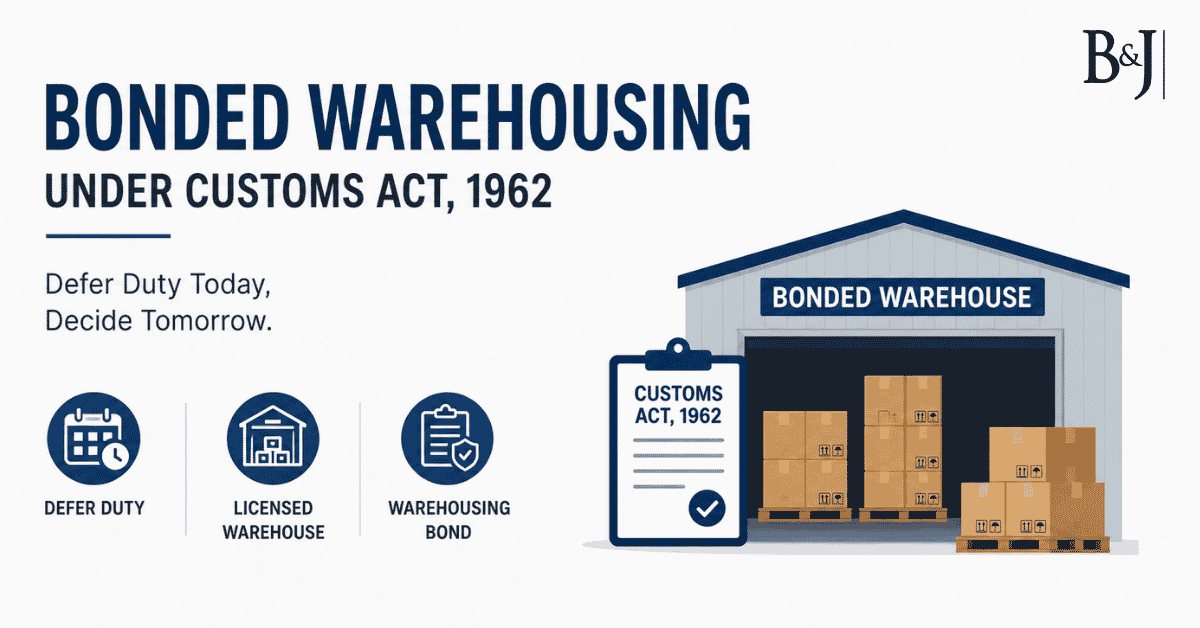
Bonded Warehousing Under the Customs Act, 1962
A Complete Guide to Sections 57, 58, 58A, 59 and the Warehousing Regime Introduction India’s customs law provides importers with a powerful facility: the ability to store imp

What Happens When Your Goods Arrive at an Indian Port? Demurrage and Detention Charges in India Explained
Introduction Every year, millions of consignments arrive at India’s seaports, airports, and inland container depots. For most importers — especially those new to internatio
Drugs and Cosmetics Act 1940 to 2025: Compounding Rules, Decriminalisation & Enforcement Shift in India
ABSTRACT The Drugs and Cosmetics Act, 1940 was enacted with a clearly deterrent purpose: to protect the Indian public from substandard and spurious drugs by imposing criminal liabi
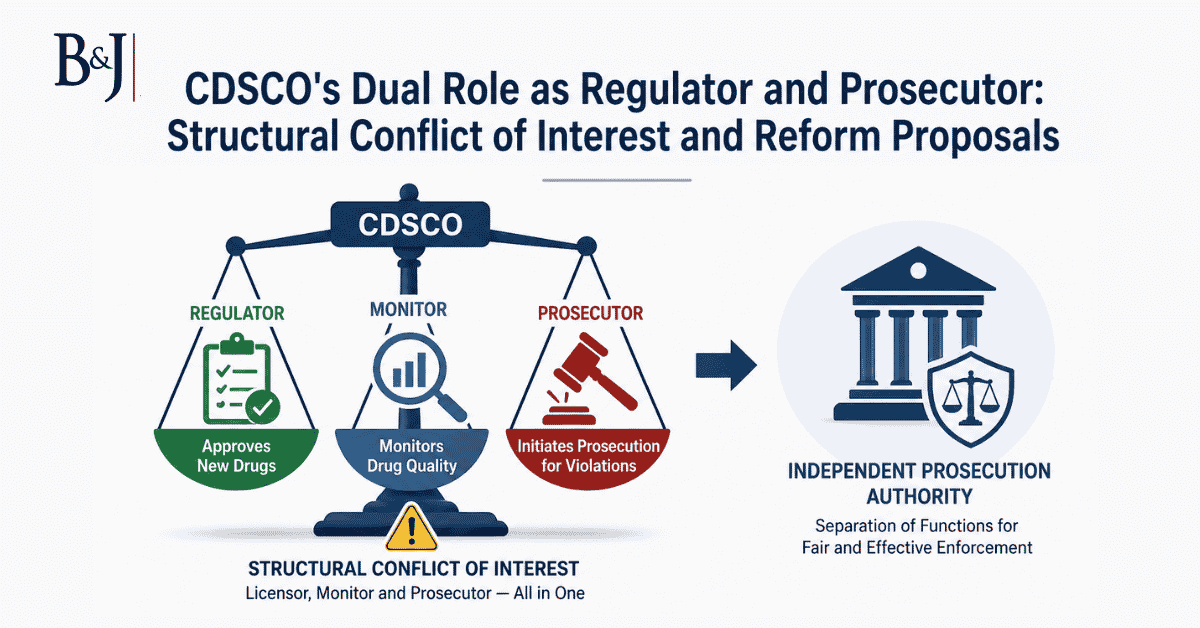
CDSCO’s Dual Role as Regulator and Prosecutor: Structural Conflict of Interest and Reform Proposals
ABSTRACT The Central Drugs Standard Control Organisation (CDSCO) occupies an unusual institutional position in India’s regulatory landscape: it is simultaneously the authorit
Strict Liability Offences Under the Drugs and Cosmetics Act, 1940: Are India’s Courts Adequately Enforcing Them?
ABSTRACT The Drugs and Cosmetics Act, 1940 creates strict liability offences for the manufacture and sale of not-of-standard-quality (NSQ) drugs. Parliament deliberately excluded t

Section 33P of the Drugs and Cosmetics Act: India’s Unused Instrument for Uniform Drug Law Enforcement
ABSTRACT Section 33P of the Drugs and Cosmetics Act, 1940 empowers the Central Government to give binding directions to State Governments for carrying into execution any provision
