 Whatsapp

NDPS Bail: Section 37 Conditions Explained
Bail under the Narcotic Drugs and Psychotropic Substances Act, 1985 (NDPS Act) follows stricter rules than ordinary criminal law. While bail is generally the rule, NDPS bail can be
How to Quash a 498A FIR in Gujarat
The offence of cruelty by a husband or his relatives was governed by Section 498A of the Indian Penal Code, 1860. For offences committed on or after 1 July 2024, the corresponding

Quashing an FIR on Compromise or Settlement
Parties settle. A commercial dispute is resolved, a matrimonial matter ends in divorce by mutual consent, or a neighbourhood quarrel is amicably settled — yet the criminal case m
Can an FIR be Quashed After the Chargesheet is Filed?
Yes. Quashing an FIR after a charge sheet is filed is still possible. The filing of a charge sheet does not take away the High Court’s inherent power to quash criminal proceeding
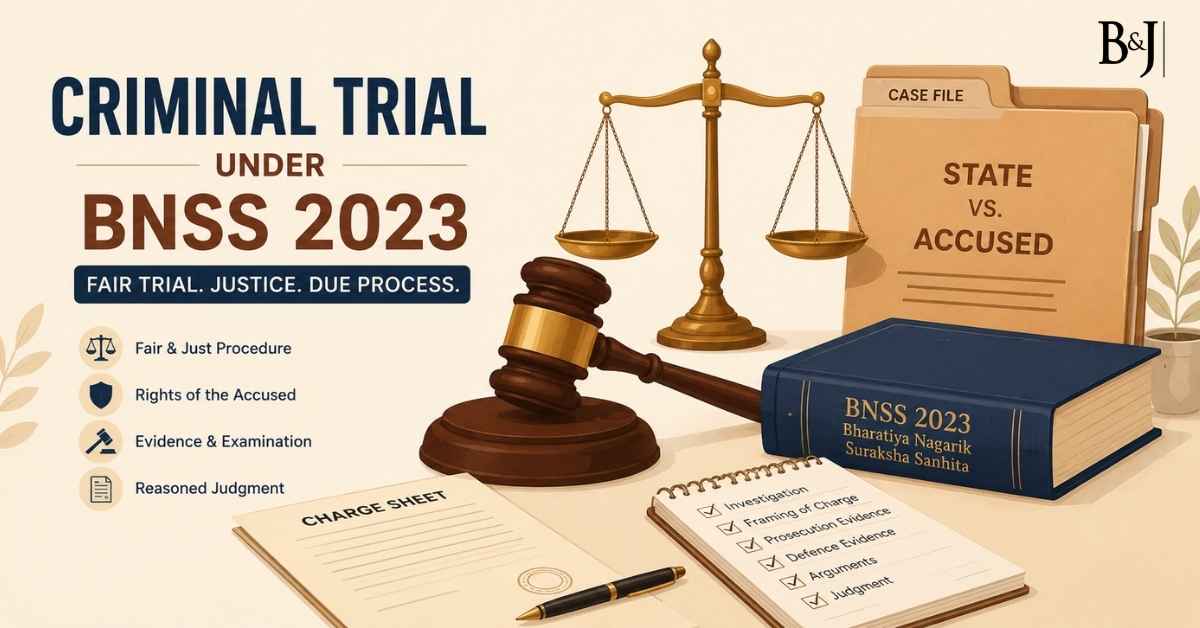
Stages of a Criminal Trial under BNSS 2023
On 1 July 2024, the Bharatiya Nagarik Suraksha Sanhita, 2023 (BNSS) replaced the Code of Criminal Procedure, 1973 (CrPC) as India’s primary criminal procedure law. While the basi

Criminal Appeals in Gujarat: From Sessions Court to High Court Under Section 415 BNSS
Executive Summary The right of a convicted person to challenge a judgment and sentence before a superior court is among the most fundamental procedural guarantees in any system of
Abetment of Suicide under Section 108 BNS: Ingredients, Proof Standards and Evidentiary Value of a Suicide Note
Introduction: From Section 306 IPC to Section 108 BNS The Bharatiya Nyaya Sanhita, 2023 (BNS) came into force on 1 July 2024, and Section 108 BNS substantially carries forward the
Bharatiya Nyaya Sanhita (BNS), 2023 Vs. Indian Penal Code (IPC), 1860: A Section-Wise Comparative Analysis Of Key Substantive Changes (Updated 2026)
Introduction: The Decolonisation Of Indian Substantive Law On July 1, 2024, the Indian penal landscape underwent a historic transformation with the enforcement of the Bharatiya Nya
Bharatiya Nagarik Suraksha Sanhita (Bnss), 2023 Vs. Code Of Criminal Procedure (Crpc), 1973: A Comprehensive Statutory And Procedural Comparison (Updated 2026)
Introduction: The Shift In India’s Criminal Justice Architecture The enactment and enforcement of the Bharatiya Nagarik Suraksha Sanhita, 2023 (BNSS), effective July 1, 2024, mar
Special Appeal Provisions in the NIA Act and SC/ST Act: Legislative History, Statutory Architecture, and Landmark Jurisprudence
1. Introduction: Two Provisions, One Common Logic Indian criminal procedure rests on a settled appellate hierarchy. The Bharatiya Nagarik Suraksha Sanhita (BNSS), 2023 — and its
