Whatsapp

Applicability of Insolvency and Bankruptcy Code to Section 8 Companies: Legal Framework and Judicial Analysis
Introduction
The Insolvency and Bankruptcy Code, 2016 (IBC) has fundamentally transformed India’s approach to corporate insolvency, establishing a unified framework for the resolution of financially distressed entities [1]. However, the application of this legislation to charitable companies incorporated under Section 8 of the Companies Act, 2013 presents unique legal and practical challenges that warrant detailed examination. These non-profit entities, established for promoting charitable objectives such as education, social welfare, and environmental protection, operate under distinct regulatory frameworks that differ significantly from commercial enterprises.
The intersection of insolvency law with charitable company regulations raises critical questions about the appropriateness of applying commercial resolution mechanisms to entities that fundamentally operate without profit motives. While the literal interpretation of statutory provisions suggests that Section 8 companies fall within the ambit of the IBC, the practical implications of subjecting charitable organizations to corporate insolvency resolution processes require careful consideration of their unique organizational structures and objectives.
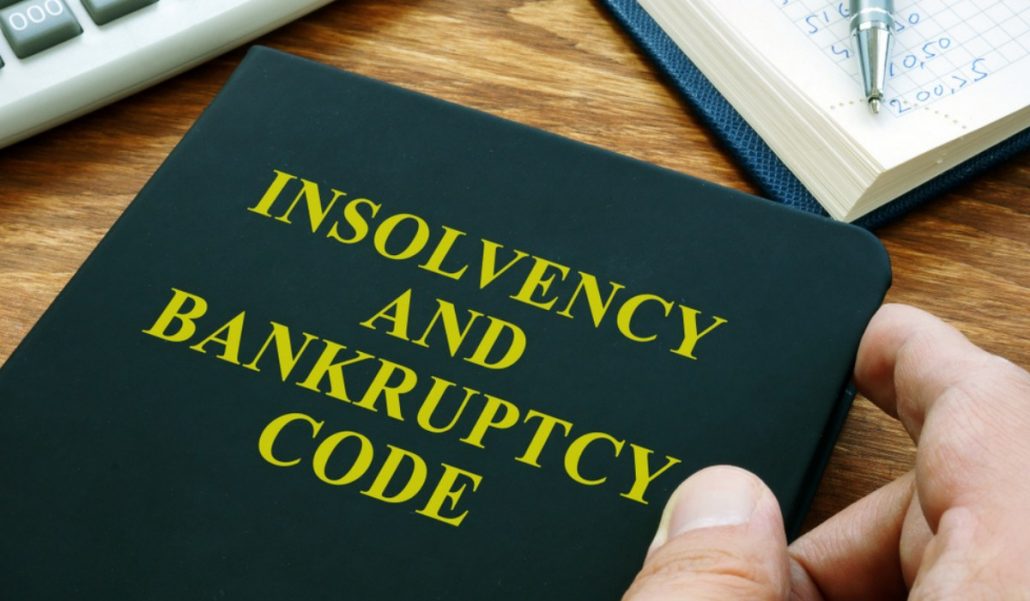
Understanding the Legal Framework and Judicial Interpretations for Section 8 Companies under Companies Act, 2013
Legal Framework Governing Section 8 Companies
Constitutional and Statutory Foundation of Section 8 Companies
Section 8 of the Companies Act, 2013 establishes the legal framework for incorporating companies with charitable objectives [2]. This provision states that where it is proved to the satisfaction of the Central Government that a company is formed for promoting commerce, art, science, sports, education, research, social welfare, religion, charity, protection of environment or any such other object, and the company intends to apply its profits, if any, or other income in promoting its objects, the Central Government may license the company under this section.
The fundamental characteristics of Section 8 companies distinguish them from ordinary commercial entities. These organizations are prohibited from paying dividends to their members, and any profits generated must be utilized exclusively for promoting their stated charitable objectives. The regulatory oversight of these entities involves multiple layers of approval and monitoring, including initial licensing by the Central Government and ongoing compliance requirements that ensure adherence to their charitable purposes.
Distinctive Features and Regulatory Framework
Section 8 companies operate under a unique governance structure that reflects their non-profit nature. Unlike commercial companies, they may not have traditional share capital structures, and their membership is often based on contributions toward charitable objectives rather than financial investments seeking returns. The dissolution of such entities is also governed by specific provisions that ensure any remaining assets are transferred to similar charitable organizations rather than being distributed among members.
The regulatory framework governing these entities includes provisions for revocation of licenses if companies fail to comply with their charitable objectives or engage in activities contrary to their stated purposes. This regulatory mechanism ensures that the tax exemptions and other benefits accorded to these entities are not misused for commercial gain.
Insolvency and Bankruptcy Code: Scope and Applicability
Definition of Corporate Person under IBC
The Insolvency and Bankruptcy Code, 2016 defines “corporate person” under Section 3(7) to include a company as defined in clause (20) of Section 2 of the Companies Act, 2013 [3]. This definition encompasses all companies incorporated under the Companies Act, irrespective of their specific classification or objectives. The broad language of this provision suggests that Parliament intended to include all corporate entities within the scope of insolvency proceedings, without creating specific exemptions for charitable organizations.
Section 2(20) of the Companies Act, 2013 defines “company” as any company incorporated under the Act or under any previous company law, which would include Section 8 companies. Furthermore, Section 2(1)(a) of the IBC provides that the Code shall apply to “any company incorporated under the Companies Act, 2013 or under any previous company law,” reinforcing the inclusive nature of the legislation.
Exclusions and Limitations of IBC for Section 8 Companies
While the IBC contains certain exclusions for specific types of entities, such as financial service providers and certain government companies, Section 8 companies are not explicitly excluded from its ambit. The absence of specific exclusionary language in the statute suggests that charitable companies are subject to insolvency proceedings under the Code, though this interpretation has generated considerable debate among legal practitioners and scholars.
The practical application of insolvency proceedings to charitable entities raises questions about the appropriateness of commercial resolution mechanisms for organizations that operate without profit motives and may lack traditional assets or revenue streams that could be reorganized or liquidated in conventional insolvency proceedings.
Judicial Interpretation and Case Law Analysis
Phoenix ARC Private Limited vs Kerala Chamber of Commerce and Industries
The National Company Law Tribunal, Kochi Bench, addressed the applicability of the IBC to Section 8 companies in the case of Phoenix ARC Private Limited vs Kerala Chamber of Commerce and Industries [4]. In this matter, the corporate debtor was a Section 8 charitable company that had defaulted on loan payments, which were subsequently classified as Non-Performing Assets (NPAs).
The Tribunal observed that the Memorandum of Association of the corporate debtor contained specific provisions authorizing the company to borrow money for construction purposes, which in this case related to the construction of the Kerala Trade Centre. The NCLT held that despite the charitable nature of the corporate debtor, it remained liable for its financial obligations and could be subject to insolvency proceedings under the IBC.
This judgment established an important precedent by confirming that Section 8 companies are not immune from insolvency proceedings merely by virtue of their charitable status. The Tribunal emphasized that the ability to borrow funds and incur debts brings with it corresponding legal obligations that must be honored regardless of the entity’s charitable objectives.
M/s. Educomp Infrastructure & School Management Ltd vs Millennium Education Foundation
The NCLT Delhi Bench further clarified the position regarding Section 8 companies in M/s. Educomp Infrastructure & School Management Ltd vs Millennium Education Foundation [5]. This case involved a Section 8 company engaged in educational activities that had defaulted on operational debt payments to the applicant.
The Tribunal held that the chairman of the monitoring committee possessed proper authority to represent the corporate debtor in the insolvency application. More significantly, the NCLT determined that the corporate debtor was indeed in default of payment of outstanding operational debt owed to the applicant. The Tribunal’s analysis focused on the clear statutory language of the IBC, which includes all companies incorporated under the Companies Act within its definition of corporate persons.
The judgment emphasized that the charitable nature of the corporate debtor’s objectives did not exempt it from the legal consequences of financial default. The NCLT observed that Section 8 companies, despite their non-profit status, enter into commercial transactions and incur financial obligations in pursuit of their charitable objectives, and these obligations must be subject to the same legal framework that governs other corporate entities.
Broader Judicial Trends
The consistent judicial approach across different NCLT benches indicates a clear interpretation that Section 8 companies fall within the purview of the IBC. Courts have focused on the plain language of the statute rather than creating judicial exemptions based on the charitable nature of these entities. This approach reflects the principle that legal obligations arise from contractual relationships and statutory provisions rather than from the underlying purposes or objectives of the contracting parties.
However, the judiciary has also recognized the unique challenges posed by applying commercial insolvency mechanisms to charitable organizations. Some judgments have noted the complexity of resolution processes for entities that may lack traditional assets or revenue streams, suggesting the need for specialized approaches or legislative amendments to address these challenges effectively.
Regulatory Challenges and Practical Implications of Section 8 Companies
Asset Structure and Resolution Complexities
The application of insolvency proceedings to Section 8 companies presents unique challenges related to their asset structures and operational frameworks. Unlike commercial entities that typically maintain substantial tangible assets and revenue-generating operations, charitable companies may possess limited assets that are often dedicated to specific charitable purposes and cannot be easily liquidated or transferred.
Many Section 8 companies operate with minimal capital structures, relying instead on donations, grants, and voluntary contributions to fund their activities. This funding model creates difficulties in traditional insolvency resolution processes, which are designed to maximize recoveries for creditors through asset sales or operational restructuring. The absence of conventional revenue streams and the dedicated nature of charitable assets complicate the development of viable resolution plans.
Furthermore, the beneficiaries of charitable companies are often the general public or specific disadvantaged groups rather than shareholders or members who might have economic interests in the entity’s continuation or liquidation. This stakeholder structure creates additional complexities in determining the appropriate course of action during insolvency proceedings.
Regulatory Oversight and Compliance Issues
Section 8 companies operate under multiple layers of regulatory oversight that may conflict with insolvency proceedings. The Central Government’s licensing authority over these entities, combined with specific compliance requirements related to their charitable objectives, creates potential jurisdictional issues when insolvency proceedings are initiated.
The revocation of Section 8 licenses during insolvency proceedings could render the entity’s continued operation legally impossible, even if a viable resolution plan is developed. This regulatory complexity suggests the need for coordination between insolvency professionals and regulatory authorities to ensure that resolution processes do not inadvertently violate the legal frameworks governing charitable organizations.
Additionally, the tax exemptions and other benefits accorded to Section 8 companies may be jeopardized during insolvency proceedings, particularly if resolution plans involve changes to the entity’s objectives or operational structure. These regulatory implications must be carefully considered when developing resolution strategies for charitable companies.
International Perspectives and Comparative Analysis of Charitable Insolvency
United States Bankruptcy Code
The United States Bankruptcy Code provides interesting comparative insights into the treatment of charitable organizations in insolvency proceedings. American law exempts charitable companies from involuntary bankruptcy proceedings initiated by creditors, recognizing the unique public interest served by these entities [6]. However, this protection has been criticized by some scholars who argue that it may shield fraudulent fiduciaries from creditor oversight and accountability.
The American approach reflects a policy decision to prioritize the continuity of charitable services over creditor rights in certain circumstances. This framework acknowledges that the failure of charitable organizations may have broader social implications that justify different treatment from commercial enterprises.
European Union Frameworks
European Union member states employ varied approaches to charitable organization insolvency, with some jurisdictions providing specific protections for entities serving public purposes while others apply general insolvency laws without distinction. These diverse approaches reflect different policy priorities regarding the balance between creditor protection and the preservation of charitable services.
The German insolvency framework, for example, includes specific provisions for non-profit organizations that consider their unique stakeholder structures and operational objectives. These specialized procedures attempt to preserve the charitable mission while addressing creditor claims through modified resolution processes.
Policy Considerations and Reform Proposals for Section 8 Companies under IBC
Need for Specialized Procedures
The application of standard corporate insolvency procedures to Section 8 companies highlights the need for specialized mechanisms that address the unique characteristics of charitable organizations. These procedures should consider the non-profit nature of these entities, their public service mandates, and the potential social impact of their failure or dissolution.
Proposed reforms include the development of specialized resolution procedures for charitable companies that prioritize the preservation of charitable services while ensuring fair treatment of creditors. Such procedures might involve expedited processes for transferring charitable operations to other qualified organizations or the development of hybrid resolution mechanisms that combine elements of insolvency law with charitable regulation.
Stakeholder Protection Mechanisms
The current legal framework provides limited protection for the ultimate beneficiaries of charitable companies during insolvency proceedings. Unlike commercial entities where shareholders have defined rights and interests, the beneficiaries of charitable services lack formal legal standing in insolvency proceedings despite being significantly affected by the outcomes.
Reform proposals suggest the creation of stakeholder representation mechanisms that ensure the voices of charitable beneficiaries are heard during resolution proceedings. These mechanisms might include the appointment of public interest representatives or the establishment of consultation procedures that consider the broader social implications of resolution decisions.
Regulatory Coordination Framework
The intersection of insolvency law with charitable regulation requires enhanced coordination mechanisms between different regulatory authorities. The current framework lacks clear guidance on how insolvency professionals should navigate the complex regulatory environment governing Section 8 companies.
Proposed solutions include the development of inter-agency coordination protocols that ensure regulatory compliance throughout insolvency proceedings and the creation of specialized training programs for insolvency professionals dealing with charitable organizations.
Contemporary Developments and Future Outlook for Section 8 Companies
Recent Judicial Trends
Recent decisions by various NCLT benches continue to affirm the applicability of the IBC to Section 8 companies while acknowledging the practical challenges involved. Courts have increasingly emphasized the need for specialized expertise when handling these cases and have called for legislative clarity regarding the treatment of charitable assets and regulatory compliance during insolvency proceedings [7].
The emerging judicial consensus suggests that while Section 8 companies are subject to insolvency proceedings, the resolution process must be tailored to their unique characteristics and regulatory requirements. This approach represents a pragmatic balance between legal consistency and practical necessity.
Legislative and Regulatory Initiatives
The Insolvency and Bankruptcy Board of India has begun developing guidance materials for insolvency professionals handling cases involving charitable organizations. These initiatives aim to provide practical frameworks for navigating the complex regulatory environment while ensuring effective resolution outcomes [8].
Additionally, there have been discussions regarding potential amendments to the IBC that would create specific procedures for Section 8 companies. These proposed changes reflect growing recognition that the one-size-fits-all approach of current insolvency law may not be optimal for all types of corporate entities.
Conclusion and Recommendations for Charitable Companies in Insolvency
The legal analysis confirms that Section 8 companies fall within the statutory definition of corporate persons under the Insolvency and Bankruptcy Code, 2016, making them subject to insolvency proceedings despite their charitable nature. The judicial interpretation has consistently upheld this position, emphasizing that charitable objectives do not exempt organizations from their legal and financial obligations.
However, the practical application of insolvency proceedings to charitable companies reveals significant challenges that require specialized approaches and potentially legislative reforms. The unique asset structures, stakeholder configurations, and regulatory frameworks governing these entities necessitate modification of standard insolvency procedures to ensure effective and appropriate resolution outcomes.
The government and regulatory authorities should consider developing specialized frameworks for handling Section 8 company insolvencies that balance creditor rights with the preservation of charitable services and public interest considerations. Such frameworks should include enhanced coordination mechanisms between regulatory authorities, specialized training for insolvency professionals, and stakeholder representation procedures that account for the broader social impact of charitable organization failures.
Furthermore, the legal framework should clarify the treatment of charitable assets, regulatory compliance requirements, and license preservation during insolvency proceedings to provide certainty and guidance for all stakeholders involved. These reforms would help ensure that the insolvency system serves its intended purpose of efficient dispute resolution while recognizing the unique characteristics and social importance of charitable organizations.
References
[1] Insolvency and Bankruptcy Code, 2016, No. 31 of 2016
[2] Companies Act, 2013, No. 18 of 2013, Section 8, https://www.mca.gov.in/Ministry/pdf/CompaniesAct2013.pdf
[3] Insolvency and Bankruptcy Code, 2016, Section 3(7)
[4] Phoenix ARC Private Limited vs Kerala Chamber of Commerce and Industries, NCLT Kochi,
[5] M/s. Educomp Infrastructure & School Management Ltd vs Millennium Education Foundation, NCLT Delhi,
[6] “Are charitable (Section 8) companies covered under the IBC?”, SCC Times, https://www.scconline.com/blog/post/2021/05/30/are-charitable-section-8-companies-covered-under-the-ibc-should-they-be-covered-therein/
[7] Application By Chairman Of Monitoring Committee For CIRP Of Corporate Debtor’s Debtor, Maintainable: NCLT Delhi, LiveLaw, https://www.livelaw.in/news-updates/national-company-law-tribunal-nclt-insolvency-and-bankruptcy-code-educomp-infrastructure-school-management-ltd-corporate-insolvency-resolution-process-cirp-corporate-debtor-201790
[8] Insolvency and Bankruptcy Board of India, Official Website, https://ibbi.gov.in/
[9] National Company Law Tribunal, Official Website, https://nclt.gov.in/

Advocate Aaditya Bhatt
Senior Standing Counsel Income Tax Department, Advocate Gujarat High Court. Aaditya combines his technical and legal expertise to deliver strategic counsel in litigation, constitutional, and regulatory matters. He represents clients before High Courts and Tribunals with a technology-driven approach.