 Whatsapp


Pension Lawyer India | PFRDA, NPS, EPF, Family Pension
The pension sector in India has undergone significant reforms in recent years to provide social security to citizens in their old age. With a growing ageing population and increasing life expectancy, the need for pension schemes has become more critical than ever. In this article, we will provide a sectoral overview of the pension sector in India, including its regulatory framework, laws, and regulations governing the sector.
Bhatt & Joshi Associates being a leading law firm providing legal services to clients in various sectors, including the pension sector, also assists their clients with the various services in the pension sector, like compliance with PFRDA regulations, Structuring and drafting pension schemes, Advising clients on legal and regulatory compliance, representing clients before regulatory authorities and appellate tribunals and provide litigation support in Pension Sector.
Regulatory Framework
The pension sector in India is regulated largely regulated by the Pension Fund Regulatory and Development Authority (PFRDA) and the Ministry of Finance. The pension sector in India is regulated by the Pension Fund Regulatory and Development Authority (PFRDA). It is an autonomous body established under the PFRDA Act, 2013, with the aim of promoting and regulating the pension industry in India. Additionally, the Insurance Regulatory and Development Authority of India (IRDAI) regulates pension products offered by insurance companies, such as annuity plans and pension plans.
Overall, the regulation of the pension sector in India is aimed at ensuring the safety and security of pension funds, providing transparency to subscribers, and promoting the growth of the pension industry in the country.
Role of PFRDA
PFRDA is the primary regulatory body for the pension sector in India. It was established under the Pension Fund Regulatory and Development Authority Act, 2013. The primary responsibilities of PFRDA:
- The PFRDA is responsible for the regulation of the National Pension System (NPS), which is a defined contribution pension scheme for employees in the public, private and unorganized sectors. The NPS was launched in 2004 and has been gradually extended to all citizens of India. It is a market-linked scheme, with investments made in equity, corporate bonds, government securities and other eligible instruments.
- The PFRDA is also responsible for regulating other pension schemes, such as the Atal Pension Yojana (APY), which is a government-backed scheme targeted at unorganized sector workers, and the Employees' Provident Fund (EPF), which is a defined benefit scheme for employees in the organized sector.
- The PFRDA sets out regulations and guidelines for pension fund managers, custodians, and other entities involved in the pension industry. It also monitors the performance of pension funds, ensures compliance with investment guidelines, and takes measures to protect the interests of pension subscribers.
- The PFRDA works towards Regulating and developing pension schemes in India and also for Registering and regulating pension funds and other entities involved in the pension sector
- The PFRDA works towards Promoting and increasing awareness of pension schemes among citizens
- The PFRDA works towards Developing and regulating the National Pension System (NPS)
National Pension System (NPS)
NPS is a voluntary defined contribution pension scheme introduced by the Government of India. It is regulated by PFRDA and is available to all Indian citizens. The scheme offers two types of accounts – Tier I and Tier II.
- Tier I account is a mandatory account for all subscribers, and withdrawals from the account are restricted until the subscriber reaches the age of 60 years. On retirement, the subscriber can withdraw up to 60% of the accumulated corpus as a lump sum, and the remaining 40% is used to purchase an annuity.
- Tier II account is a voluntary account that allows subscribers to withdraw funds anytime without any restrictions.
TRANSITION FROM OLD PENSION SCHEME TO NEW PENSION SCHEME
- The Old Pension Scheme was the pension system that was prevalent in India prior to the introduction of the New Pension Scheme (NPS) in 2004. Under the Old Pension Scheme, government employees were entitled to a defined benefit pension, which was calculated based on their length of service and the average salary earned during the last few years of service. The scheme was based on a pay-as-you-go model, where current employees’ contributions were used to pay the pensions of retired employees.
- The Old Pension Scheme had several drawbacks, including a lack of portability, insufficient funds, and unsustainable financial burdens. The scheme was also criticized for being biased in favor of government employees, who were guaranteed a pension even in cases of poor performance, absenteeism, or indiscipline. The scheme was further criticized for being unfriendly to young employees who had just joined the workforce, as it provided very little retirement benefits to them.
- To address these issues, the Indian government introduced the New Pension Scheme in 2004, which was later renamed the National Pension Scheme (NPS). The NPS is a defined contribution pension scheme that is open to all Indian citizens, including government employees, private sector employees, and the self-employed. Under the NPS, the retirement benefit is based on the contributions made by the employee, along with the investment returns generated on those contributions.
- The introduction of the NPS was a significant step towards reforming India's pension sector. It has helped to address some of the concerns related to the Old Pension Scheme, such as lack of portability and insufficient funds. It has also enabled young employees to start investing in their retirement early in their careers, and it provides them with the flexibility to choose their investment options and fund managers.
- However, the transition from the Old Pension Scheme to the NPS was not smooth, and it faced several challenges. One of the main challenges was resistance from government employees who were accustomed to the guaranteed pension benefit provided by the Old Pension Scheme. The government had to address these concerns by providing some concessions to the employees, such as a guarantee of minimum returns on investments made in the NPS.
- Overall, the transition from the Old Pension Scheme to the New Pension Scheme was a necessary step towards reforming India's pension sector. The NPS has helped to make the pension system more sustainable, flexible, and inclusive. It has also paved the way for further reforms, such as the proposed introduction of a universal social security system in India.
Other Pension Schemes in India
Apart from NPS, various other pension schemes are available to citizens, including:
- Employees' Provident Fund (EPF)
- Public Provident Fund (PPF)
- Atal Pension Yojana (APY)
- Pradhan Mantri Shram Yogi Maan-dhan (PMSYM)
- National Pension Scheme for Traders and Self-Employed Persons (NPS-Traders)
Laws and Regulations
The pension sector in India is governed by various laws and regulations, including:
- Pension Fund Regulatory and Development Authority Act, 2013
- Employees' Provident Funds and Miscellaneous Provisions Act, 1952
- Insurance Regulatory and Development Authority Act, 1999
- Securities and Exchange Board of India Act, 1992
- Income Tax Act, 1961
Conclusion
The pension sector in India is rapidly evolving, and the government is taking various initiatives to promote and develop the sector. With the increasing need for social security in old age, the demand for pension schemes is only going to grow in the future. Bhatt & Joshi Associates can provide quality legal services to clients in this sector by providing expert advice on legal and regulatory compliance, representing clients before regulatory authorities, tribunals, the High Court and the Supreme Court of India and assisting with pension scheme structuring and drafting.
Equal justice under law is not merely a caption on the facade of the Supreme Court building, it is perhaps the most inspiring ideal of our society.
Our Publications




Get in touch with Best Government Job Lawyers in Ahmedabad
Frequently asked questions
1. When should I consider hiring a civil lawyer?
You should consider hiring a civil lawyer when facing legal disputes related to contracts, property, personal injury, family matters, or any non-criminal matter where you need legal advice or representation.
2. What is a civil lawyer?
A civil lawyer represents clients in non-criminal legal matters, dealing with disputes between individuals, organizations, or both, over rights, responsibilities, and liabilities.
3. Can a civil lawyer help with contract disputes?
Yes, one of the primary areas of expertise for many civil lawyers is contract law. They can assist with drafting, reviewing, and disputing the terms of contracts.
4. How do civil lawyers differ from criminal lawyers?
While both handle legal disputes, civil lawyers focus on non-criminal cases, often involving private disputes between individuals or organizations. Criminal lawyers, on the other hand, represent individuals or the state in cases involving potential criminal penalties.
5. How are damages determined in civil cases?
Damages are determined based on the actual loss suffered, potential future losses, and sometimes, punitive measures. The nature and amount depend on the specifics of the case and jurisdictional guidelines.
6. What is the usual process of a civil lawsuit?
The typical process involves the filing of a complaint, response from the other party, discovery (exchange of relevant information), negotiations, potential settlement discussions, and if unresolved, a trial. The exact process can vary by jurisdiction.
7. Can a civil lawyer assist in mediation or alternative dispute resolution?
Yes, many civil lawyers are trained in alternative dispute resolution methods like mediation and arbitration, offering solutions outside the traditional courtroom setting.
8. How long does a typical civil lawsuit last?
The duration of a civil lawsuit varies based on the case’s complexity, the court’s schedule, and the willingness of parties to settle. It can range from a few months to several years.

Section 11: Appointment of an Arbitrator by the Court
An arbitration agreement is only effective when it leads to a properly constituted arbitral tribunal
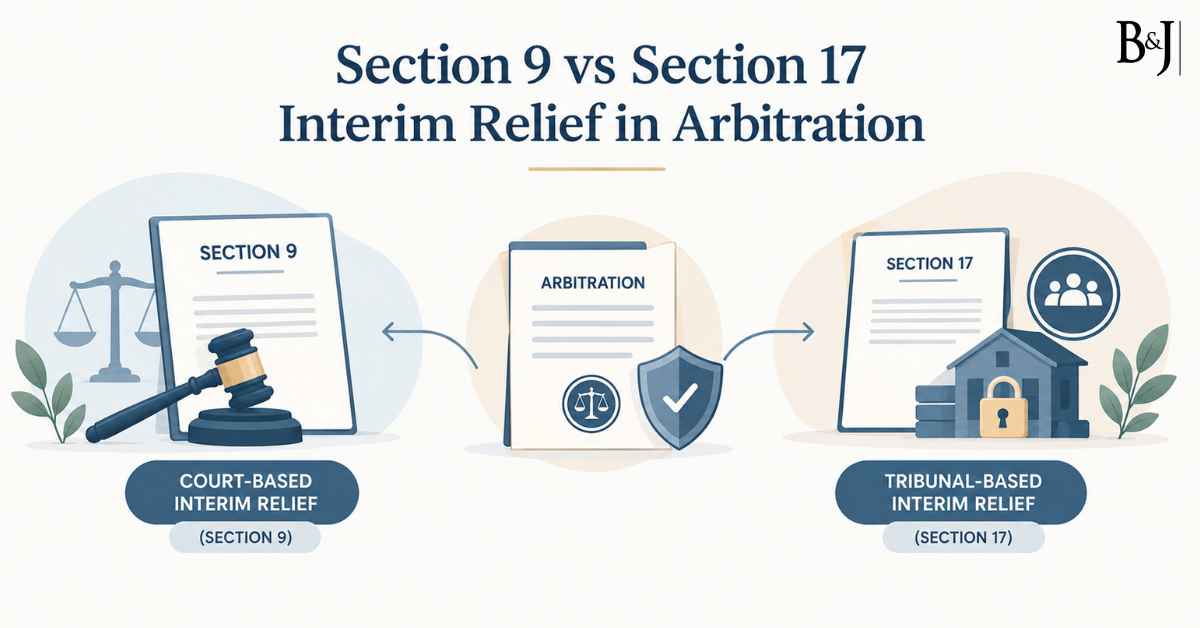
Section 9 vs Section 17 Interim Relief in Arbitration
Arbitration can take time, and during that period, assets may be dissipated, goods disposed of, bank
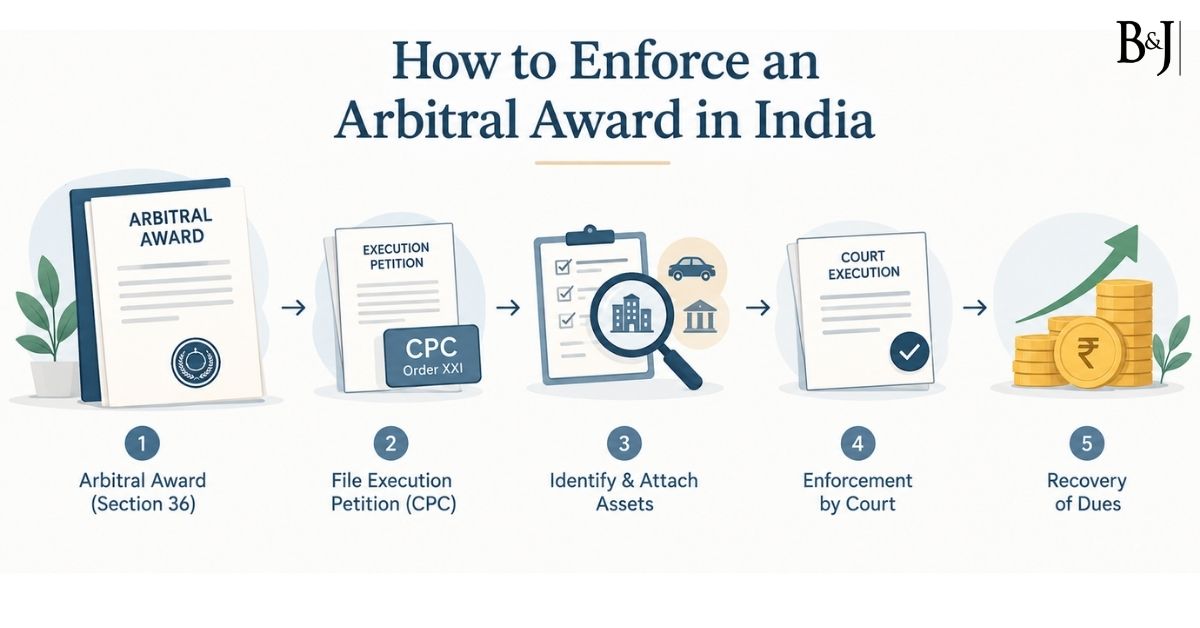
How to Enforce an Arbitral Award in India
An arbitral award that cannot be enforced is a document, not a remedy. The Arbitration and Conciliat

Grounds to Set Aside an Arbitral Award
Parties choose arbitration for finality. The Arbitration and Conciliation Act, 1996 gives effect to
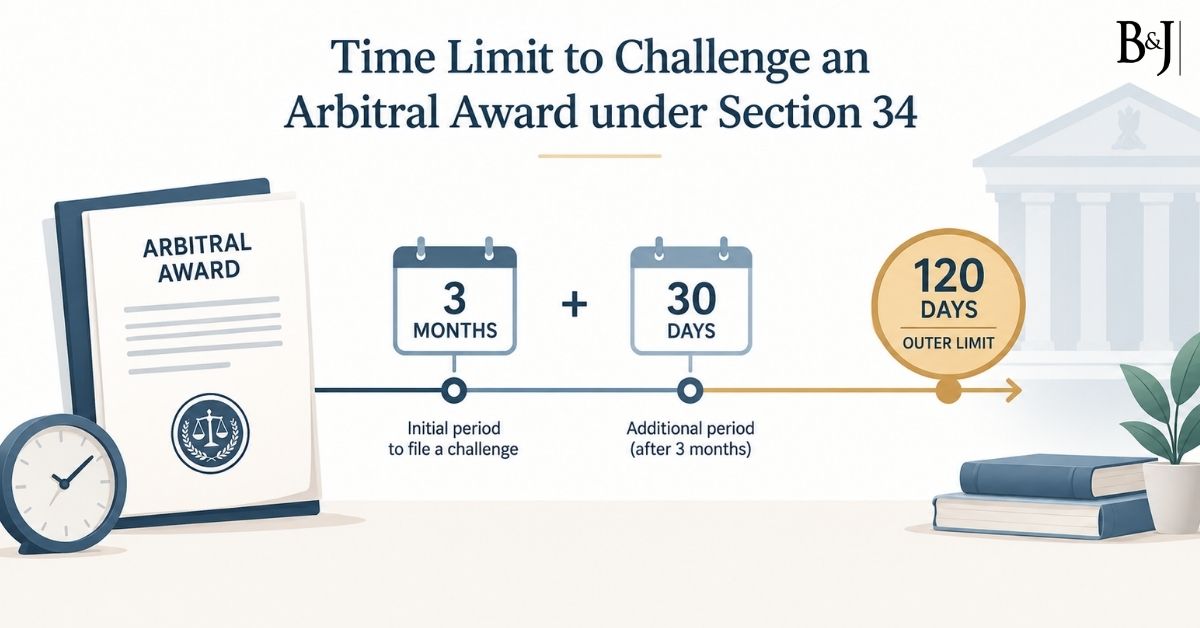
Time Limit to Challenge an Arbitral Award under Section 34
The time limit to challenge an arbitral award under Section 34 of the Arbitration and Conciliation A
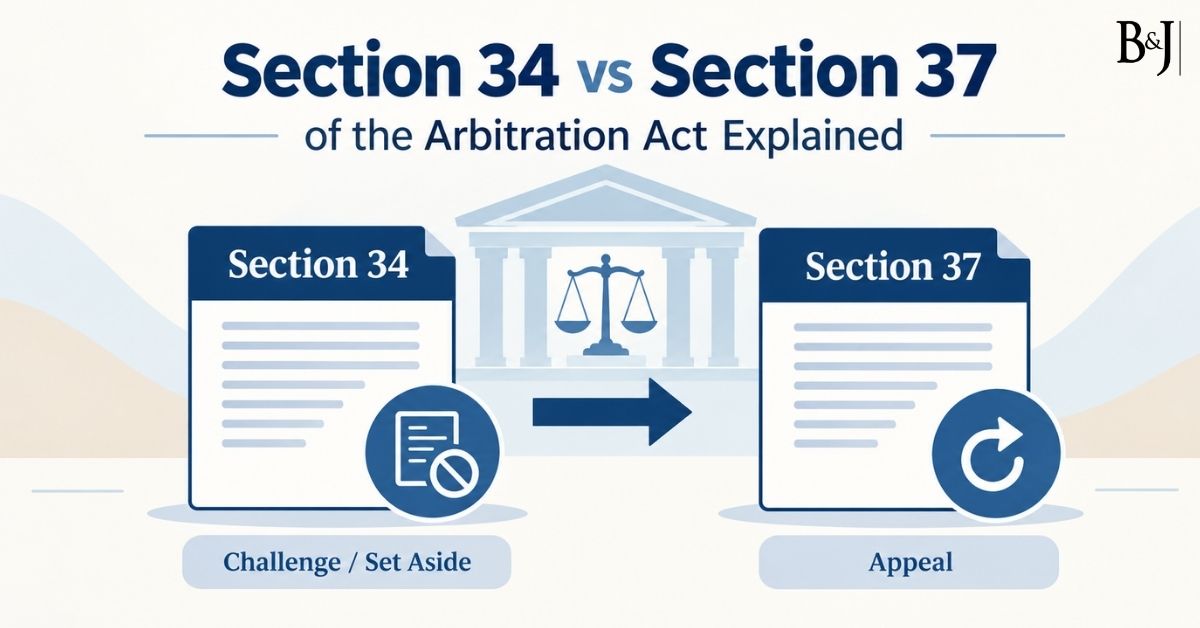
Section 34 vs Section 37 of the Arbitration Act Explained
An arbitral award is not a court decree, and the challenge to an arbitral award in India is governed
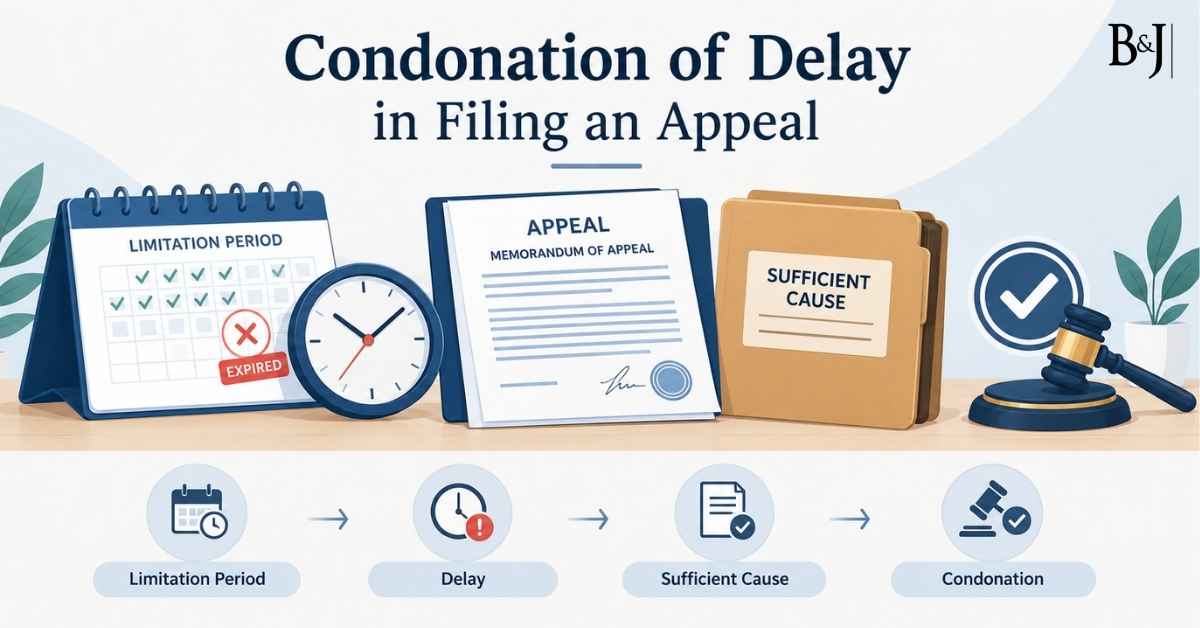
Condonation of Delay in Filing an Appeal
An appeal filed after the limitation period is not automatically barred, but it cannot be admitted a
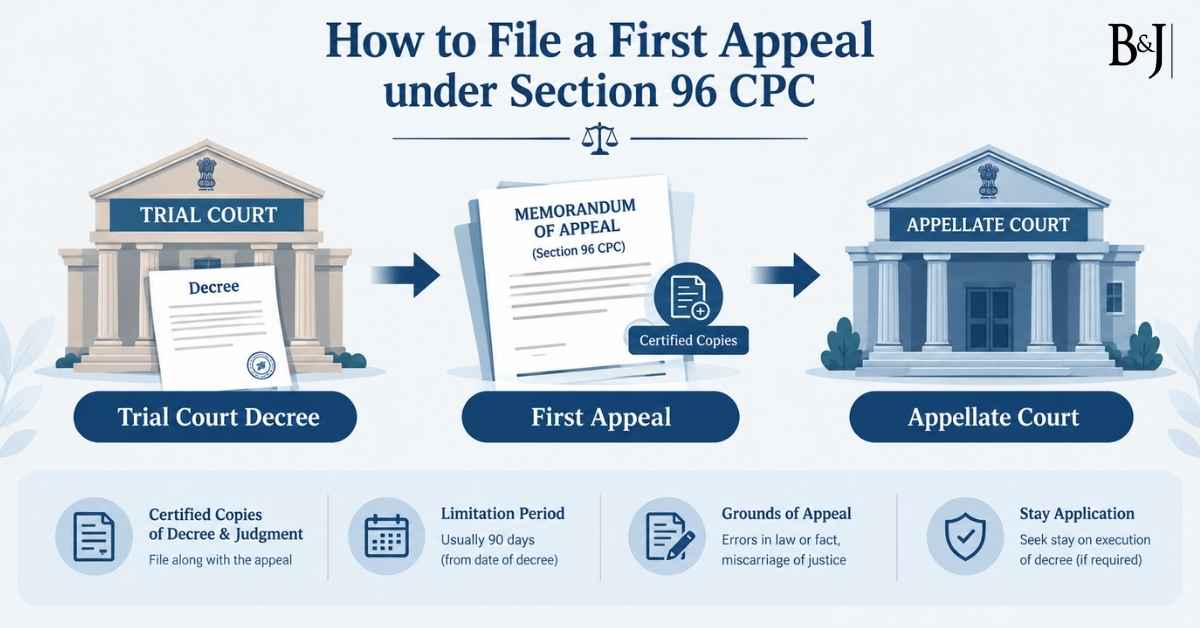
How to File a First Appeal under Section 96 CPC
A first appeal under Section 96 of CPC is the principal appellate remedy in civil litigation. It all
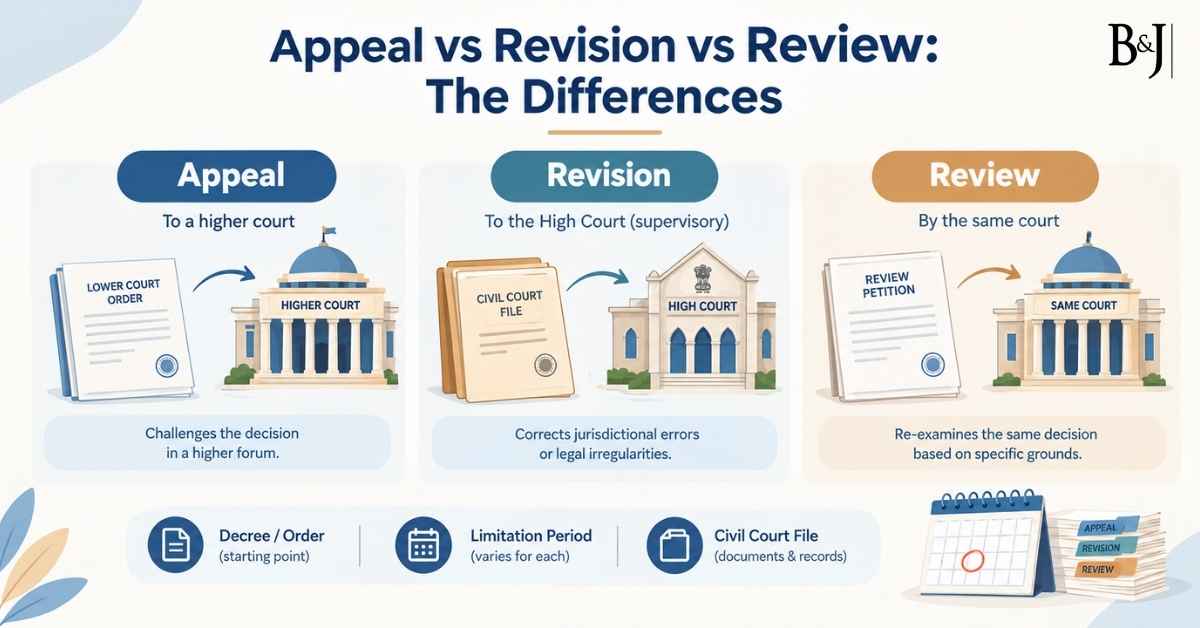
Appeal vs Revision vs Review: The Differences
Three remedies are commonly available against an adverse civil decision: appeal, review, and revisio
