





DRT Ahmedabad | Debt Recovery Tribunal | Bhatt & Joshi Associates | Ahmedabad
Debt Recovery Tribunal(DRT) Litigation Support Services at Bhatt & Joshi Associates: An Overview
Debt Recovery Tribunal (DRT) is a specialized court that handles cases related to recovery of debts due to banks and financial institutions. Bhatt & Joshi Associates, a leading law firm in Gujarat, Ahmedabad, offers the most experienced and professional DRT lawyers to provide litigation support services to their prospective clients at the Debt Recovery Tribunal(DRT), Ahmedabad. Here, we aim to discuss the various powers of DRT and the different kinds of litigation support services that Bhatt & Joshi Associates can offer at DRT, Ahmedabad. We also aim to provide an overview of the two primary laws over which the Debt Recovery Tribunal(DRT) has jurisdiction, SARFAESI Act, 2002 and RDDBFI Act, 1993.
SARFAESI Act, 2002 and RDDBFI Act, 1993: An Overview
Securitisation and Reconstruction of Financial Assets and Enforcement of Securities Interest Act, 2002 (SARFAESI Act, 2002)
The Securitisation and Reconstruction of Financial Assets and Enforcement of Securities Interest Act, 2002 (SARFAESI Act, 2002) is an Indian law that allows banks and other financial institutions to auction the security interest created in residential/commercial properties of defaulters to recover loans. It does not apply to unsecured loans, loans below ₹100,000, or the remaining debt below 20% of the original principal as per Section 31 of SARFAESI Act, 2002. The act also allows the creation of asset reconstruction companies (ARCs) and allows banks to sell their non-performing assets to ARCs. Banks are also allowed to take possession of collateral property and sell it without court permission.
The Recovery Of Debts Due To Banks And Financial Institution Act, 1993 (RDDBFI Act, 1993)
The Recovery Of Debts Due To Banks And Financial Institution Act, 1993 (RDDBFI Act, 1993) applies to the whole of India except J&K. It applies where the amount of debt due is not less than Rs. 10,00,000/-. Original Application for recovery of Debts can be filed only by Banks and Financial Institutions. Section 3 of the RDDBFI Act provides for the establishment of Debt Recovery Tribunals by the Central Government in consultation with the Chief Justice of the High Court. The Central Government can establish one or more Tribunals for each State or Union Territory or for a group of States or Union Territories, as it may deem fit. The Tribunal is headed by a Presiding Officer, who is appointed by the Central Government in consultation with the Chief Justice of the concerned High Court.
Powers of Debt Recovery Tribunal(DRT)
The Debt Recovery Tribunal(DRT) has several powers vested in them, such as summoning and enforcing the attendance of any person and examining them on oath, requiring the discovery and production of documents, receiving evidence on affidavits, issuing commissions for the examination of witnesses or documents, reviewing its decisions, dismissing an application for default or deciding it ex-parte, directing the defendants to provide security sufficient to satisfy the debt, and many others. Bhatt & Joshi Associates have a team of expert Debt Recovery Tribunal(DRT) lawyers who possess the skills of thorough research and exhibit all facts and data cohesively.
Litigation Support Services for Debt Recovery Tribunal at Bhatt & Joshi Associates
Bhatt & Joshi Associates offer varied services and provide support through advisory as well as litigation does to enforce the rights of Borrowers or the lenders/financial institutions as the case may be in reference to recovering of money. The firm has an in-house team of expert DRT lawyers for handling all such matters with excellent results. Our DRT lawyers present simple, and practical solutions catering to respective needs:
- Defending false claims of bank in recovery of dues/ Recovery of bank loans
- Filing and defending SAs (Securitization Application u/s 17 of SARFAESI Act) at Debt Recovery Tribunal (DRT)
- Legal advice related to DRT and SARFAESI matters
- Services for DRT matters by expert Indian Banking Lawyer
- Defending and filing of appeals against the orders of DRT at DRAT
- Taking up matters of SARFAESI Act
- Bank loan restructuring advice
Why choose Bhatt & Joshi Associates?
Bhatt & Joshi Associates have a team of enthusiastic, new minds with experienced and analytically versed DRT Lawyers who possess a strong grip over diverse areas of Banking law and RBI Regulations. Our DRT lawyers are always prepared to represent the case before DRAT or even at HIgh court if required. At all stages of Original Proceedings appropriate law points as raised so that appeals are not deprived of necessary pleadings. Our lawyers prepare meticulously before appearing for the case. We also provide comprehensive services Our team of lawyers has a deep understanding of the intricacies involved in debt recovery cases, and they work diligently to provide clients with timely and cost-effective solutions.
Moreover, we understand that each case is unique and requires a personalized approach. Therefore, we work closely with our clients to understand their needs and provide tailored solutions to meet their specific requirements. We believe in transparency and keep our clients informed at every stage of the legal process.
Overall, if you are looking for a reliable and competent legal team to assist you with debt recovery-related procedures in India, Bhatt & Joshi Associates is the right choice. We have the expertise, experience, and commitment to providing you with the best possible legal representation and assistance.
A promise made must be a promise kept.
Our Publications
Get in touch with Best DRT Lawyers Ahmedabad
Frequently asked questions
1. When should I consider hiring a civil lawyer?
You should consider hiring a civil lawyer when facing legal disputes related to contracts, property, personal injury, family matters, or any non-criminal matter where you need legal advice or representation.
2. What is a civil lawyer?
A civil lawyer represents clients in non-criminal legal matters, dealing with disputes between individuals, organizations, or both, over rights, responsibilities, and liabilities.
3. Can a civil lawyer help with contract disputes?
Yes, one of the primary areas of expertise for many civil lawyers is contract law. They can assist with drafting, reviewing, and disputing the terms of contracts.
4. How do civil lawyers differ from criminal lawyers?
While both handle legal disputes, civil lawyers focus on non-criminal cases, often involving private disputes between individuals or organizations. Criminal lawyers, on the other hand, represent individuals or the state in cases involving potential criminal penalties.
5. How are damages determined in civil cases?
Damages are determined based on the actual loss suffered, potential future losses, and sometimes, punitive measures. The nature and amount depend on the specifics of the case and jurisdictional guidelines.
6. What is the usual process of a civil lawsuit?
The typical process involves the filing of a complaint, response from the other party, discovery (exchange of relevant information), negotiations, potential settlement discussions, and if unresolved, a trial. The exact process can vary by jurisdiction.
7. Can a civil lawyer assist in mediation or alternative dispute resolution?
Yes, many civil lawyers are trained in alternative dispute resolution methods like mediation and arbitration, offering solutions outside the traditional courtroom setting.
8. How long does a typical civil lawsuit last?
The duration of a civil lawsuit varies based on the case’s complexity, the court’s schedule, and the willingness of parties to settle. It can range from a few months to several years.
Can Appellate Court Criticism Demoralise Judges? Judicial Independence and the Chilling Effect
Introduction On 13 February 2026, Justice Pankaj Bhatia of the Allahabad High Court made a remarkabl
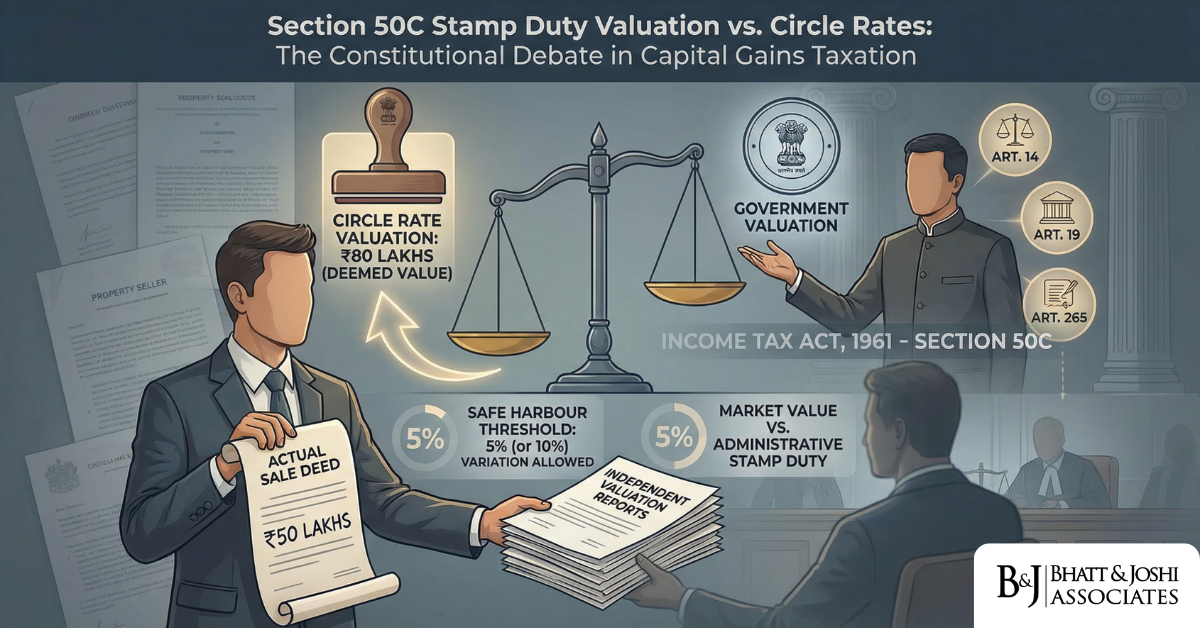
Section 50C of the Income Tax Act, 1961 Stamp Duty Valuation vs. Circle Rates: The Constitutional Validity of Deeming Fictions in Capital Gains
Introduction Few provisions in Indian income tax law generate as much sustained controversy, litigat

Livestream Donations and the TDS Gap on Creator Income in India: Why Streamers and Influencers Have No Withholding
Introduction India’s creator economy has grown into a multi-billion-rupee ecosystem, where gam
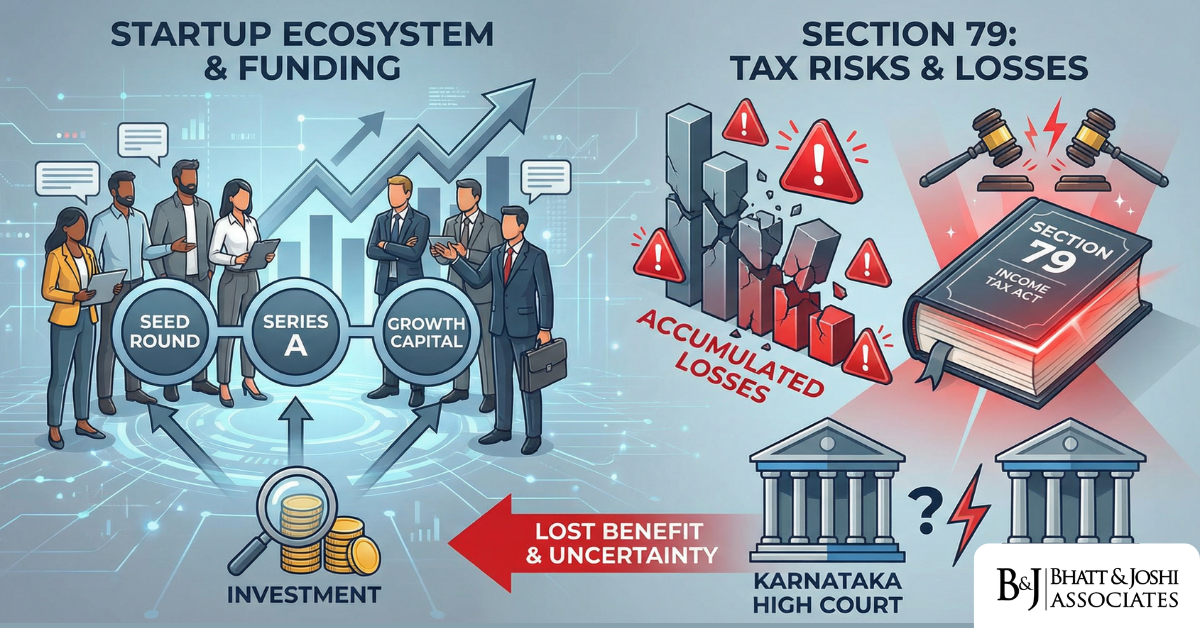
Startup Losses and Section 79 of the Income Tax Act, 1961: When Anti-Abuse Rules Kill Legitimate Restructuring
Introduction India’s startup ecosystem has grown into one of the most dynamic in the world, ye
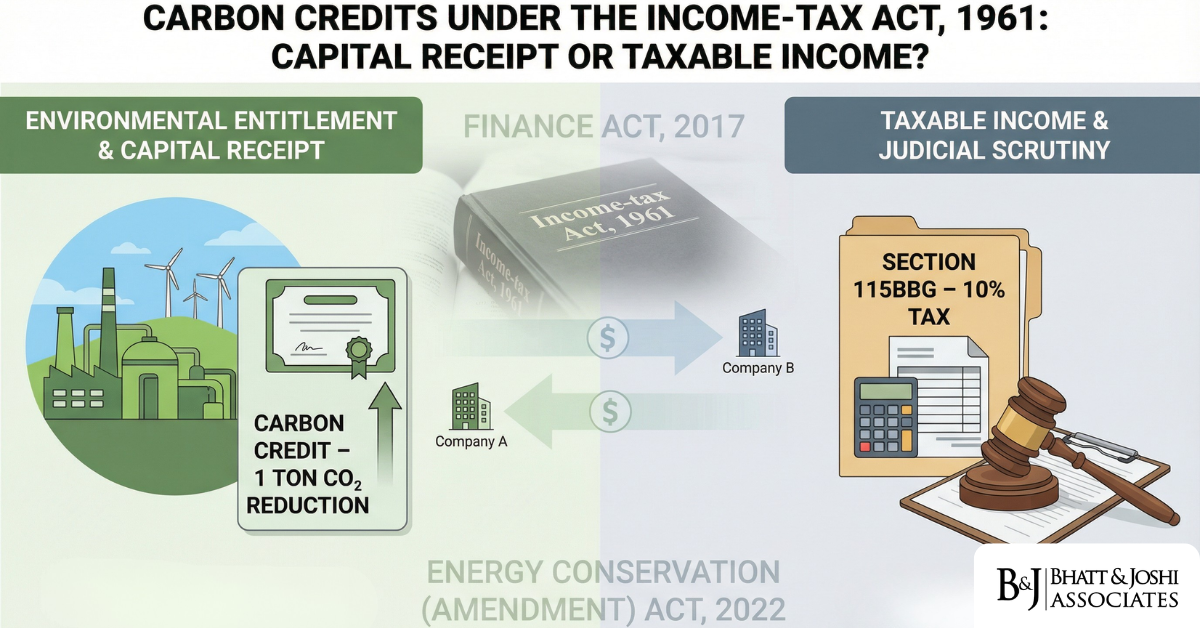
Income Tax Treatment of Carbon Credits: Asset, Income, or Capital Receipt Under the IT Act, 1961?
Introduction Carbon credits — formally known as Certified Emission Reductions (CERs) — have occu
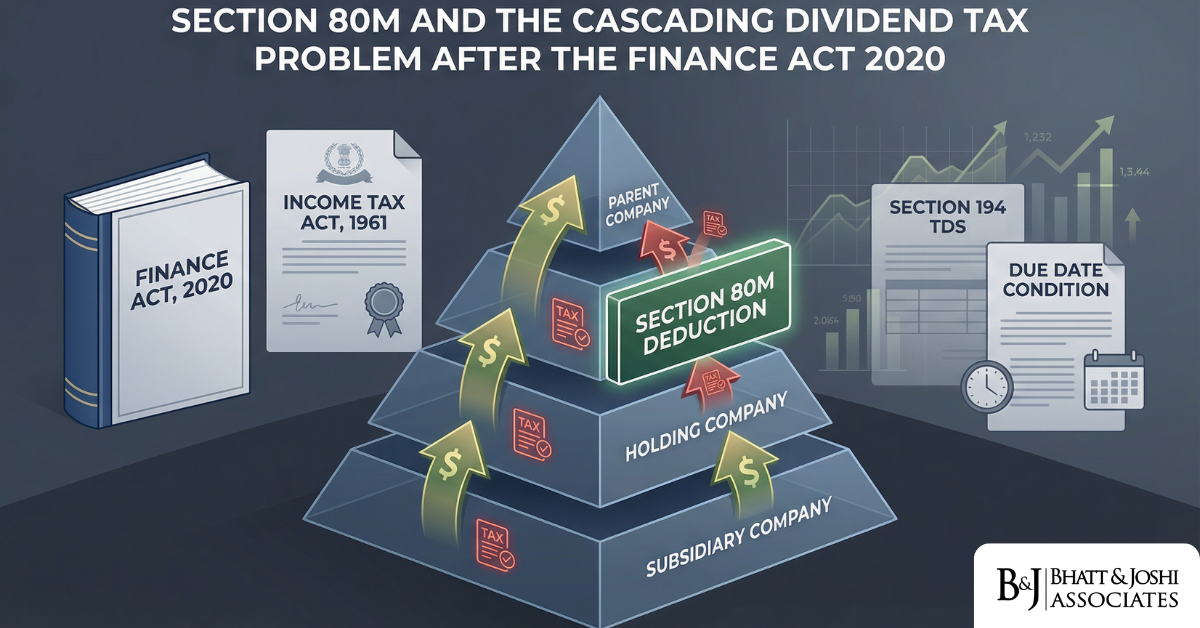
Section 80M Inter-Corporate Dividend Deduction: The Cascading Tax Problem the Finance Act 2020 Left Unresolved
Introduction When the Finance Act 2020 abolished the Dividend Distribution Tax (DDT) under Section 1
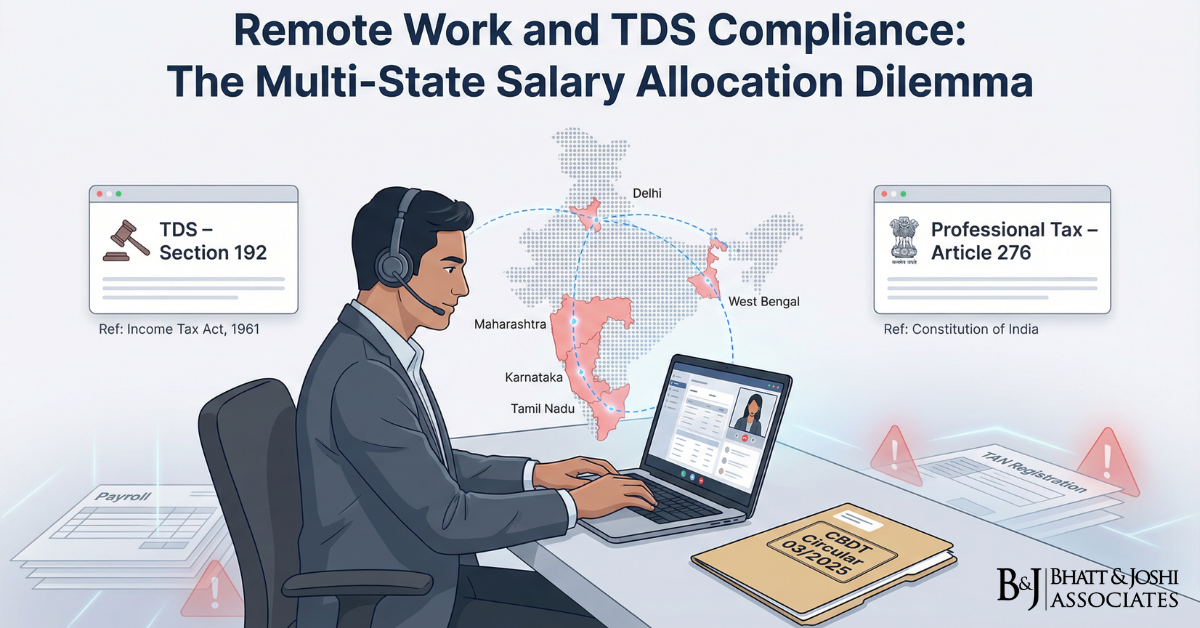
TDS on Salary for Remote Employees Across Multiple Indian States Under Section 192: Compliance Challenges”
Introduction The rise of remote work in post-pandemic India has created a TDS on salary compliance c
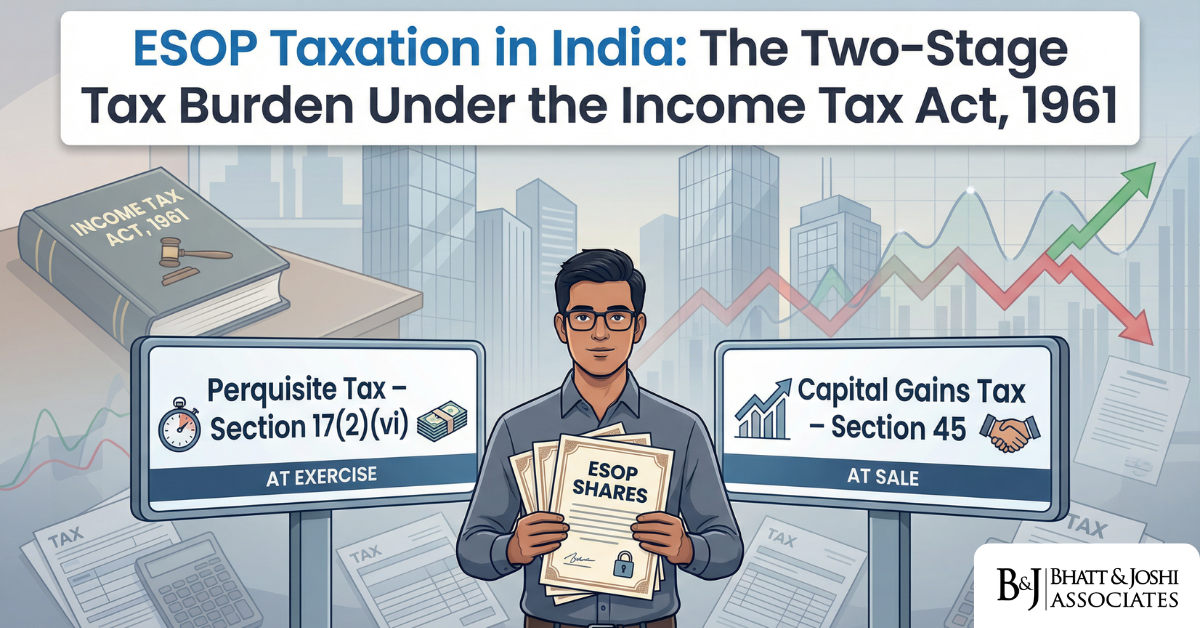
ESOP Taxation After Exit: Why Perquisite Tax at Exercise and Capital Gains at Sale Creates Double Taxation by Stealth
Introduction Employee Stock Option Plans (ESOPs) are among the most powerful instruments that Indian
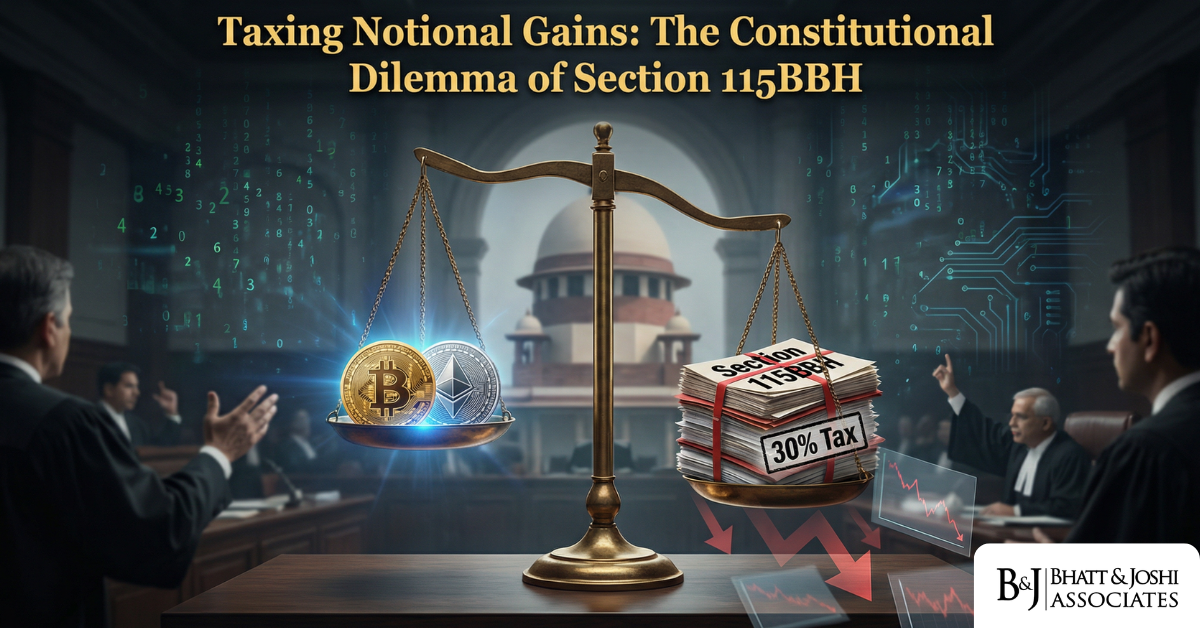
Crypto Losses Under Section 115BBH: Why the No-Set-Off Rule Creates an Unconstitutional Tax on Notional Gains
Introduction When the Finance Act, 2022 introduced Section 115BBH into the Income Tax Act, 1961, it

Whatsapp

