






HIGHER EDUCATION / UNIVERSITY EDUCATION
University education in Gujarat, India has come a long way in terms of quality, infrastructure, and academic excellence. The state has many universities, both public and private, offering various courses in different disciplines. The sector is governed by various regulatory bodies and laws to ensure the maintenance of academic standards and quality of education.
Role of UGC, AICTE, NMC, DEC, and IGNOU:
University education in Gujarat is regulated by several statutory bodies, including the University Grants Commission (UGC), All India Council for Technical Education (AICTE), National Medical Commission (NMC), and Distance Education Council (DEC). The role of these regulatory bodies is to ensure the quality of education and to maintain standards across the country.
The UGC is responsible for the coordination, determination, and maintenance of standards of higher education in India. It provides recognition to universities and colleges and also provides funds for various programs and research initiatives. The AICTE, on the other hand, is responsible for the regulation and control of technical education in India, while the NMC regulates medical education and profession in India. The DEC regulates the distance education system in the country and ensures the quality of the education imparted through this mode. These bodies have specific roles in ensuring the quality of education and maintaining standards in the sector.
National Education Policy 2020:
The National Education Policy 2020, introduced by the Government of India, aims to transform the higher education sector in India by emphasizing research, innovation, and quality education. The policy aims to increase the Gross Enrolment Ratio (GER) in higher education from the current 26.3% to 50% by 2035. The policy also focuses on promoting research and innovation in the sector, improving the quality of teaching, and promoting multidisciplinary education.
Role of the proposed Higher Education Commission of India:
The Higher Education Commission of India (HECI) is being proposed by GOI to be established as a single, overarching regulatory body for the higher education sector, replacing the UGC, AICTE, and NMC. The HECI aims to transform the sector by focusing on quality, access, affordability, and accountability. The proposed commission will have the power to regulate and monitor higher education institutions in India, including universities in Gujarat.
Legal Services by Bhatt & Joshi Associates:
Bhatt & Joshi Associates provides legal services to universities in Gujarat in various areas, including regulatory compliance, litigation support, contract drafting and negotiation, dispute resolution, and policy advocacy. The firm also provides legal assistance in matters related to intellectual property, student grievances, and employment disputes.
Bhatt & Joshi Associates represents clients in litigation matters related to university education, such as challenges to admission processes, disputes related to affiliation and recognition of institutions, and disputes related to student and faculty grievances. We also provide legal support to institutions seeking recognition and accreditation from regulatory bodies and can advise on issues related to accreditation and recognition criteria.
In addition, with the increasing emphasis on research and innovation in higher education, Bhatt & Joshi Associates can provide legal services related to technology transfer, intellectual property rights, and commercialization of research outcomes. They can also provide legal support to institutions seeking to establish collaborations with other institutions, both in India and abroad and also provides quality legal services to universities in Gujarat to ensure regulatory compliance and resolve disputes.
Overall, with our expertise in the education sector and understanding of the legal and regulatory framework, Bhatt & Joshi Associates can provide comprehensive legal services to clients in the university education sector in Gujarat.
Equal justice under law is not merely a caption on the facade of the Supreme Court building, it is perhaps the most inspiring ideal of our society.
Our Publications
Get in touch with Best Commercial Court Lawyers in Ahmedabad
Frequently asked questions
1. When should I consider hiring a civil lawyer?
You should consider hiring a civil lawyer when facing legal disputes related to contracts, property, personal injury, family matters, or any non-criminal matter where you need legal advice or representation.
2. What is a civil lawyer?
A civil lawyer represents clients in non-criminal legal matters, dealing with disputes between individuals, organizations, or both, over rights, responsibilities, and liabilities.
3. Can a civil lawyer help with contract disputes?
Yes, one of the primary areas of expertise for many civil lawyers is contract law. They can assist with drafting, reviewing, and disputing the terms of contracts.
4. How do civil lawyers differ from criminal lawyers?
While both handle legal disputes, civil lawyers focus on non-criminal cases, often involving private disputes between individuals or organizations. Criminal lawyers, on the other hand, represent individuals or the state in cases involving potential criminal penalties.
5. How are damages determined in civil cases?
Damages are determined based on the actual loss suffered, potential future losses, and sometimes, punitive measures. The nature and amount depend on the specifics of the case and jurisdictional guidelines.
6. What is the usual process of a civil lawsuit?
The typical process involves the filing of a complaint, response from the other party, discovery (exchange of relevant information), negotiations, potential settlement discussions, and if unresolved, a trial. The exact process can vary by jurisdiction.
7. Can a civil lawyer assist in mediation or alternative dispute resolution?
Yes, many civil lawyers are trained in alternative dispute resolution methods like mediation and arbitration, offering solutions outside the traditional courtroom setting.
8. How long does a typical civil lawsuit last?
The duration of a civil lawsuit varies based on the case’s complexity, the court’s schedule, and the willingness of parties to settle. It can range from a few months to several years.
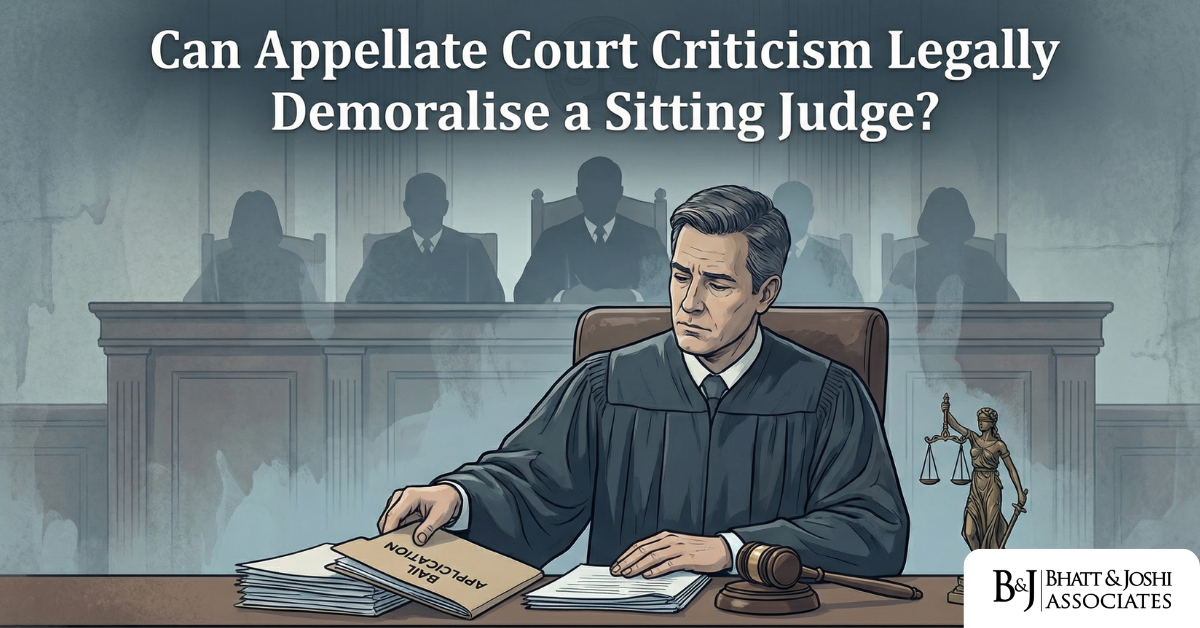
Can Appellate Court Criticism Demoralise Judges? Judicial Independence and the Chilling Effect
Introduction On 13 February 2026, Justice Pankaj Bhatia of the Allahabad High Court made a remarkabl
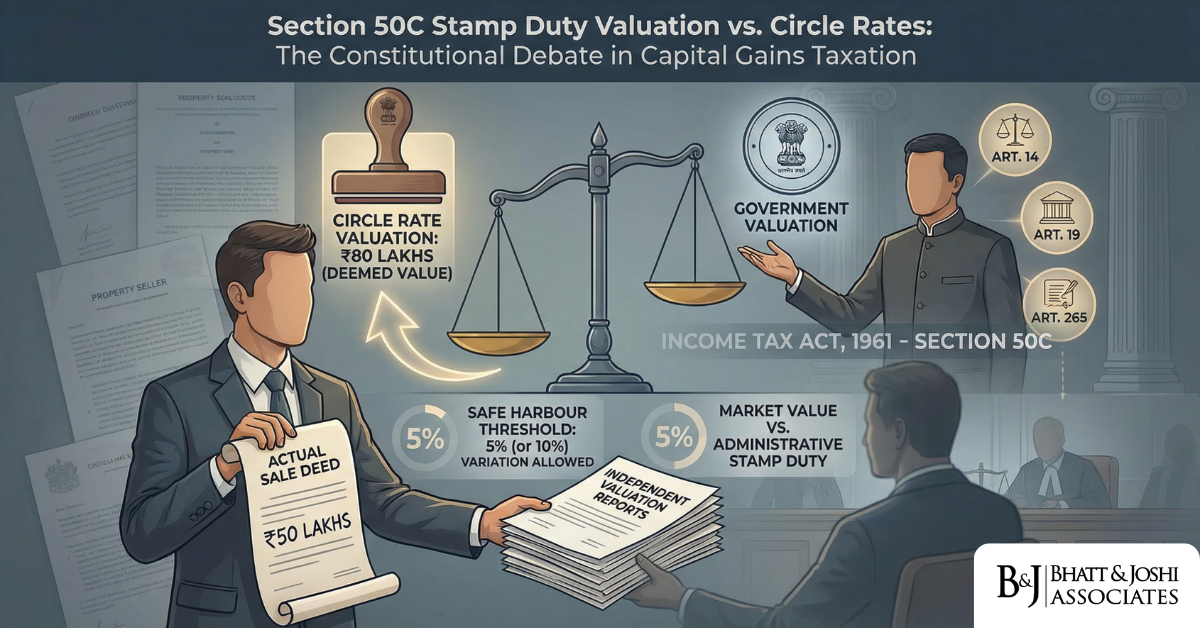
Section 50C of the Income Tax Act, 1961 Stamp Duty Valuation vs. Circle Rates: The Constitutional Validity of Deeming Fictions in Capital Gains
Introduction Few provisions in Indian income tax law generate as much sustained controversy, litigat

Livestream Donations and the TDS Gap on Creator Income in India: Why Streamers and Influencers Have No Withholding
Introduction India’s creator economy has grown into a multi-billion-rupee ecosystem, where gam
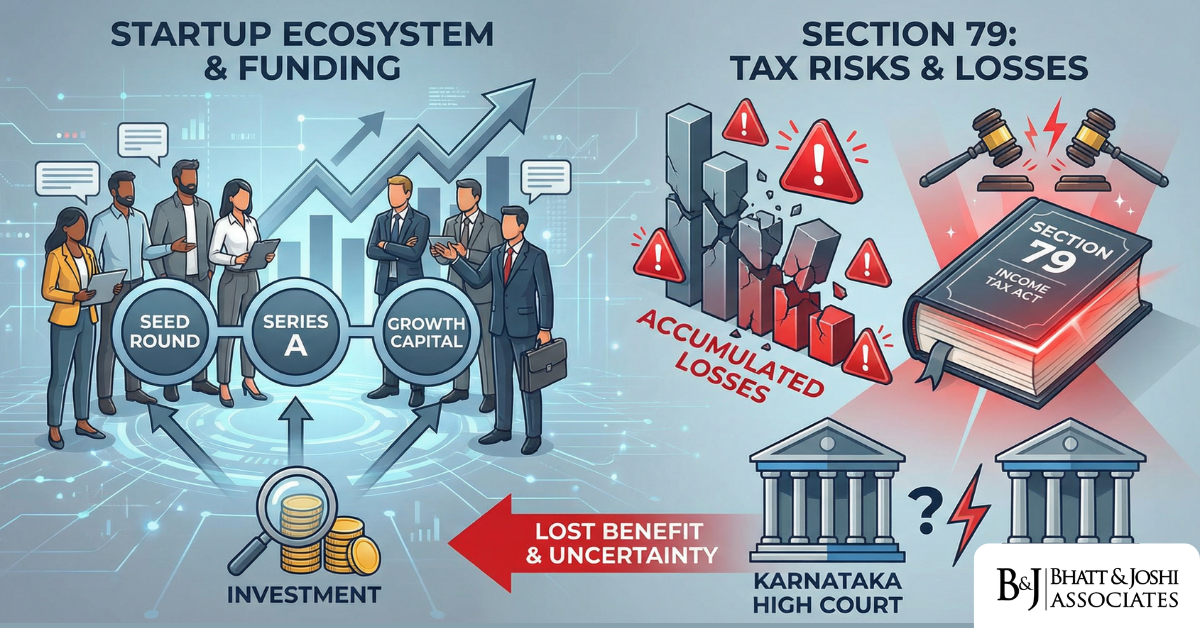
Startup Losses and Section 79 of the Income Tax Act, 1961: When Anti-Abuse Rules Kill Legitimate Restructuring
Introduction India’s startup ecosystem has grown into one of the most dynamic in the world, ye
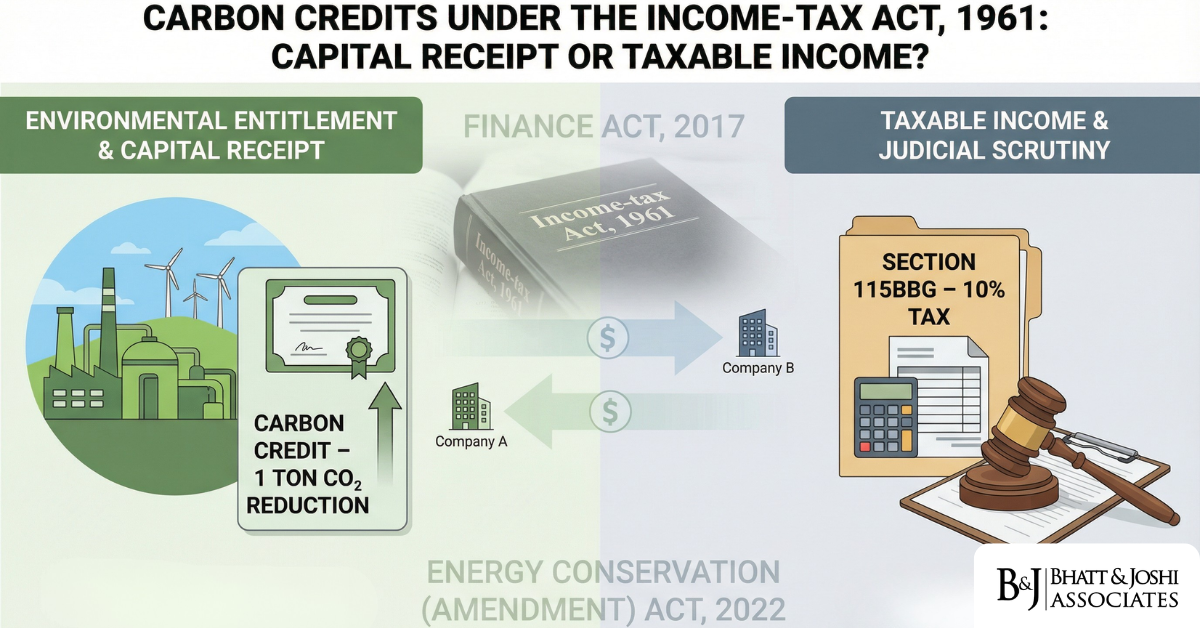
Income Tax Treatment of Carbon Credits: Asset, Income, or Capital Receipt Under the IT Act, 1961?
Introduction Carbon credits — formally known as Certified Emission Reductions (CERs) — have occu
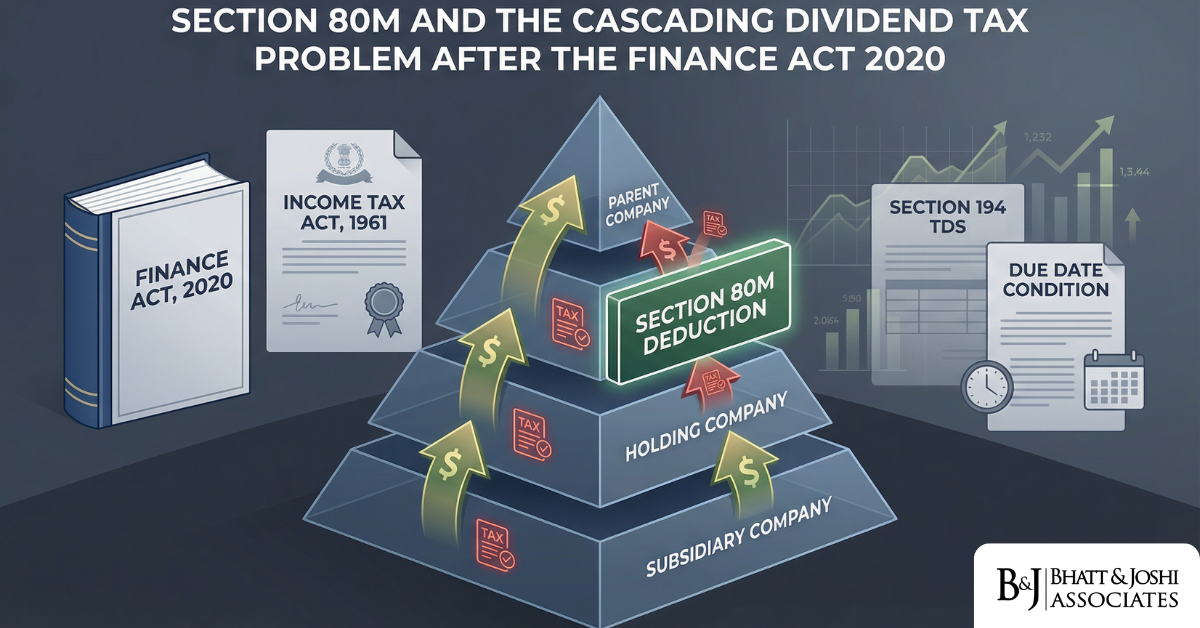
Section 80M Inter-Corporate Dividend Deduction: The Cascading Tax Problem the Finance Act 2020 Left Unresolved
Introduction When the Finance Act 2020 abolished the Dividend Distribution Tax (DDT) under Section 1
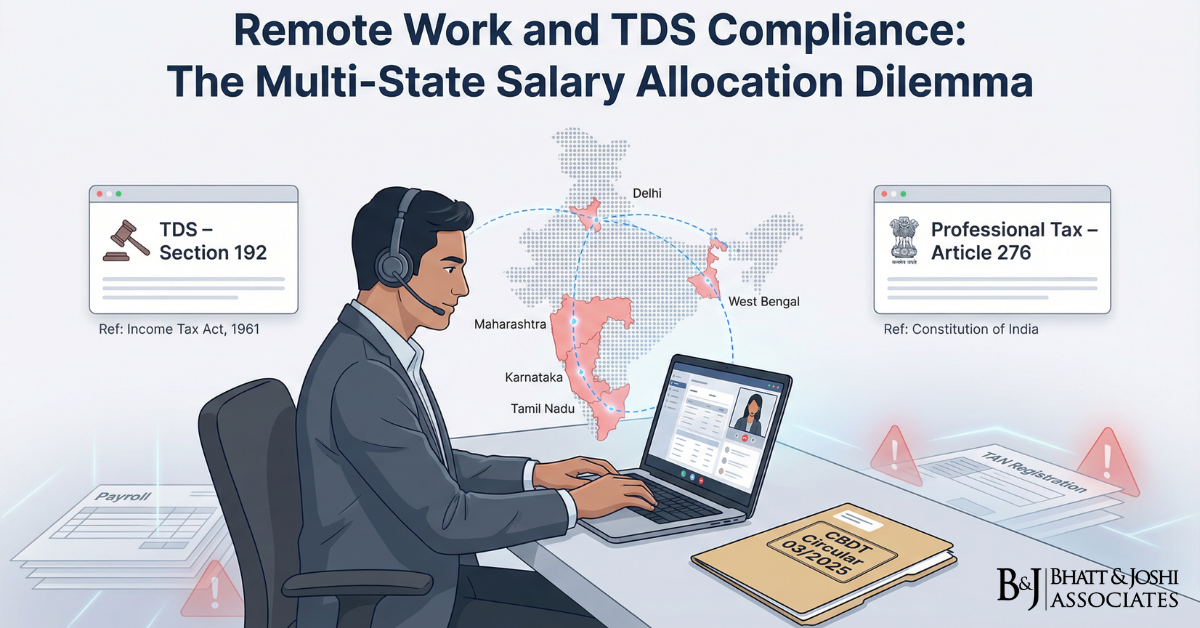
TDS on Salary for Remote Employees Across Multiple Indian States Under Section 192: Compliance Challenges”
Introduction The rise of remote work in post-pandemic India has created a TDS on salary compliance c
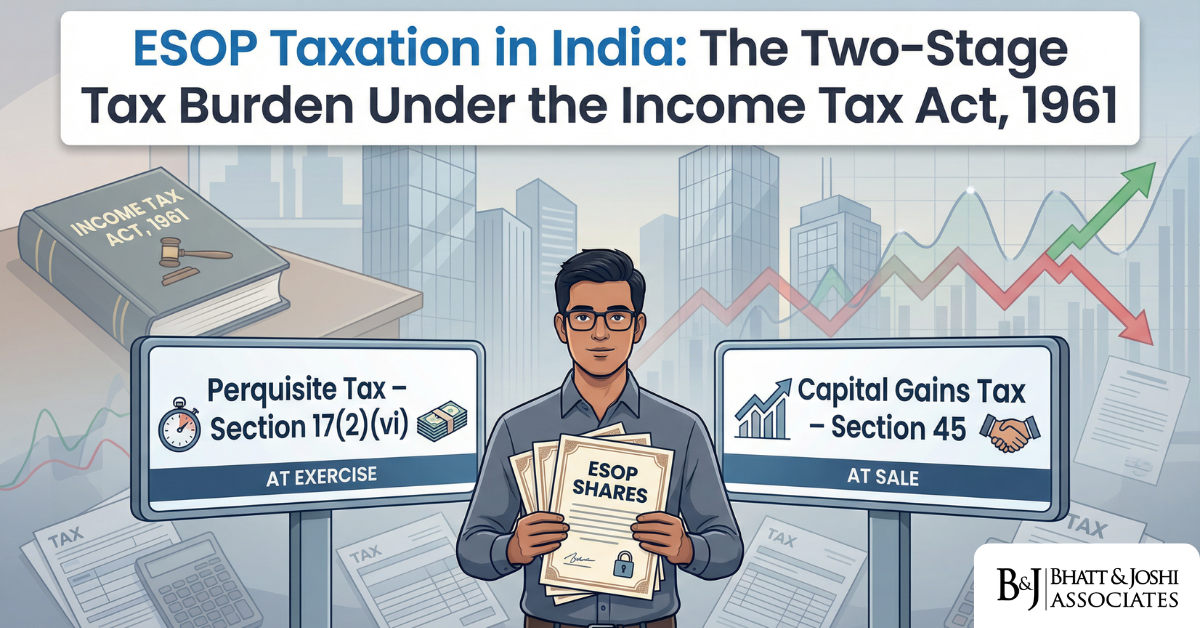
ESOP Taxation After Exit: Why Perquisite Tax at Exercise and Capital Gains at Sale Creates Double Taxation by Stealth
Introduction Employee Stock Option Plans (ESOPs) are among the most powerful instruments that Indian
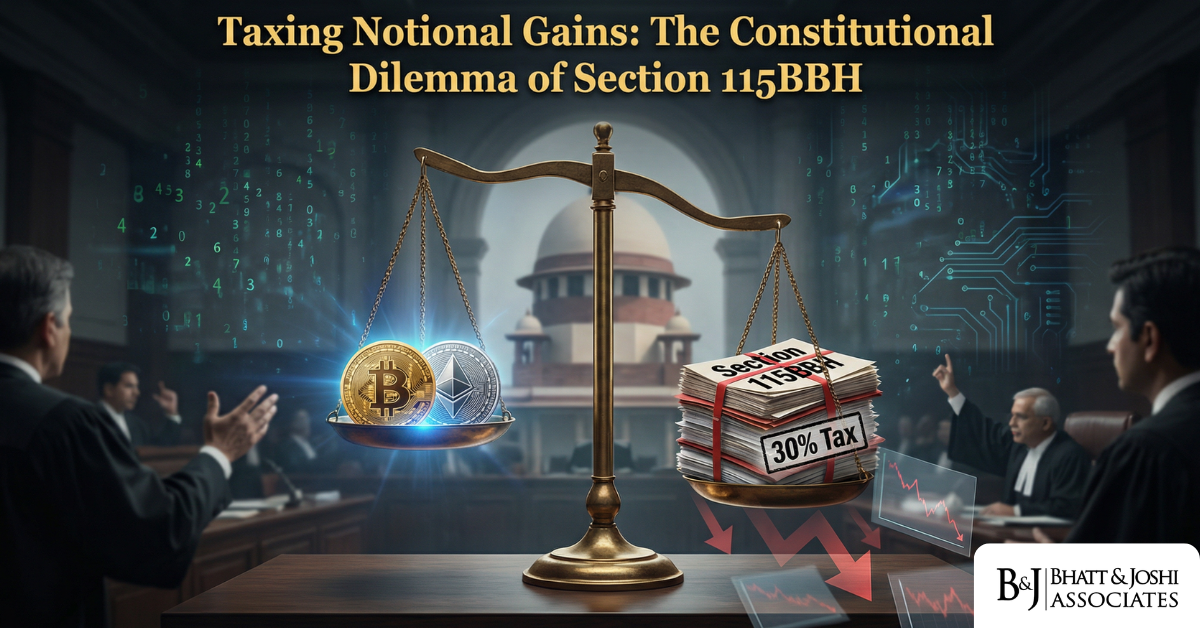
Crypto Losses Under Section 115BBH: Why the No-Set-Off Rule Creates an Unconstitutional Tax on Notional Gains
Introduction When the Finance Act, 2022 introduced Section 115BBH into the Income Tax Act, 1961, it

Whatsapp

