 Whatsapp

Regulatory Framework Governing Import and Export Activities in India: Legal Structure, Policy Implementation, and Compliance Requirements
Introduction
India’s international trade framework operates under a sophisticated regulatory structure designed to balance economic growth with strategic national interests. The country’s import and export activities are primarily governed by the Foreign Trade (Development & Regulation) Act, 1992 [1], which provides the foundational legal framework for regulating cross-border commerce. This legislative framework, coupled with India’s Export-Import (EXIM) Policy, creates a structured environment that facilitates legitimate trade while maintaining necessary controls over specific categories of goods and services.
The regulatory architecture reflects India’s evolution from a protectionist economy to one that embraces global trade while maintaining sovereignty over critical sectors. The system operates on the principle that all goods are freely importable and exportable unless specifically restricted or prohibited under the prevailing laws and policies. This approach has enabled India to become a significant player in international trade while retaining the ability to protect domestic industries and national security interests.
The current regulatory framework encompasses multiple layers of control, from mandatory registration requirements to specific licensing procedures for sensitive goods. The Directorate General of Foreign Trade (DGFT), operating under the Ministry of Commerce and Industry, serves as the primary regulatory authority responsible for implementing and enforcing these policies. The system requires all importers and exporters to obtain an Import Export Code (IEC) as a prerequisite for engaging in international trade activities [2].
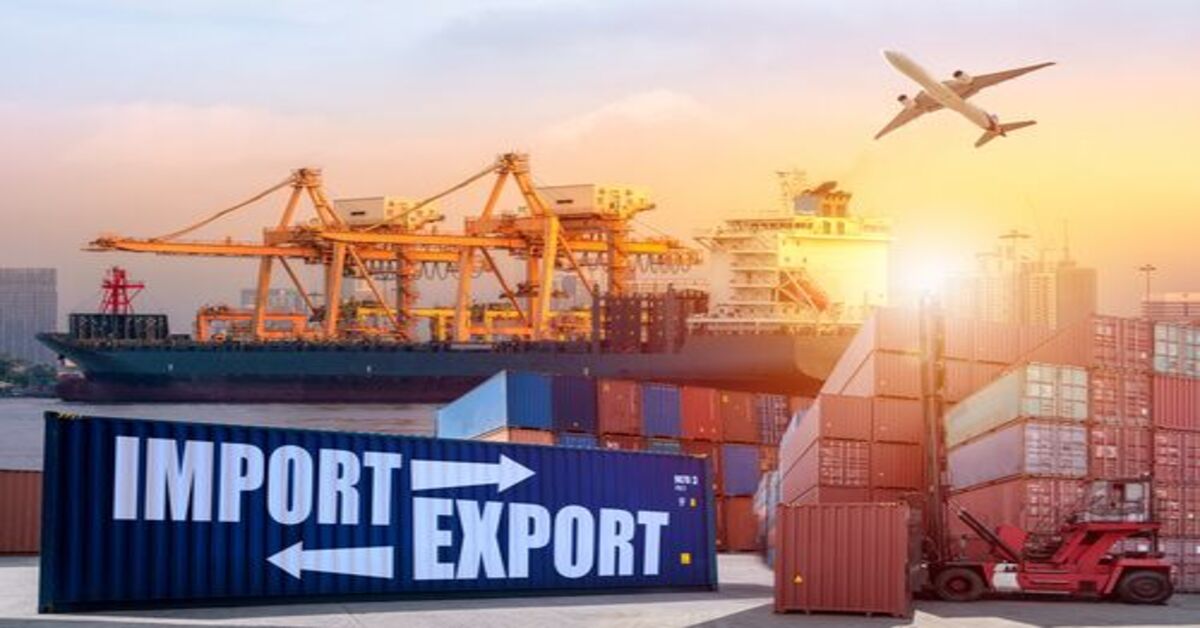
Legislative Foundation and Legal Framework of India’s Import-Export Trade
Foreign Trade (Development & Regulation) Act, 1992
The Foreign Trade (Development & Regulation) Act, 1992, represents the cornerstone of India’s import-export regulatory framework. This Act replaced the earlier Import and Export (Control) Act, 1947, reflecting India’s transition toward a more liberalized trade regime. The Act empowers the Central Government to prohibit, restrict, or otherwise regulate the import or export of goods of any specified description [1].
Section 5 of the Act specifically grants the government authority to formulate and announce the Export-Import Policy for periods not exceeding five years. This provision ensures that trade policies remain dynamic and responsive to changing global economic conditions while providing sufficient stability for business planning. The Act also establishes the regulatory framework for issuing licenses, permits, and other authorizations necessary for international trade activities.
The Act contains provisions for penalties and enforcement mechanisms to ensure compliance with trade regulations. Section 11 outlines various offenses under the Act, including violations of export or import restrictions, while Section 13 prescribes penalties ranging from fines to imprisonment for serious violations. These enforcement provisions demonstrate the government’s commitment to maintaining the integrity of the regulatory system.
Constitutional Authority and Administrative Structure
The constitutional foundation for regulating foreign trade stems from Entry 41 of the Union List in the Seventh Schedule of the Constitution of India, which grants the Union Government exclusive authority over “Import and export across customs frontiers; definition of customs frontiers.” This constitutional provision ensures uniformity in trade policy implementation across the country and prevents conflicting state-level regulations.
The administrative structure implementing these regulations involves multiple agencies working in coordination. The DGFT serves as the nodal agency for policy formulation and implementation, while the Central Board of Indirect Taxes and Customs (CBIC) handles the actual clearance of goods at ports and borders. This division of responsibilities ensures specialized expertise in both policy formulation and operational implementation.
Import Export Code: Registration and Compliance Requirements
Mandatory Registration Framework
The Import Export Code represents a fundamental requirement for engaging in international trade activities in India. Section 7 of the Foreign Trade (Development & Regulation) Act, 1992, mandates that no export or import shall be made by any person without obtaining an IEC from the regional licensing authority. This ten-digit alphanumeric code serves as a unique identifier for each business entity engaged in international trade [2].
The IEC registration process requires submission of specific documentation including business registration certificates, bank account details, and address proofs. The Directorate General of Foreign Trade has streamlined the application process through digital platforms, allowing applicants to complete the registration online with Aadhaar-based authentication. The registration remains valid throughout the life of the entity, eliminating the need for periodic renewals.
Compliance and Operational Requirements
Once obtained, the IEC must be mentioned in all import and export documentation, including bills of entry, shipping bills, and bank transactions related to foreign trade. Customs authorities cannot clear goods without a valid IEC, making it an essential prerequisite for international trade operations. The code also enables businesses to access various export promotion schemes and incentives offered by the government [3].
The regulatory framework requires IEC holders to maintain accurate records of their international trade transactions and submit periodic returns as mandated by the authorities. Failure to comply with these requirements can result in suspension or cancellation of the IEC, effectively barring the entity from engaging in international trade activities.
Import Policy Framework and Classification System
Indian Trade Classification and Harmonized System
India’s import policy operates through the Indian Trade Classification (ITC) based on the Harmonized System (HS) of nomenclature, which categorizes all traded goods into specific classifications. This system provides a standardized method for identifying goods and determining applicable regulations, duties, and restrictions. The classification system undergoes periodic updates to incorporate new products and technologies while maintaining consistency with international standards.
The ITC-HS classification serves multiple purposes beyond mere identification. It determines the applicable customs duties, regulatory requirements, and documentation needed for importation. The system also facilitates statistical compilation and analysis of trade data, enabling informed policy decisions and international trade negotiations.
Restricted Import Categories
Restricted imports constitute goods that can be imported only after obtaining specific licenses or permits from designated authorities. These restrictions typically apply to goods that have implications for national security, public health, environmental protection, or domestic industry protection. Common examples include certain chemicals, pharmaceuticals, defense equipment, and telecommunications devices [4].
The licensing process for restricted imports involves detailed scrutiny of the applicant’s credentials, intended use of the goods, and compliance with relevant regulations. Licensing authorities may impose specific conditions on import licenses, including quantity limits, end-use restrictions, and reporting requirements. These measures ensure that sensitive imports serve legitimate purposes without compromising national interests.
Canalized Import Procedures
Canalized goods represent a specific category of imports that can only be imported through designated channels or State Trading Enterprises (STEs). This system applies to commodities of strategic importance or those requiring specialized handling procedures. The canalization policy ensures government control over the import of critical commodities while maintaining supply security.
State Trading Enterprises designated for canalized imports include organizations like State Trading Corporation of India (STC), Minerals and Metals Trading Corporation of India (MMTC), and Indian Oil Corporation (IOC) for specific petroleum products. These entities possess the necessary expertise and infrastructure to handle specialized imports while ensuring compliance with regulatory requirements.
Prohibited Import Items
The prohibited imports category includes goods that cannot be imported under any circumstances due to security, health, environmental, or cultural considerations. This list typically includes items such as certain wildlife products, hazardous chemicals, pornographic material, and goods that may pose threats to national security or public order [5].
The prohibition list undergoes periodic review to address emerging threats and changing international obligations. The government may add or remove items from the prohibited list through notifications under the Foreign Trade Policy, ensuring that restrictions remain relevant and proportionate to the risks they address.
Export Policy Structure and Regulatory Controls
Free Export Framework
India’s export policy operates on the principle of free exportability for most goods, reflecting the country’s commitment to promoting exports and earning foreign exchange. Goods not specifically mentioned in the restricted or prohibited categories can be exported freely upon compliance with general procedures including customs clearance, documentation requirements, and payment of applicable duties or charges.
This liberal export regime has contributed significantly to India’s integration into global value chains and its emergence as a major exporting nation. The policy provides exporters with the flexibility to respond quickly to international market opportunities while maintaining necessary regulatory oversight for sensitive goods.
Restricted Export Controls
Restricted exports require specific licenses or permits before goods can be exported from India. These restrictions typically apply to goods that are strategically important, environmentally sensitive, or culturally significant. Examples include certain minerals, chemicals, wildlife products, and items of archaeological value [6].
The export licensing process involves evaluation of factors such as domestic availability, strategic importance, and international obligations. Licensing authorities may impose conditions on export licenses including destination restrictions, quantity limits, and end-use certificates to ensure that exports serve national interests and comply with international commitments.
Prohibited Export Items
Prohibited exports encompass goods that cannot be exported from India under any circumstances. This category primarily includes items that are culturally valuable, environmentally sensitive, or strategically critical. The prohibition on exports of certain wildlife species, for example, reflects India’s commitment to biodiversity conservation and compliance with international wildlife protection treaties.
The prohibited export list also includes items that may compromise national security or violate international obligations. Regular review of this list ensures that export prohibitions remain necessary and proportionate to the risks they address while avoiding unnecessary barriers to legitimate trade.
State Trading Enterprise Framework
Certain exports can only be conducted through designated State Trading Enterprises, which possess specialized expertise and infrastructure for handling specific commodities. This system applies to goods such as certain agricultural products, minerals, and strategic materials where government oversight is deemed necessary for optimal resource utilization and price stabilization.
STEs play a crucial role in ensuring that India’s export interests are protected in international markets while maintaining quality standards and competitive pricing. These organizations often serve as single-window facilitators for complex export transactions involving multiple regulatory requirements and international negotiations.
Historical Evolution of Import Export Trade Policy
Post-Independence Trade Regime (1948-1991)
India’s trade policy during the initial decades after independence reflected the challenges of building a new nation while addressing foreign exchange constraints. The period from 1948 to 1952 witnessed restrictive import policies, particularly toward dollar areas, due to acute foreign exchange shortages. The government prioritized essential imports while restricting luxury goods and non-essential items.
The First Five-Year Plan (1951-1956) saw a temporary liberalization of import policy, resulting in substantial imports of consumer and capital goods. However, this liberal approach led to a foreign exchange crisis, forcing the government to reimpose strict import controls during the Second Plan period (1956-1961). These early experiences shaped India’s cautious approach toward trade liberalization in subsequent decades.
The Mudaliar Committee (1962) provided important recommendations for balancing import restrictions with developmental needs. The committee emphasized the importance of facilitating imports of maintenance and developmental goods essential for industrial growth while prioritizing import-substituting and export-oriented industries. These recommendations influenced trade policy formulation for several decades [7].
Liberalization and Modern Trade Framework
The economic liberalization initiated in 1991 marked a fundamental shift in India’s trade policy approach. The introduction of the Foreign Trade (Development & Regulation) Act, 1992, replaced the restrictive Import and Export (Control) Act, 1947, signaling India’s commitment to integrating with the global economy while maintaining necessary regulatory controls.
This transformation involved gradual removal of quantitative restrictions, reduction of import duties, and simplification of procedures for international trade. The new framework emphasized export promotion while ensuring that import liberalization supported domestic industrial growth and technological advancement.
Current Policy Framework and Implementation
Foreign Trade Policy 2023-2028
The current Foreign Trade Policy, effective from April 1, 2023, to March 31, 2028, represents the latest iteration of India’s comprehensive trade strategy. This policy aims to achieve merchandise exports of USD 2 trillion by 2030 while positioning India as a significant player in global trade networks. The policy emphasizes digitalization, sustainability, and innovation as key drivers of trade growth [8].
Key features of the current policy include enhanced focus on services exports, promotion of emerging technologies, and strengthening of trade infrastructure. The policy also introduces new schemes for supporting exporters while rationalizing existing programs to improve effectiveness and reduce compliance burden.
Digitalization and Process Simplification
The current trade regime emphasizes digital transformation of trade processes to reduce transaction costs and improve ease of doing business. Initiatives such as the Digital DGFT platform enable online processing of applications, reducing processing time and enhancing transparency. The integration of various government systems through common digital platforms eliminates duplicate documentation requirements and streamlines compliance procedures.
These digital initiatives extend to customs clearance processes, with the implementation of systems such as SWIFT (Single Window Interface for Facilitating Trade) enabling coordinated clearance by multiple agencies through a unified platform. Such technological improvements have significantly reduced the time and cost of international trade transactions.
Export Promotion Schemes and Incentives
The policy framework includes various schemes designed to promote exports and enhance competitiveness of Indian products in international markets. The Export Promotion Capital Goods (EPCG) scheme allows duty-free import of capital goods for export production, while various product and market-specific schemes provide targeted support to different sectors [9].
Recent policy initiatives have focused on supporting emerging sectors such as electronics manufacturing, renewable energy equipment, and pharmaceutical products. These targeted interventions aim to position India as a reliable supplier in global supply chains while building domestic manufacturing capabilities.
Customs Administration and Clearance Procedures
Legal Framework for Customs Operations
Customs operations in India are governed by the Customs Act, 1962, which provides the legal framework for assessment, collection of duties, and clearance of imported and exported goods. The Act works in conjunction with the Foreign Trade (Development & Regulation) Act, 1992, to ensure that all international trade transactions comply with applicable laws and regulations.
The Customs Act empowers officers to examine goods, assess duties, and take enforcement action against violations. The Act also provides mechanisms for dispute resolution through appeals and reviews, ensuring that traders have adequate remedies against adverse customs decisions.
Clearance Procedures and Documentation
Import clearance procedures require submission of bills of entry along with supporting documents such as invoices, packing lists, insurance documents, and certificates of origin. The IEC is mandatory for customs clearance, and goods cannot be released without a valid code. Customs officers verify the accuracy of declarations and assess applicable duties before releasing goods for domestic consumption.
Export clearance involves submission of shipping bills along with necessary documentation proving the legitimacy of exports and compliance with applicable regulations. Export goods are examined to ensure compliance with quality standards, export restrictions, and documentation requirements before being allowed to leave Indian territory.
International Comparisons and Best Practices
Comparative Analysis with Global Trade Regimes
India’s trade regulatory framework shares common features with other major trading nations while reflecting unique national circumstances and priorities. Like most countries, India maintains controls over sensitive imports and exports while promoting general trade liberalization. The use of harmonized commodity codes and standardized documentation aligns with international best practices.
However, India’s framework also includes distinctive features such as the canalization system for certain imports and the extensive use of State Trading Enterprises. These mechanisms reflect India’s developmental priorities and strategic considerations while maintaining compatibility with international trade obligations under the World Trade Organization.
Lessons from International Experience
International experience suggests that effective trade regulation requires balancing facilitation of legitimate trade with necessary controls for security and policy objectives. Countries with successful trade regimes typically emphasize digitalization, risk-based inspection systems, and coordinated agency operations to minimize transaction costs while maintaining regulatory effectiveness.
India’s ongoing efforts to digitalize trade processes and implement risk-based clearance procedures reflect adoption of these international best practices. The focus on single-window clearance and coordinated agency operations demonstrates alignment with global trends toward trade facilitation.
Contemporary Challenges and Policy Responses
Addressing Pandemic-Related Disruptions
The COVID-19 pandemic highlighted the importance of resilient supply chains and flexible trade policies. India’s response included temporary modifications to trade procedures, enhanced digital processing capabilities, and targeted support for affected sectors. The experience demonstrated the need for adaptive trade policies that can respond quickly to emerging challenges.
The pandemic also accelerated adoption of digital technologies in trade processes, with many temporary measures becoming permanent features of the trade regime. These changes have improved efficiency and reduced compliance costs while maintaining regulatory oversight.
Sustainability and Environmental Considerations
Contemporary trade policy increasingly emphasizes environmental sustainability and climate change mitigation. India’s trade framework includes provisions for restricting environmentally harmful goods while promoting exports of renewable energy equipment and other green technologies. These measures align with India’s international climate commitments while supporting domestic environmental objectives.
Future policy developments are likely to further strengthen environmental considerations in trade regulation, including enhanced scrutiny of carbon-intensive imports and additional support for clean technology exports.
Enforcement Mechanisms and Compliance Framework
Penalty Structure and Deterrent Measures
The regulatory framework includes robust penalty provisions to ensure compliance with trade regulations. The Foreign Trade (Development & Regulation) Act, 1992, prescribes penalties for violations including unauthorized imports or exports, violations of license conditions, and non-compliance with documentation requirements. Penalties range from monetary fines to imprisonment for serious violations.
The Customs Act, 1962, provides additional enforcement powers including seizure of goods, arrest of persons involved in violations, and confiscation of smuggled goods. These enforcement mechanisms create strong deterrents against violations while providing proportionate responses to different types of non-compliance.
Administrative Remedies and Dispute Resolution
The regulatory framework provides multiple levels of administrative remedies for traders aggrieved by regulatory decisions. The DGFT maintains an appellate structure for challenging decisions related to licensing, IEC issuance, and policy interpretation. Similarly, customs decisions can be challenged through appeals to higher customs authorities and specialized tribunals.
These administrative remedies ensure that regulatory decisions are subject to review and correction while maintaining the effectiveness of the regulatory system. The availability of specialized forums with expertise in international trade issues enhances the quality of dispute resolution.
Future Directions and Policy Evolution of India’s Import-Export Trade
Technology Integration and Artificial Intelligence
Future developments in India’s trade regulatory framework are likely to incorporate advanced technologies including artificial intelligence and machine learning for risk assessment, predictive analytics for trade pattern analysis, and blockchain technology for supply chain transparency. These technological advances promise to further reduce compliance costs while enhancing regulatory effectiveness.
The integration of emerging technologies will require updating legal frameworks to address new challenges such as data privacy, cybersecurity, and cross-border data flows. Policy makers are already considering these issues to ensure that technological advancement supports rather than complicates international trade operations.
Regional and Multilateral Trade Integration
India’s participation in regional and multilateral trade agreements requires continuous evolution of the domestic regulatory framework to accommodate new obligations and opportunities. Recent developments such as participation in the Indo-Pacific Economic Framework and various bilateral trade agreements necessitate ongoing policy adjustments.
Future trade policy development will likely emphasize deeper integration with global supply chains while maintaining strategic autonomy in critical sectors. This balance requires sophisticated regulatory frameworks that can distinguish between different types of trade relationships and apply appropriate policy measures.
Conclusion
India’s regulatory framework for import and export activities represents a sophisticated system that balances trade facilitation with necessary regulatory controls. The framework has evolved significantly from the restrictive regime of the early post-independence period to a modern, digitalized system that supports India’s integration into global trade networks while protecting national interests.
The current framework, anchored by the Foreign Trade (Development & Regulation) Act, 1992, and implemented through comprehensive policies and procedures, provides a stable foundation for international trade while maintaining flexibility to address emerging challenges. The emphasis on digitalization, process simplification, and stakeholder consultation demonstrates commitment to continuous improvement.
Future success will depend on maintaining this balance between facilitation and regulation while adapting to technological advances, environmental challenges, and evolving international trade relationships. The framework’s ability to evolve while maintaining core principles of transparency, predictability, and proportionality will determine its effectiveness in supporting India’s trade objectives in an increasingly complex global environment.
The regulatory system’s strength lies not only in its legal provisions but also in its implementation through skilled administrative agencies and its responsiveness to stakeholder feedback. This combination of strong legal foundations, effective implementation, and adaptive capacity positions India’s trade regulatory framework to meet the challenges and opportunities of the twenty-first century global economy.
Authorized by
Vishal Davda
