Whatsapp

Section 498A IPC (BNS 86): Cruelty by Husband and Misuse Defence

Introduction
The Indian Penal Code, 1860, represents the foundational criminal legislation framework in India, establishing substantive criminal law across the nation. Among its numerous provisions, Section 498-A has emerged as one of the most debated and contentious sections in contemporary legal discourse. Introduced in 1983 through the Criminal Law (Second Amendment) Act, this provision was enacted with the specific intention of protecting married women from cruelty and harassment within their matrimonial homes, particularly addressing the alarming rise in dowry-related abuse during that period.
However, nearly four decades after its enactment, Section 498-A finds itself at the center of a complex legal and social debate. While the provision undeniably serves as a crucial safeguard for women facing genuine domestic violence and cruelty, concerns have been increasingly raised by courts, legal practitioners, and civil society organizations about its potential misuse in matrimonial disputes. The judiciary, particularly through landmark judgments, has attempted to strike a delicate balance between protecting victims of genuine domestic violence while preventing the provision from becoming a tool for harassment in matrimonial conflicts.
This article examines the legal framework of Section 498-A, analyzes significant judicial pronouncements that have shaped its interpretation and application, discusses the regulatory mechanisms in place to prevent misuse, and explores the role of Section 482 of the Code of Criminal Procedure in addressing concerns about the provision’s application.
The Legislative Framework: Understanding Section 498-A IPC
Section 498-A was inserted into the Indian Penal Code through the Criminal Law (Second Amendment) Act, 1983, as a response to the growing menace of dowry deaths and cruelty against married women. The provision reads as follows:
“Whoever, being the husband or the relative of the husband of a woman, subjects such woman to cruelty shall be punished with imprisonment for a term which may extend to three years and shall also be liable to fine.”
The Explanation to Section 498-A provides a critical definition of what constitutes “cruelty” for the purposes of this section. It specifies two distinct categories of conduct that qualify as cruelty. First, any willful conduct which is of such a nature as is likely to drive the woman to commit suicide or to cause grave injury or danger to life, limb or health, whether mental or physical, of the woman. Second, harassment of the woman where such harassment is with a view to coercing her or any person related to her to meet any unlawful demand for any property or valuable security or is on account of failure by her or any person related to her to meet such demand [1].
The legislative intent behind enacting this provision was clear and unambiguous. Parliament recognized that married women often faced severe forms of physical and mental cruelty at the hands of their husbands and in-laws, particularly in connection with dowry demands. The traditional family structure in India, where a woman typically moves to her husband’s family home after marriage, created situations where women were vulnerable to abuse in a relatively isolated environment, away from their natal families. The law sought to provide these women with a specific legal remedy and deterrent against such abuse.
The provision makes the offense cognizable, meaning police can arrest without a warrant, and non-bailable, meaning that bail is not a matter of right but lies within judicial discretion. These procedural characteristics were deliberately chosen to ensure that the provision would have sufficient teeth to act as a deterrent and provide immediate protection to victims. The maximum punishment of three years imprisonment, combined with the stigma of criminal proceedings, was intended to serve as a strong deterrent against matrimonial cruelty.
The Judicial Response: Landmark Pronouncements on Section 498-A
Arnesh Kumar v. State of Bihar: A Watershed Moment
The Supreme Court of India’s judgment in Arnesh Kumar v. State of Bihar, delivered on July 2, 2014, marked a significant turning point in the judicial approach to Section 498-A cases [2]. The Court, recognizing the growing concern about the misuse of this provision, laid down detailed guidelines that police officers must follow before making arrests in cases where the offense is punishable with imprisonment for less than seven years, which includes Section 498-A.
In this landmark judgment, the Supreme Court observed that there had been numerous complaints that arrests were being made in a routine manner on the basis of mere allegations made in complaints under Section 498-A. The Court noted that such arrests caused immense harm not only to the accused but also to their families, as the mere filing of an FIR often resulted in immediate arrest, social stigma, and damage to reputation, even before any investigation established prima facie evidence of guilt.
The Court emphasized that the police must comply with the requirements of Section 41 of the Code of Criminal Procedure, 1973, before making any arrest. Section 41 was amended in 2009 to introduce certain safeguards against arbitrary arrests. The amended provision requires a police officer to satisfy himself about certain conditions before arrest, including whether the person is likely to abscond or tamper with evidence, whether the arrest is necessary to prevent the commission of any offense, and whether proper investigation of the offense cannot be conducted without arrest.
The Arnesh Kumar guidelines specifically directed that in all cases where the arrest of a person is not required under the parameters of Section 41(1)(b) of CrPC, the police officer should issue a notice directing the person to appear before him, and such person should be released on bail if he is prepared to and does furnish bail. The judgment further mandated that the police officer must forward a copy of the entries in the case diary along with a notice to the Magistrate within two weeks of the institution of the case, which would enable the Magistrate to monitor whether police officers are complying with the requirements of Section 41 CrPC.
Sushil Kumar Sharma v. Union of India: Recognizing the Potential for Misuse
Another significant judicial pronouncement addressing Section 498-A came in the case of Sushil Kumar Sharma v. Union of India, where the Supreme Court observed that the provision was being widely misused as a weapon rather than a shield. The Court noted that many innocent persons were being subjected to arrest and prosecution merely on the basis of allegations, and that the provision had become a powerful tool for disgruntled wives to harass their husbands and in-laws.
The Court in this case did not strike down the provision, recognizing its importance in protecting women from genuine cruelty, but it did emphasize the need for greater scrutiny and caution in entertaining complaints under this section. The judgment highlighted that while the provision serves a vital social purpose, its misuse undermines the credibility of genuine victims and clogs the criminal justice system with false cases.
Preeta Samaddar v. State of Sikkim: Expanding Judicial Safeguards
The Supreme Court in Preeta Samaddar v. State of Sikkim further expanded on the safeguards against misuse of Section 498-A. The Court held that in cases where there is no prima facie material to show that the accused has committed any offense, the High Court should not hesitate to exercise its inherent powers under Section 482 CrPC to quash the proceedings. The judgment emphasized that courts must carefully examine whether the allegations, even if taken at face value, would constitute an offense under Section 498-A.
Section 482 CrPC: The Inherent Powers of High Courts
Section 482 of the Code of Criminal Procedure, 1973, plays a crucial role in addressing cases of potential misuse of Section 498-A. This provision preserves the inherent powers of High Courts to prevent abuse of the process of any court or to secure the ends of justice. The section reads:
“Nothing in this Code shall be deemed to limit or affect the inherent powers of the High Court to make such orders as may be necessary to give effect to any order under this Code, or to prevent abuse of the process of any Court or otherwise to secure the ends of justice.”
The inherent powers under Section 482 CrPC are not codified or defined in precise terms. They are powers that exist to ensure that the judicial process serves the cause of justice rather than becoming an instrument of oppression or harassment. These powers are discretionary in nature and must be exercised sparingly and with great caution, keeping in mind the fundamental principle that criminal proceedings should not be interfered with lightly.
In the context of Section 498-A cases, High Courts have exercised their powers under Section 482 CrPC to quash FIRs and criminal proceedings in various circumstances. These include cases where the allegations are vague and lack specific details, where there is an inordinate and unexplained delay in filing the complaint, where the allegations are motivated by an attempt to gain leverage in matrimonial disputes, and where the continuation of proceedings would amount to abuse of the process of law.
However, courts have also consistently held that these powers must not be exercised in a manner that would prevent a proper investigation or trial where there are genuine allegations of cruelty. The exercise of inherent powers requires a careful balancing act between protecting innocent persons from harassment through false accusations and ensuring that genuine victims of domestic violence have access to justice.
Regulatory Mechanisms and Procedural Safeguards
Beyond judicial pronouncements, several regulatory mechanisms and procedural safeguards have evolved to address concerns about the misuse of Section 498-A while maintaining its protective purpose. These mechanisms operate at different stages of the criminal justice process, from the initial filing of complaints to the final disposal of cases.
At the investigation stage, the Arnesh Kumar guidelines have created a framework requiring police officers to conduct preliminary inquiries before making arrests. This involves examining the nature of allegations, verifying basic facts, and assessing whether the conditions for arrest under Section 41 CrPC are satisfied. Many police departments have issued internal circulars directing officers to follow these guidelines strictly and to maintain proper documentation of their assessment before making arrests.
The requirement that police officers forward case diaries to magistrates within two weeks of case registration has created a supervisory mechanism enabling judicial oversight of police actions at an early stage. Magistrates are expected to review these case diaries and take cognizance of any apparent violations of the Arnesh Kumar guidelines or other procedural requirements.
At the stage of taking cognizance, magistrates are required to apply their minds carefully to the allegations made in the complaint. Courts have held that magistrates should not mechanically issue process based merely on bald allegations but should examine whether the allegations, if proved, would constitute the offense alleged. This judicial scrutiny at the cognizance stage serves as an important filter against frivolous or malicious complaints.
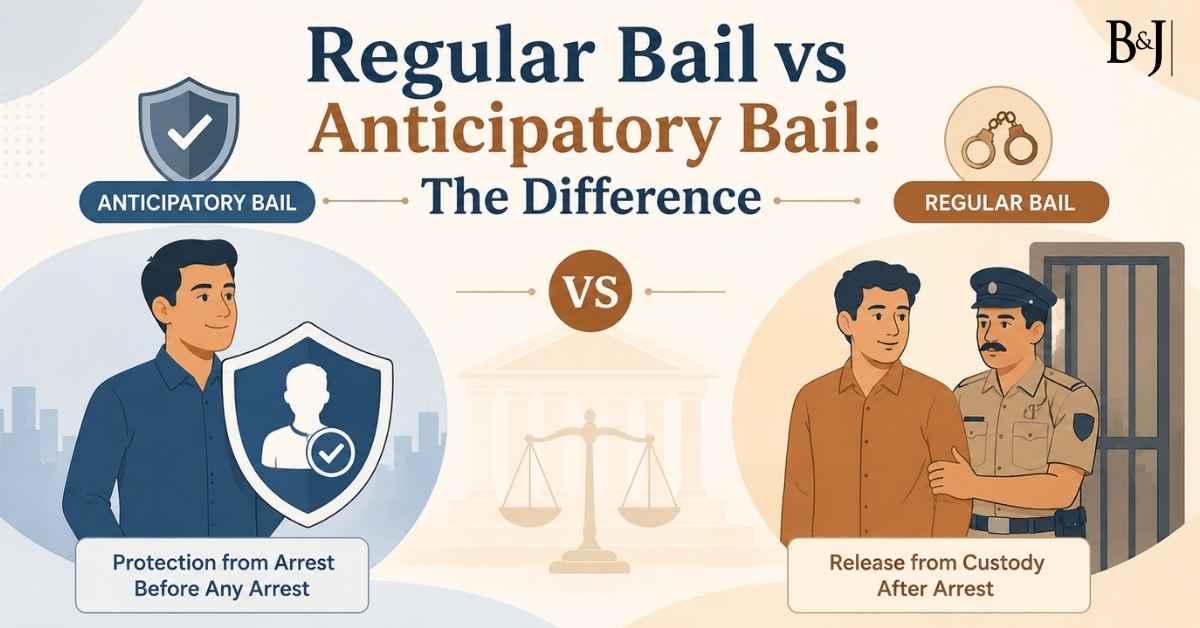
The availability of anticipatory bail under Section 438 CrPC provides another important safeguard for persons apprehending arrest in false cases. While courts have held that anticipatory bail should not be granted as a matter of routine in Section 498-A cases, they have also recognized that in appropriate cases, where the allegations appear prima facie to be false or motivated, anticipatory bail serves an important function in protecting innocent persons from custodial harassment.
Jurisdictional Issues in Section 498-A Cases
One recurring issue in Section 498-A litigation relates to territorial jurisdiction for filing complaints. The question often arises as to where an FIR can be lodged when the alleged acts of cruelty took place at one location, the complainant currently resides at another location, and the matrimonial home is situated at yet another place.
The general principle under the Code of Criminal Procedure is that a case should be investigated and tried by a court within whose jurisdiction the offense was committed. Section 177 CrPC embodies this principle of territorial jurisdiction. However, in matrimonial dispute cases, courts have had to address situations where FIRs are filed in jurisdictions far removed from where the alleged offenses occurred.
The Supreme Court has held that while a woman has the right to file a complaint from wherever she is, courts must be vigilant about cases where FIRs are deliberately filed in distant jurisdictions with the apparent motive of harassing the accused by forcing them to travel long distances for investigation and trial. High Courts exercising powers under Section 482 CrPC have quashed FIRs filed in inappropriate jurisdictions where it appears that the choice of forum was motivated by considerations of harassment rather than convenience.
This issue has become particularly acute in cases involving couples who work and reside abroad but whose families continue to live in India. Courts have noted a troubling trend where one spouse files multiple cases in India against the other spouse and their family members, even though the marital discord arose primarily in a foreign country. Such cases raise complex questions about appropriate jurisdiction and the proper scope of Indian criminal law.
The International Dimension: Cross-Border Matrimonial Disputes
An emerging challenge in Section 498-A litigation involves cases where Indian couples live and work abroad but file complaints in India against their spouses and in-laws. This phenomenon has created unique legal and practical challenges for the criminal justice system.
These cases often involve situations where the couple married in India, moved abroad for work or settlement, experienced marital discord in the foreign country, and then one spouse returns to India and files multiple cases including under Section 498-A against the other spouse and their family members who reside in India. The allegations often relate to incidents that allegedly occurred both in India before the couple moved abroad and in the foreign country during the marriage.
Courts have noted that such cases create several problems. First, they raise questions about the territorial jurisdiction of Indian courts over alleged offenses committed in foreign countries. While Indian penal law does have extra-territorial application in certain circumstances, particularly regarding Indian citizens, the practical difficulties of investigating and proving allegations about events that occurred abroad are considerable.
Second, these cases often result in situations where the accused persons, particularly elderly parents of one spouse who have never left India, are subjected to criminal proceedings based on allegations about events in foreign countries where they were never present. Courts have expressed concern that such proceedings may constitute an abuse of process.
Third, there is often a mismatch between the remedies sought and the forum chosen. If the essential matrimonial dispute relates to events in a foreign country and both spouses reside or work abroad, it may be more appropriate for such disputes to be resolved in the foreign country rather than through criminal proceedings in India.
High Courts, while exercising powers under Section 482 CrPC, have begun to examine such cases with greater scrutiny, particularly where it appears that criminal proceedings in India are being used primarily as leverage in matrimonial disputes that have little real connection with India.
Evidentiary Challenges in Section 498-A Prosecutions
The successful prosecution of Section 498-A cases presents significant evidentiary challenges. The offense typically involves acts of cruelty that occur within the private sphere of the matrimonial home, often without independent witnesses. This creates a situation where cases frequently depend on the testimony of the complainant, with little independent corroboration.
Courts have held that while the testimony of the complainant alone can be sufficient to prove the offense if it is credible and reliable, there must be some material to show that the testimony is trustworthy. Factors that courts consider in assessing credibility include the consistency of the allegations, whether the allegations are specific or vague, whether there are any contemporaneous complaints or medical records, and whether the complainant’s conduct is consistent with someone who has suffered cruelty.
The requirement that allegations be specific is particularly important. Courts have repeatedly held that vague and general allegations of “cruelty” or “harassment” without specific details of what acts were done, when they occurred, and who was responsible are insufficient to sustain a conviction. The complainant must provide reasonably clear details about the alleged acts of cruelty, the persons who committed them, and the circumstances in which they occurred.
Another evidentiary issue relates to the explanation of delay in filing complaints. Courts have noted that there is often a significant gap between the alleged acts of cruelty and the filing of the FIR. While some delay is understandable given the emotional and social pressures that may prevent a woman from immediately reporting domestic violence, an inordinate delay without reasonable explanation raises questions about the genuineness of the allegations.
The burden of explaining delay lies on the complainant. Courts have held that where there is a delay of several months or years between the last alleged act of cruelty and the filing of the FIR, and the complainant fails to provide a convincing explanation for the delay, it may indicate that the complaint is an afterthought, possibly motivated by subsequent developments in the matrimonial dispute.
Balancing Protection with Prevention of Misuse
The challenge facing courts and policymakers is to maintain Section 498-A as an effective tool for protecting women from genuine domestic violence while preventing its misuse in matrimonial disputes. This requires a multi-faceted approach addressing different stages of the criminal justice process.
At the legislative level, there have been suggestions for amending the provision to make it compoundable, meaning that the parties could settle the case with the permission of the court. Currently, Section 498-A offenses are non-compoundable, meaning that even if the parties reconcile, the criminal case cannot be formally withdrawn without the court’s permission, and the court has limited discretion to permit compounding. Making the offense compoundable could facilitate reconciliation in cases where the parties wish to resolve their differences, while still allowing prosecution to continue in cases of genuine cruelty where the victim is unwilling to settle.
However, this suggestion has been controversial, with women’s rights groups arguing that making the offense compoundable could pressure victims to compromise even in cases of serious abuse. They contend that the existing framework, which allows courts to permit compounding in appropriate cases while maintaining prosecution in serious cases, strikes the right balance.
At the procedural level, the Arnesh Kumar guidelines represent an important step in preventing automatic arrests in all Section 498-A cases. However, the effectiveness of these guidelines depends on their proper implementation by police officers and monitoring by magistrates. There is a need for better training of police personnel and magistrates about the proper application of these guidelines.
The role of mediation and counseling in matrimonial disputes has also gained recognition. Family courts and matrimonial courts are increasingly referring cases to mediation centers where trained mediators attempt to facilitate reconciliation or at least amicable resolution of disputes. While criminal cases cannot be formally mediated, the resolution of underlying matrimonial disputes through mediation can sometimes lead to withdrawal of criminal complaints or parties seeking to compound offenses where legally permissible.
Conclusion
Section 498-A of the Indian Penal Code represents a crucial legal protection for married women against cruelty and harassment in their matrimonial homes. The provision was enacted in response to a real and pressing social problem, and it continues to serve an important protective function for victims of domestic violence. However, concerns about its misuse in matrimonial disputes are not without foundation, as recognized by various judicial pronouncements.
The challenge lies in maintaining the protective purpose of the provision while preventing its abuse. The guidelines laid down in Arnesh Kumar v. State of Bihar, the inherent powers of High Courts under Section 482 CrPC, and the development of various procedural safeguards represent judicial attempts to strike this balance. These mechanisms provide avenues for protecting innocent persons from harassment through false allegations while ensuring that genuine victims of domestic violence have access to justice.
Going forward, the focus must be on proper implementation of existing safeguards, better training of police and judicial officers, promotion of mediation and counseling in matrimonial disputes, and continued judicial vigilance in examining complaints to distinguish between genuine cases of cruelty and attempts to misuse the provision for extraneous purposes. Only through such a balanced approach can Section 498-A fulfill its intended purpose of protecting women from cruelty without becoming an instrument of harassment in matrimonial conflicts.
The observations made by various High Courts, including the Madhya Pradesh High Court, serve as important reminders that while the law must protect the vulnerable, it must also guard against its own misuse. The criminal justice system must remain sensitive to both the plight of women facing genuine domestic violence and the potential for false accusations to destroy innocent lives. This dual responsibility requires careful, case-by-case analysis and a commitment to justice that transcends rigid application of legal provisions.
References
[1] India Code: Indian Penal Code, 1860 – Section 498-A. Available at: https://www.indiacode.nic.in/show-data?actid=AC_CEN_5_23_00037_186045_1523266765688&orderno=562
[2] Arnesh Kumar v. State of Bihar, (2014) 8 SCC 273.
[3] Devgan, R. “IPC Section 498A – Husband or relative of husband of a woman subjecting her to cruelty.” Available at: https://devgan.in/ipc/section/498A/
[4] Wikipedia. “Arnesh Kumar Guidelines.” Available at: https://en.wikipedia.org/wiki/Arnesh_Kumar_Guidelines
[5] Drishti Judiciary. “Arnesh Kumar v. State of Bihar (2014) 8 SCC 273.” Available at: https://www.drishtijudiciary.com/landmark-judgement/code-of-criminal-procedure/arnesh-kumar-v-state-of-bihar-2014-8-scc-273
[6] LiveLaw. “Strictly Follow Arnesh Kumar Guidelines On Arrest: Supreme Court Directs High Courts & DGPs To Ensure Compliance.” Available at: https://www.livelaw.in/top-stories/supreme-court-arnesh-kumar-guidelines-arrest-section-498a-high-court-director-general-of-police-notifications-234044
[7] iPleaders. “Arnesh Kumar vs. State of Bihar (2014).” Available at: https://blog.ipleaders.in/arnesh-kumar-vs-state-of-bihar-2014/
[8] Lawbhoomi. “Arnesh Kumar vs State of Bihar [Arnesh Kumar Guidelines].” Available at: https://lawbhoomi.com/arnesh-kumar-vs-state-of-bihar/
[9] Legal Service India. “Arnesh Kumar V State Of Bihar (2014) 8 SCC 273: Landmark Ruling On Misuse Of Section 498-A Of The Indian Penal Code.” Available at: https://www.legalserviceindia.com/legal/article-6196-arnesh-kumar-v-state-of-bihar-2014-8-scc-273-landmark-ruling-on-misuse-of-section-498-a-of-the-indian-penal-code.html