Whatsapp

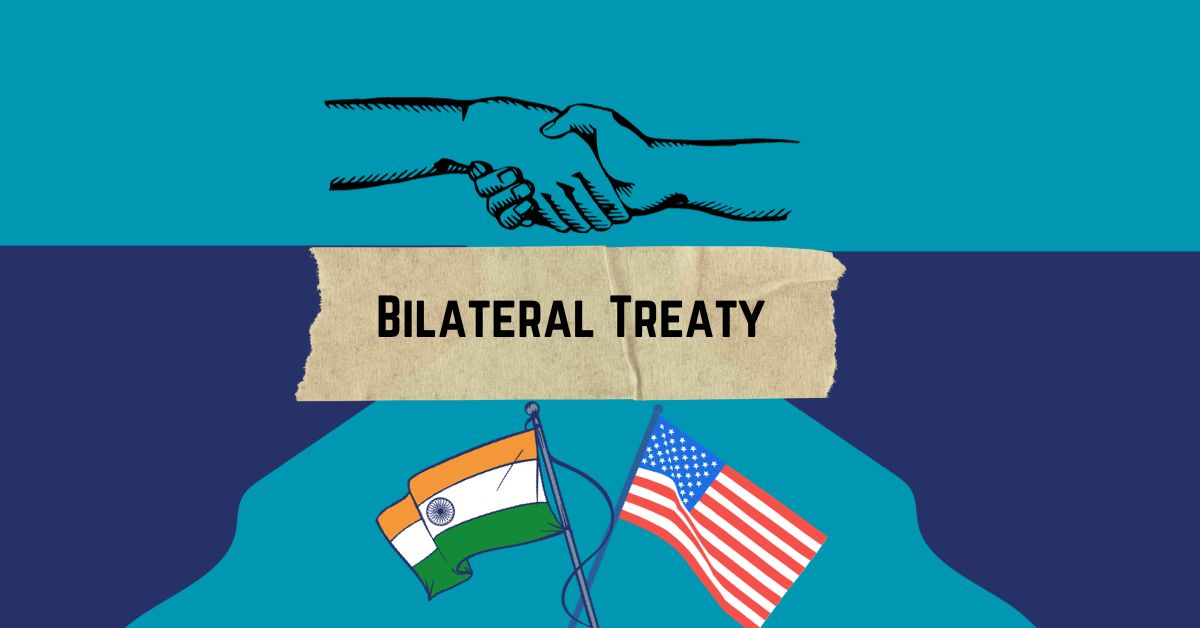
Bilateral Treaty Framework for Managing Separatism: Legal Challenges in India-US Strategic Partnership
Introduction
The contemporary landscape of international relations faces increasingly complex challenges when Separatism movements operating from foreign territories threaten sovereign nations. Recent incidents involving individuals associated with the Khalistan movement have brought these challenges into sharp focus, particularly affecting diplomatic relations between India and its strategic partners, the United States and Canada. The killing of Hardeep Singh Nijjar in Vancouver, Canada, in June 2023, and the alleged assassination plot against Gurpatwant Singh Pannun in the United States have created unprecedented diplomatic tensions [1].
These incidents underscore the delicate balance between protecting legitimate political expression and preventing activities that threaten national sovereignty. While peaceful protest and advocacy remain fundamental democratic rights, violent separatism poses significant threats to the territorial integrity and security of nations. The question becomes particularly complex when strategic partners like the United States and Canada provide sanctuary to individuals whom India considers threats to its national security.
The current diplomatic crisis highlights the urgent need for a robust legal framework that can address cross-border separatist activities while maintaining the principles of democratic governance and human rights protection. This analysis examines the existing legal provisions, diplomatic challenges, and the potential for developing bilateral treaty mechanisms to address these complex issues.
Understanding Separatism in Contemporary Context
Separatism, defined as the advocacy for political independence or autonomy of a particular group based on ethnic, religious, or regional identity, manifests differently across various democratic societies. While some separatist movements pursue their objectives through peaceful political processes, others resort to violence and terrorism, creating significant security challenges for affected nations.
The United States has historically dealt with various separatist movements, including the Texas Republic movement, Hawaiian sovereignty movement, and various white nationalist separatist groups. American law enforcement agencies have consistently taken action against groups that employ violent methods or threaten federal authority. The Federal Bureau of Investigation actively monitors and prosecutes individuals involved in domestic terrorism related to separatist activities.
Canada has experienced notable Separatism movements, particularly the Quebec sovereignty movement, which has pursued independence through democratic processes including referendums. However, Canadian authorities have also taken firm action against groups that employ violent methods, including the October Crisis of 1970 when the Canadian government invoked the War Measures Act to deal with the Front de libération du Québec (FLQ).
India’s post-independence experience with separatist movements includes various regional insurgencies, the Khalistan movement in Punjab during the 1980s and 1990s, Naxalite-Maoist insurgencies, and separatist movements in northeastern states. The Indian government has consistently responded through a combination of political dialogue, development initiatives, and law enforcement action when movements turn violent.
The Khalistan Movement: A Case Study in Contemporary Separatism
The Khalistan movement, advocating for an independent Sikh state carved out of Indian territory, gained prominence during the 1980s and has experienced a resurgence in recent years, particularly among diaspora communities. The movement’s contemporary manifestation has been significantly influenced by organizations operating from foreign territories, particularly Canada and the United States.
Hardeep Singh Nijjar, who was fatally shot outside a Sikh temple in Surrey, British Columbia, on June 18, 2023, served as president of the Guru Nanak Sikh Gurdwara and was a key organizer for overseas voting on Sikh independence [2]. Nijjar was actively involved with Sikhs for Justice (SFJ), an organization that has organized unofficial referendums among Sikh diaspora communities worldwide. His assassination has been attributed to four Indian nationals who were subsequently arrested by Canadian authorities in May 2024 [3].
The incident created a major diplomatic crisis when Canadian Prime Minister Justin Trudeau alleged potential Indian government involvement in the killing, leading to the expulsion of diplomats from both countries [4]. These allegations have been categorically denied by the Indian government, which has called such claims “absurd and motivated.”
The Pannun Assassination Plot: US-India Relations Under Strain
The case of Gurpatwant Singh Pannun, a dual US-Canadian citizen and immigration lawyer, presents another dimension of the challenge. Pannun, who heads the Sikhs for Justice organization, has been actively advocating for Khalistan and organizing what he terms “Khalistan referendums” among Sikh communities globally. In November 2023, US authorities revealed they had thwarted a plot to assassinate Pannun on American soil [5].
The US Department of Justice unsealed an indictment in October 2024 against Vikash Yadav, described as a former Indian intelligence officer, accusing him of directing a murder-for-hire plot against Pannun [6]. The indictment alleges that Yadav recruited Nikhil Gupta to orchestrate the assassination, offering to secure the dismissal of criminal charges against Gupta in India in exchange for his cooperation [7].
This case has placed significant strain on US-India relations, with American officials pushing India to prosecute those responsible for the alleged plot. The incident occurred during a period of strengthening US-India strategic partnership, including cooperation through the Quadrilateral Security Dialogue (Quad) and various defense and technology agreements.
Indian Legal Framework for Addressing Separatism
India’s legal system provides robust mechanisms for dealing with separatism activities, particularly those involving violence or threats to national security. The primary legislative tools include provisions within the Indian Penal Code and specialized anti-terrorism legislation.
Section 124A of the Indian Penal Code: Sedition
Section 124A of the Indian Penal Code, enacted in 1870 during British colonial rule, defines sedition as any action that “brings or attempts to bring into hatred or contempt, or excites or attempts to excite disaffection towards the Government established by law in India” [8]. The provision covers words, spoken or written, signs, or visible representations that cause or attempt to cause such disaffection.
The section prescribes punishment ranging from three years imprisonment to life imprisonment, with or without fine. However, the law has been subject to significant judicial interpretation and controversy. The Supreme Court of India, in Kedarnath Singh v. State of Bihar (1962), established that sedition charges could only be sustained when there is incitement to violence or tendency to create public disorder.
Despite ongoing debates about its colonial origins and potential for misuse, Section 124A remains part of Indian criminal law. The Supreme Court has referred challenges to its constitutionality to a larger bench for comprehensive review.
The Unlawful Activities (Prevention) Act
The Unlawful Activities (Prevention) Act (UAPA), originally enacted in 1967 and significantly amended in 2004, 2008, and 2019, provides more comprehensive tools for addressing terrorism and unlawful activities. The Act allows for the designation of associations or groups as “unlawful” if they engage in activities that include “the cession of a part of the territory of India or the secession of a part of the territory of India from the Union.”
Under UAPA provisions, advocacy for separatism that involves or promotes violence, or creates conditions conducive to terrorism, can result in severe penalties including life imprisonment. The Act also provides for asset forfeiture, extended detention periods for investigation, and special court procedures for trying such cases.
Legal Frameworks in the United States and Canada
United States Anti-Terrorism and Separatism Laws
The United States maintains comprehensive legal frameworks for addressing domestic terrorism and separatist violence. The Patriot Act of 2001 and subsequent legislation provide federal authorities with extensive powers to investigate and prosecute individuals involved in terrorism-related activities, including those motivated by separatist ideologies.
The Federal Bureau of Investigation defines domestic terrorism as activities that involve violent, criminal acts committed by individuals or groups to intimidate or coerce a government or civilian population in furtherance of political or social objectives. This definition encompasses violent separatist activities, regardless of their underlying political motivations.
American courts have consistently upheld the government’s authority to prosecute individuals who advocate violence against federal authority or engage in activities designed to overthrow or undermine the constitutional system. However, the First Amendment provides strong protection for non-violent political expression, including advocacy for political independence or autonomy.
Canadian Approaches to Separatism and Terrorism
Canada’s legal framework for addressing separatism balances respect for peaceful political expression with firm action against violence. The Criminal Code of Canada includes provisions against terrorist activities, defined as acts committed for political, religious, or ideological purposes that intimidate the public or compel government action.
The Canadian Security Intelligence Service Act provides authorities with powers to investigate threats to national security, including activities that may undermine the security of Canada through foreign-influenced violence or espionage. However, Canada has historically been more permissive of separatist political activities, as evidenced by its accommodation of Quebec sovereignty movements and various diaspora political activities.
Diplomatic Challenges and Sovereignty Concerns
The cases of Nijjar and Pannun highlight fundamental questions about sovereignty and the responsibilities of host nations toward their strategic partners. When individuals residing in foreign countries advocate for the violent dismemberment of a partner nation’s territory, it creates complex diplomatic and legal challenges.
From India’s perspective, allowing individuals to operate from foreign soil while advocating violence against Indian territory constitutes a violation of the host country’s obligations under international law. The principle of sovereignty dictates that nations should not permit their territory to be used as a base for activities designed to destabilize or harm other nations, particularly strategic partners.
The United States and Canada, however, must balance their obligations to India against their constitutional commitments to protect freedom of expression and provide due process to individuals within their territories. Both countries maintain that they cannot restrict peaceful political expression, even when such expression is objectionable to foreign governments.
The Political Offense Exception in Extradition Law
Traditional extradition law includes the “political offense exception,” which prevents the extradition of individuals whose alleged crimes are primarily political in nature. This principle, developed during the 19th century, was designed to protect political refugees from persecution by authoritarian governments.
The political offense exception presents significant challenges in contemporary anti-terrorism efforts. Courts must determine whether particular acts constitute ordinary crimes or political offenses, often leading to lengthy legal proceedings and diplomatic tensions. The exception has been narrowed in recent decades through bilateral treaties that exclude certain violent acts from political offense protection.
Several countries have modified their extradition treaties to exclude terrorism-related offenses from political offense protection. The US-UK Extradition Treaty of 2003, for example, eliminates the political offense exception for serious violent crimes, including terrorism. Similar provisions exist in various other bilateral agreements.
International Legal Precedents and Treaty Development
The international community has developed various mechanisms for addressing cross-border terrorism and separatist violence. The United Nations Convention for the Suppression of the Financing of Terrorism and related instruments provide frameworks for cooperation in combating terrorism financing, including support for separatist violence.
Regional organizations have also developed specialized treaties addressing terrorism and separatism. The Shanghai Cooperation Organization, for example, has established mechanisms for cooperation against terrorism, separatism, and extremism among member states.
The European Union has developed extensive legal frameworks for addressing terrorism and has established common definitions and cooperation mechanisms that override traditional political offense exceptions. The European Arrest Warrant system allows for rapid extradition of terrorism suspects without traditional political offense protections.
Challenges in Implementing Enhanced Cooperation
Developing effective bilateral mechanisms for addressing separatist violence faces several significant challenges. Differences in legal systems, constitutional protections, and political cultures create obstacles to seamless cooperation.
The American legal system’s strong First Amendment protections make it difficult to restrict speech that does not constitute direct incitement to imminent violence. Canadian Charter protections similarly constrain government action against political expression. Both countries must navigate complex legal standards when determining whether particular activities cross the line from protected speech to criminal conduct.
Human rights considerations also complicate cooperation efforts. Both the United States and Canada maintain strong commitments to protecting individuals from torture, unfair trials, and political persecution. These commitments may conflict with partner countries’ requests for assistance in cases involving alleged separatists.
The potential for misuse of anti-separatism measures for suppressing legitimate political dissent creates additional concerns. Democratic societies must ensure that cooperation mechanisms cannot be exploited to silence political opposition or ethnic minorities pursuing legitimate grievances through peaceful means.
Toward Enhanced Bilateral Cooperation
Despite these challenges, there are opportunities for developing more effective cooperation mechanisms while maintaining democratic principles and human rights protections. Several approaches could enhance bilateral cooperation without compromising fundamental democratic values.
Enhanced information sharing between intelligence and law enforcement agencies could improve the ability to identify and disrupt genuine terrorist plots while respecting legal protections for political expression. Regular consultations between legal experts from both countries could help develop common understanding of legal standards and procedures.
Developing specific criteria for distinguishing between protected political expression and criminal terrorism could provide clearer guidance for law enforcement and judicial authorities. Such criteria might focus on direct incitement to violence, material support for terrorist activities, and coordination with organizations engaged in violence.
Creating joint task forces or liaison mechanisms could facilitate real-time cooperation in investigating and prosecuting cross-border terrorism cases. Such mechanisms have proven effective in other contexts, including cooperation against organized crime and drug trafficking.
Recommendations for Treaty Framework Development
A comprehensive bilateral treaty framework addressing separatist terrorism should include several key elements. First, clear definitions of prohibited conduct that distinguish between protected political expression and criminal terrorism are essential. Such definitions should focus on advocacy of violence, material support for terrorist activities, and direct incitement to imminent lawless action.
Second, streamlined extradition procedures for terrorism-related offenses could reduce delays and diplomatic tensions. Such procedures might include expedited review processes, limited political offense exceptions, and enhanced judicial cooperation mechanisms.
Third, enhanced information sharing protocols could improve the ability to identify and disrupt terrorist networks while protecting legitimate intelligence sources and methods. Such protocols should include safeguards against misuse and clear limitations on information usage.
Fourth, joint training and capacity building programs could enhance the effectiveness of cooperation while ensuring consistent application of human rights standards. Such programs could include exchanges of legal experts, joint training exercises, and technical assistance programs.
Conclusion
The challenges posed by cross-border separatist activities require sophisticated legal and diplomatic responses that balance legitimate security concerns with fundamental democratic principles. The cases of Hardeep Singh Nijjar and Gurpatwant Singh Pannun demonstrate the complex nature of these challenges and the urgent need for enhanced cooperation mechanisms.
While traditional approaches to extradition and law enforcement cooperation face significant limitations in addressing contemporary terrorism threats, there are opportunities for developing more effective mechanisms through bilateral treaty development. Such treaties must carefully balance the legitimate security interests of partner nations with fundamental commitments to human rights and democratic governance.
Success in addressing these challenges will require sustained diplomatic engagement, legal innovation, and political commitment from all parties involved. The stakes are high: failure to develop effective cooperation mechanisms could undermine strategic partnerships and create opportunities for terrorist exploitation, while overly broad approaches could threaten the democratic values that these partnerships are designed to protect.
The path forward requires recognition that protecting democratic societies from terrorism while preserving fundamental freedoms is among the most complex challenges facing contemporary international relations. Meeting this challenge successfully will strengthen both bilateral partnerships and global security while upholding the principles that define democratic civilization.
References
[1] France 24, “How a Sikh leader’s murder in Canada led to a diplomatic crisis with India,” October 15, 2024. https://www.france24.com/en/asia-pacific/20241015-how-a-sikh-leader-s-murder-in-canada-led-to-a-diplomatic-crisis-with-india
[2] CBC News, “Police make arrests in killing of B.C. Sikh activist Hardeep Singh Nijjar,” May 4, 2024. https://www.cbc.ca/news/politics/nijjar-killing-arrests-made-1.7192807
[3] NPR, “Canadian police arrest 3 in slaying of Sikh separatist Hardeep Singh Nijjar,” May 4, 2024. https://www.npr.org/2024/05/04/1249178635/sikh-separatist-leader-nijjar-death-canada-arrests
[4] PBS News, “How a killing at a Sikh temple led to Canada and India expelling each other’s diplomats,” October 15, 2024. https://www.pbs.org/newshour/world/how-a-killing-at-a-sikh-temple-led-to-canada-and-india-expelling-each-others-diplomats
[5] Al Jazeera, “Did India order the murder of a US Sikh separatist? Here’s what we know,” November 30, 2023. https://www.aljazeera.com/news/2023/11/30/did-india-order-the-murder-of-a-us-sikh-separatist-heres-what-we-know
[6] Al Jazeera, “Who is Vikash Yadav, Indian agent accused by US in Sikh assassination plot?” October 19, 2024. https://www.aljazeera.com/news/2024/10/18/who-is-vikash-yadav-indian-agent-accused-by-us-in-sikh-assassination-plot
[7] NPR, “Justice Department charges former Indian intelligence official in assassination plot,” October 18, 2024. https://www.npr.org/2024/10/17/g-s1-28835/justice-department-charges-sikh-separatist-assassination-plot
[8] Wikipedia, “Section 124A of the Indian Penal Code,” accessed September 25, 2025. https://en.wikipedia.org/wiki/Section_124A_of_the_Indian_Penal_Code
[9] Indian Kanoon, “Section 124A in The Indian Penal Code, 1860.” https://indiankanoon.org/doc/1641007/

Advocate Chandni Joshi
Advocate at Gujarat High Court and CoFounder at Bhatt and Joshi Associates. As Co-Founder, Chandni leads firm operations and client advisory functions. Her dual background in technology and law enables her to handle corporate, cyber, and IP matters with precision and insight.