 Whatsapp

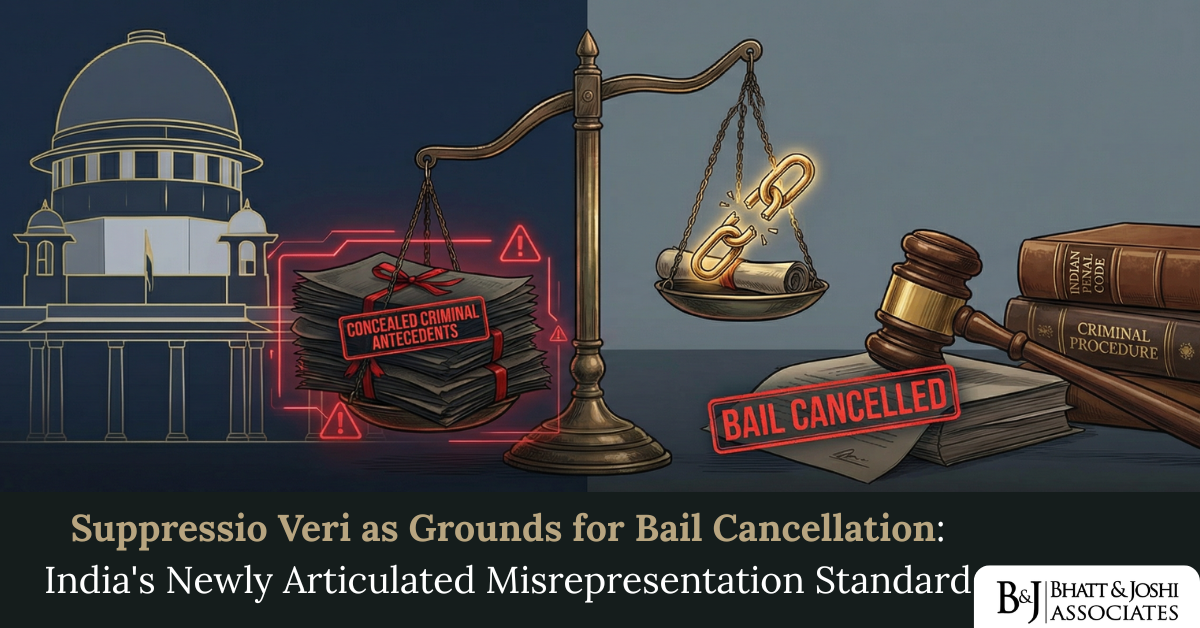
Suppressio Veri as Grounds for Bail Cancellation: India’s Newly Articulated Misrepresentation Standard
Introduction Personal liberty stands as a cornerstone of Indian constitutional jurisprudence, yet this fundamental right must be balanced against the equally vital imperative of en
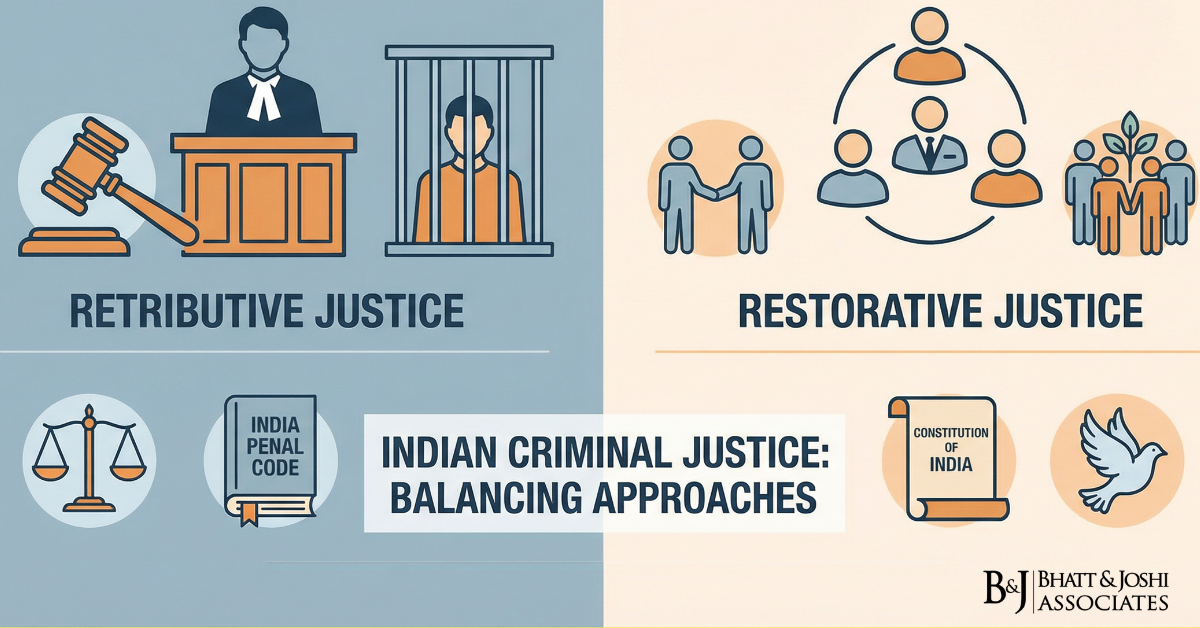
Restorative Justice vs Retributive Justice in Indian Criminal Law
Introduction The Indian criminal justice system has historically operated predominantly on the foundations of retributive justice, where punishment and deterrence form the core obj
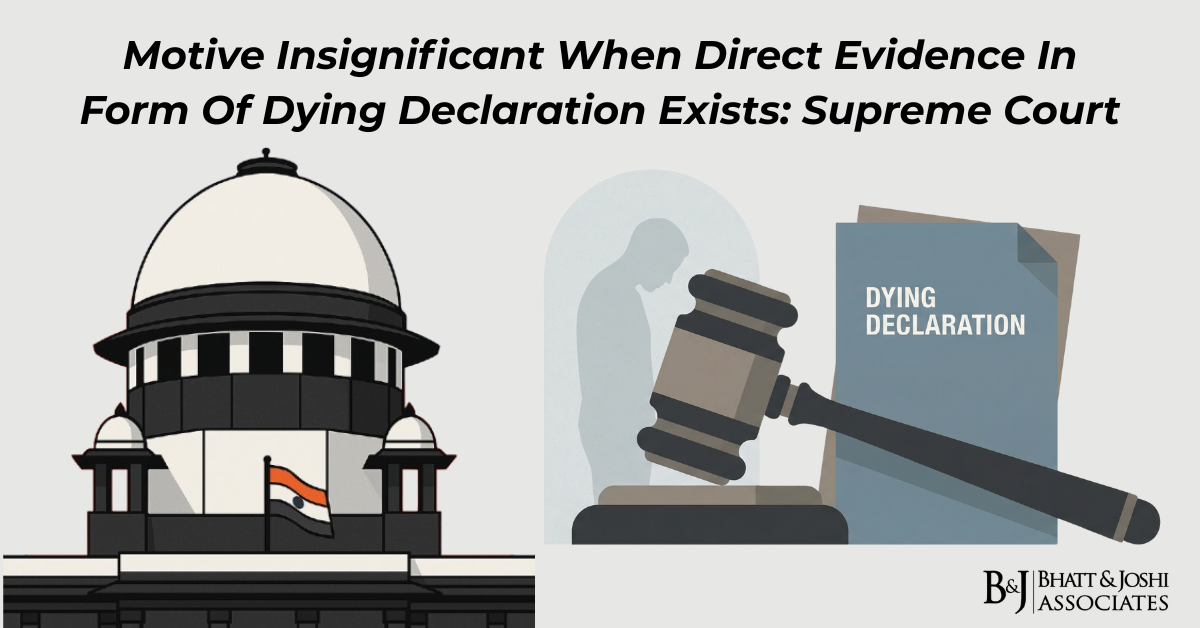
Motive Insignificant When Direct Evidence In Form Of Dying Declaration Exists: Supreme Court
Introduction The Indian judicial system places extraordinary evidentiary weight on dying declarations, recognizing them as one of the most reliable forms of testimony in criminal p
Section 311 CrPC: Judicious Exercise of Power to Summon Witnesses in Criminal Proceedings
Introduction The criminal justice system in India is fundamentally built upon the discovery of truth and delivery of justice through fair and transparent proceedings. Within this f
Safeguarding Liberty: The Right to Bail in Financial Crime Cases and the Role of Evidentiary Standards
Introduction The Indian legal framework enshrines the fundamental right to life and liberty under Article 21 of the Constitution, which serves as the bedrock for the principle that
The Grant of Bail to Teesta Setalvad: A Legal Examination
The legal trajectory of the Teesta Setalvad bail case stands as a landmark in Indian criminal jurisprudence, particularly regarding the discretionary powers of the judiciary
Retraction of Statements and Confessions in Indian Law: A Comprehensive Legal Analysis
Introduction The jurisprudence surrounding retraction of statements and confessions represents one of the most intricate aspects of Indian criminal law and evidence. Rooted in the
Framing of Charges in India: A Detailed Legal Analysis
Introduction The framing of charges represents a fundamental cornerstone in India’s criminal justice system, serving as the bridge between investigation and trial. This proce
