 Whatsapp

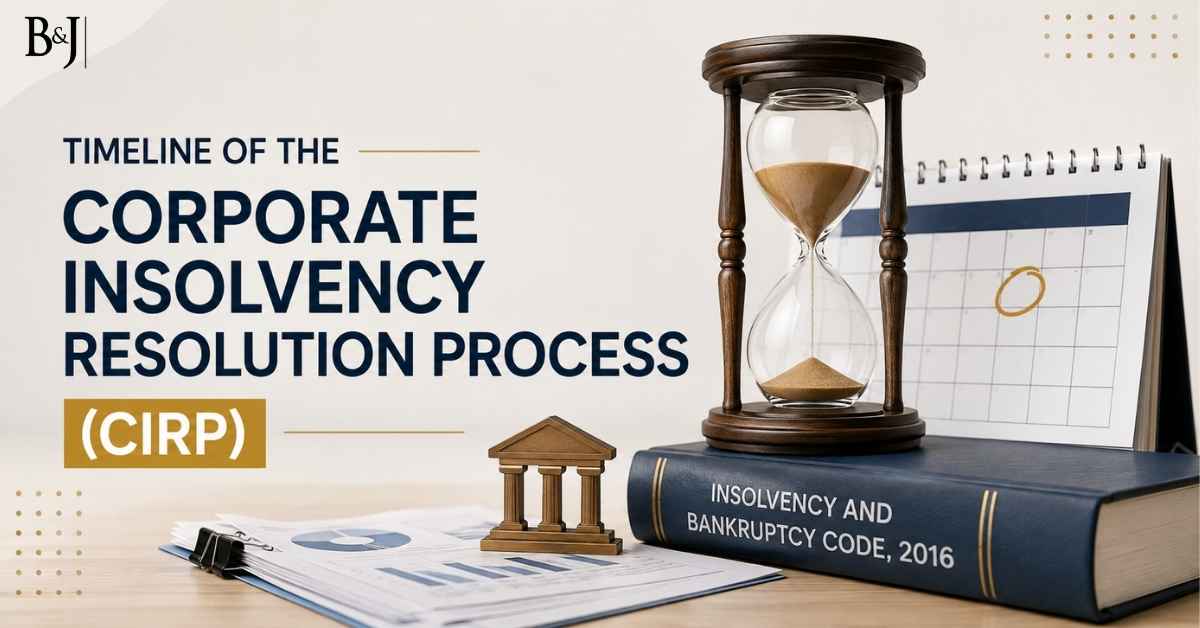
Timeline of the Corporate Insolvency Resolution Process (CIRP)
The CIRP timeline under the Insolvency and Bankruptcy Code, 2016 (IBC) is intended to keep insolvency proceedings moving without unnecessary delay. When a company remains in distre
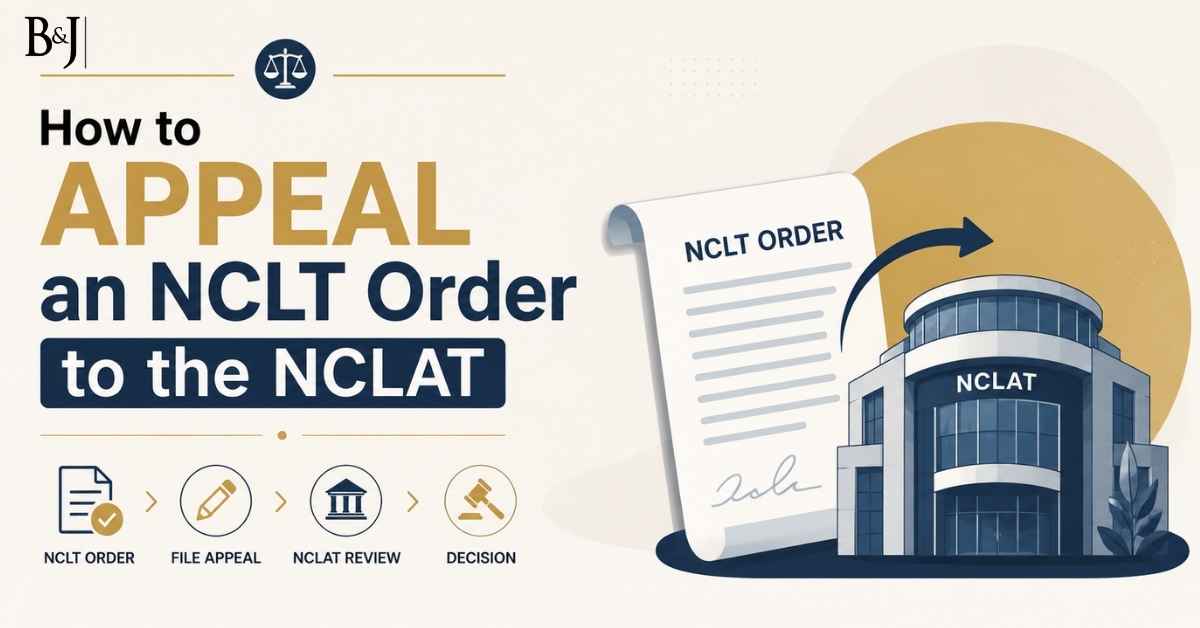
How to appeal an NCLT order to the NCLAT
An order of the National Company Law Tribunal can change control of a company overnight. An admission order under the Insolvency and Bankruptcy Code, 2016 triggers a moratorium and
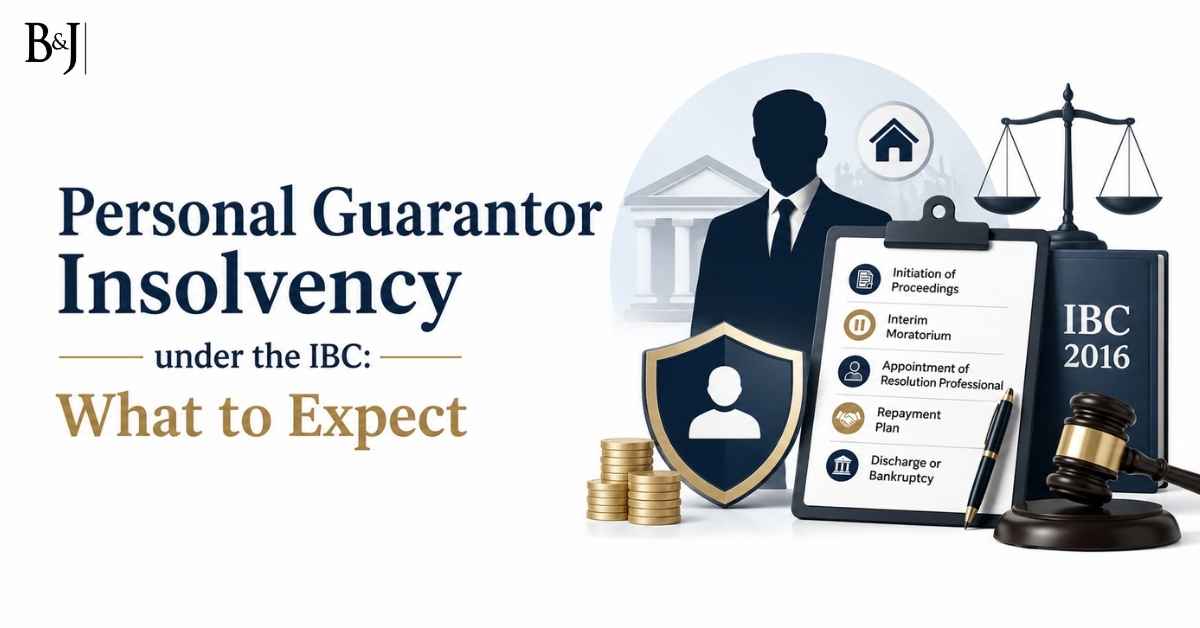
Personal Guarantor Insolvency under the IBC: What to Expect
Promoters and directors often provide personal guarantees for company loans to secure financing from creditors. Earlier, if the company defaulted, creditors generally had to pursue
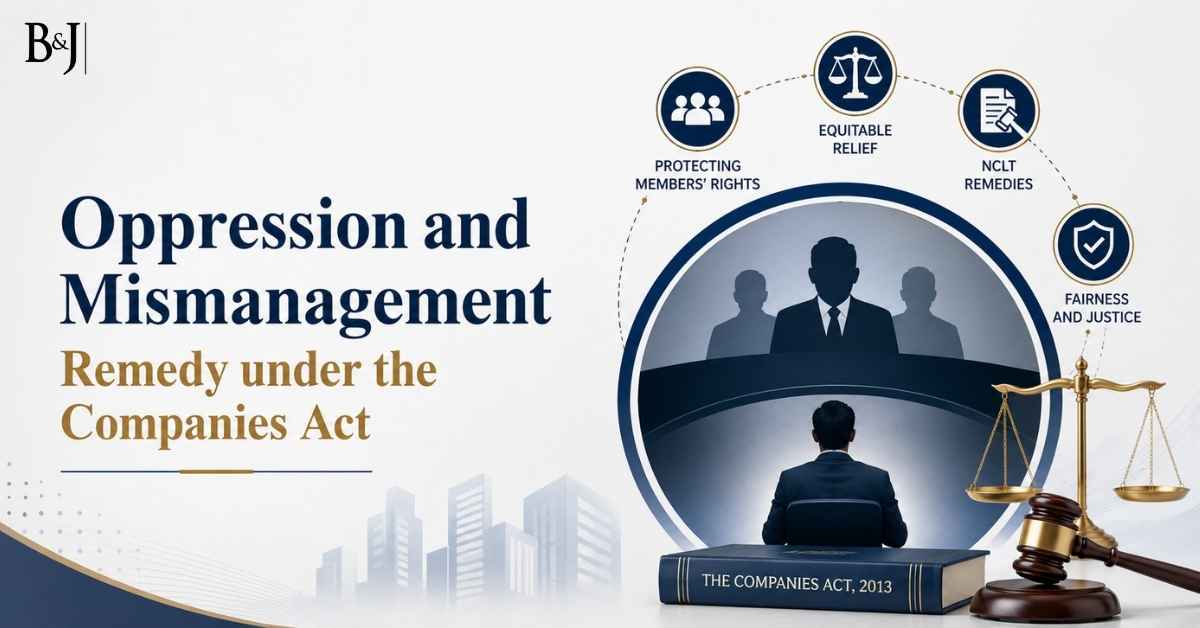
Oppression and Mismanagement Remedy under the Companies Act
Company law generally leaves the running of a company to the majority. Directors are appointed by majority vote, resolutions are carried by majority, and a shareholder who disagree
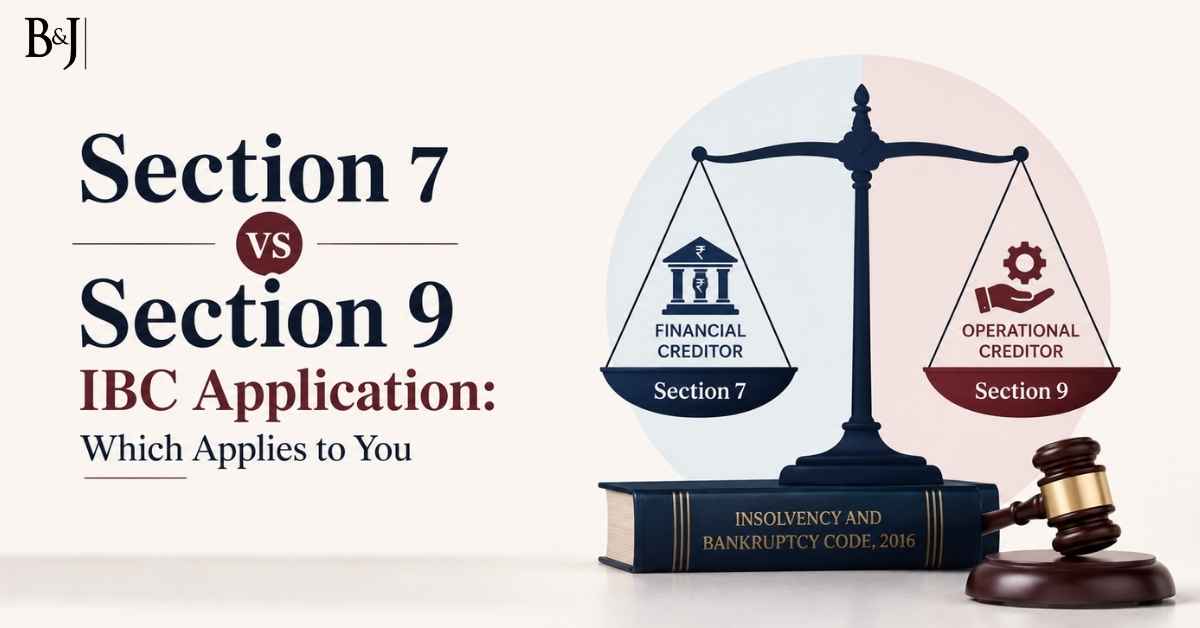
Section 7 vs Section 9 IBC application: which applies to you
When a creditor is owed money by a defaulting company, the Insolvency and Bankruptcy Code, 2016 raises a threshold question: which provision applies? Section 7 is available to a fi

How to file a CIRP application under IBC (Sections 7, 9 and 10)
The Corporate Insolvency Resolution Process (CIRP) under the Insolvency and Bankruptcy Code, 2016 (IBC) is the legal process through which an insolvent or defaulting company underg
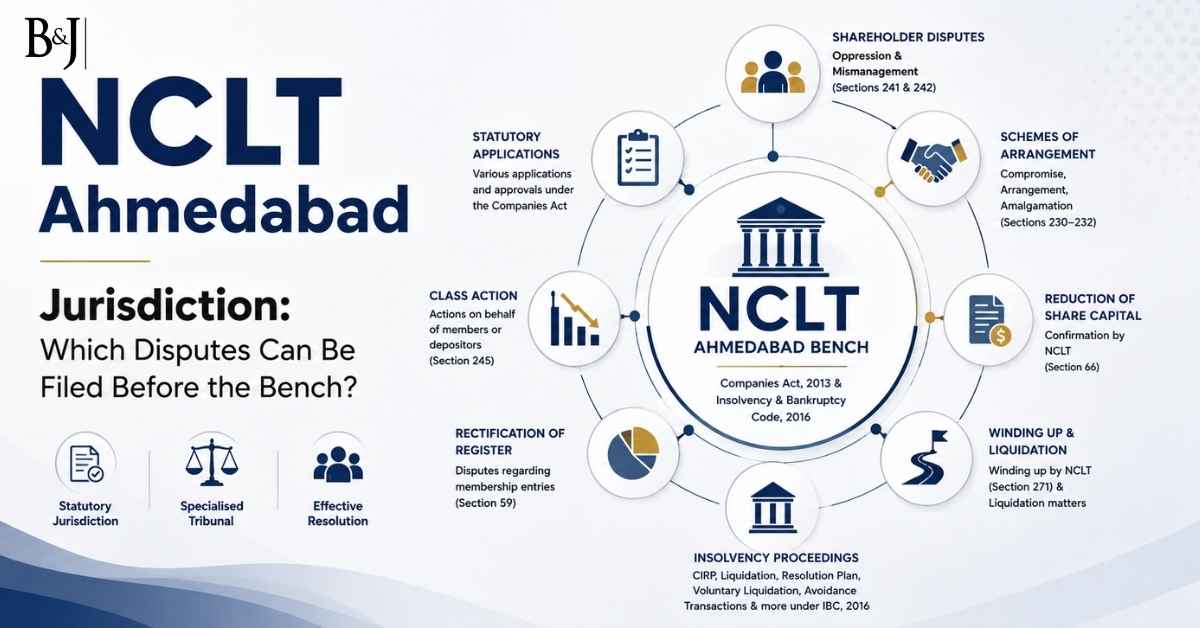
NCLT Ahmedabad Jurisdiction: Which Disputes Can Be Filed Before the Bench?
The National Company Law Tribunal (NCLT) is a key forum for corporate disputes in India, particularly matters arising under the Companies Act, 2013 and the Insolvency and Bankruptc
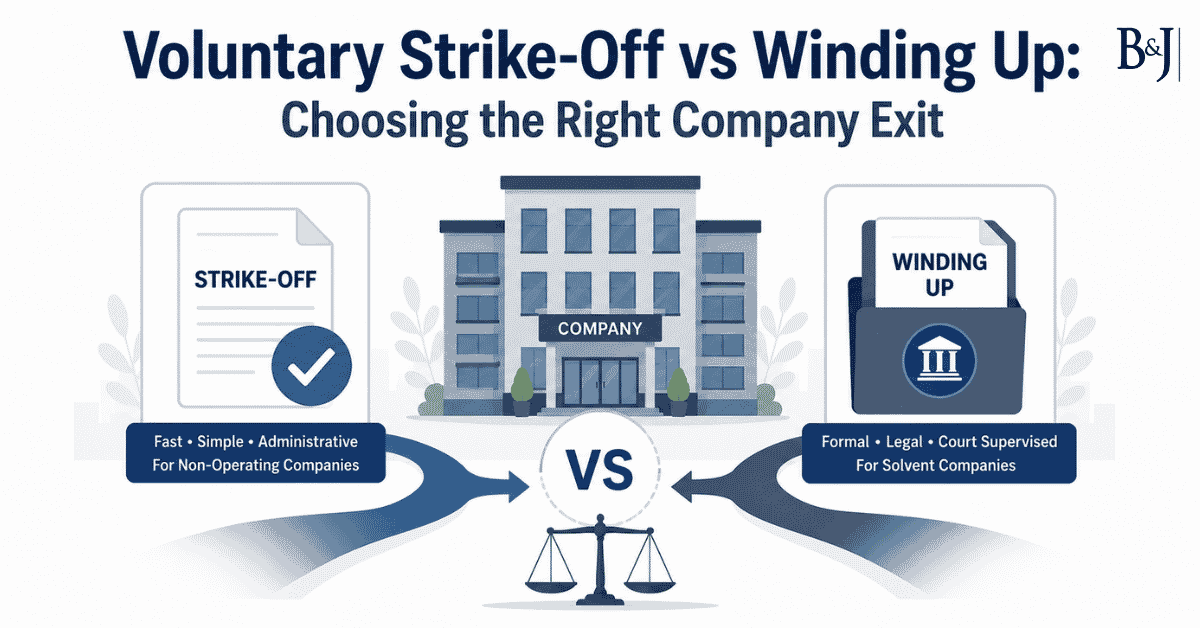
Voluntary Strike-Off vs Winding Up: Choosing the Right Company Exit
Executive Summary The decision between voluntary strike off vs winding up company exit routes under Indian corporate law is one of the most consequential choices available to the d
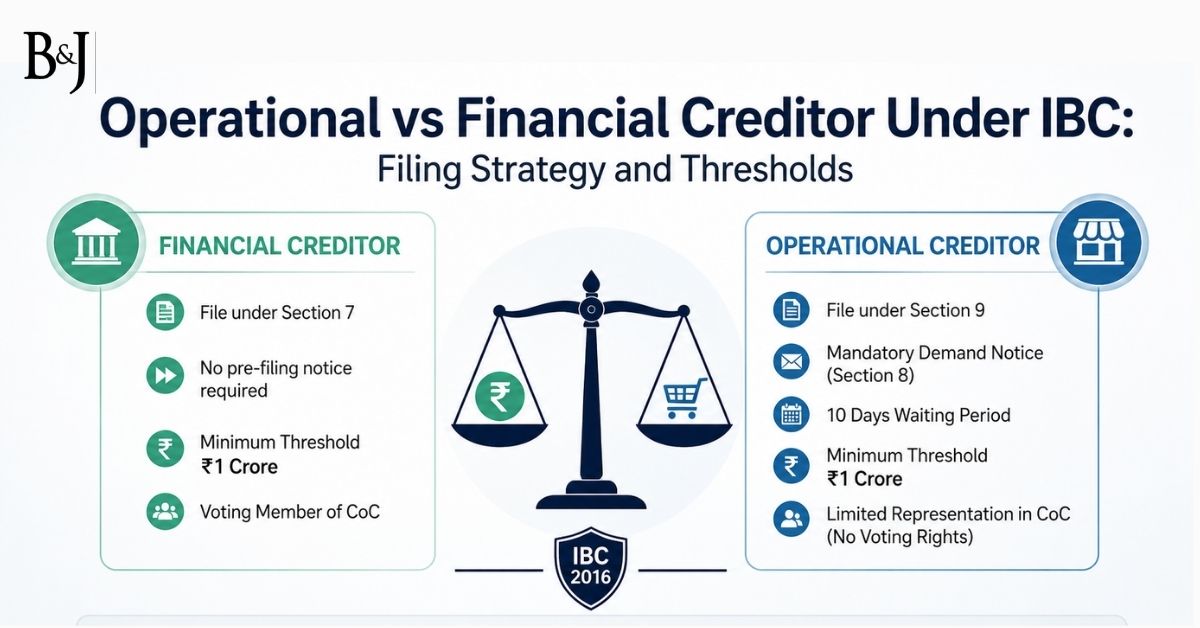
Operational vs Financial Creditor Under IBC: Filing Strategy and Thresholds
Executive Summary The distinction between an operational creditor and a financial creditor under the Insolvency and Bankruptcy Code, 2016 (“IBC” or “the Code̶
Section 241 and 242 of the Companies Act, 2013: Oppression & Mismanagement — Who Has Standing to File? (2026 NCLAT Update)
Introduction: The Statutory Remedy Against Majority Rule Corporate democracy functions on the fundamental principle of majority rule. However, when the majority abuses its power to
